Is Pinnawala Elephant Orphanage Worth Visiting? The Honest 2026 Answer
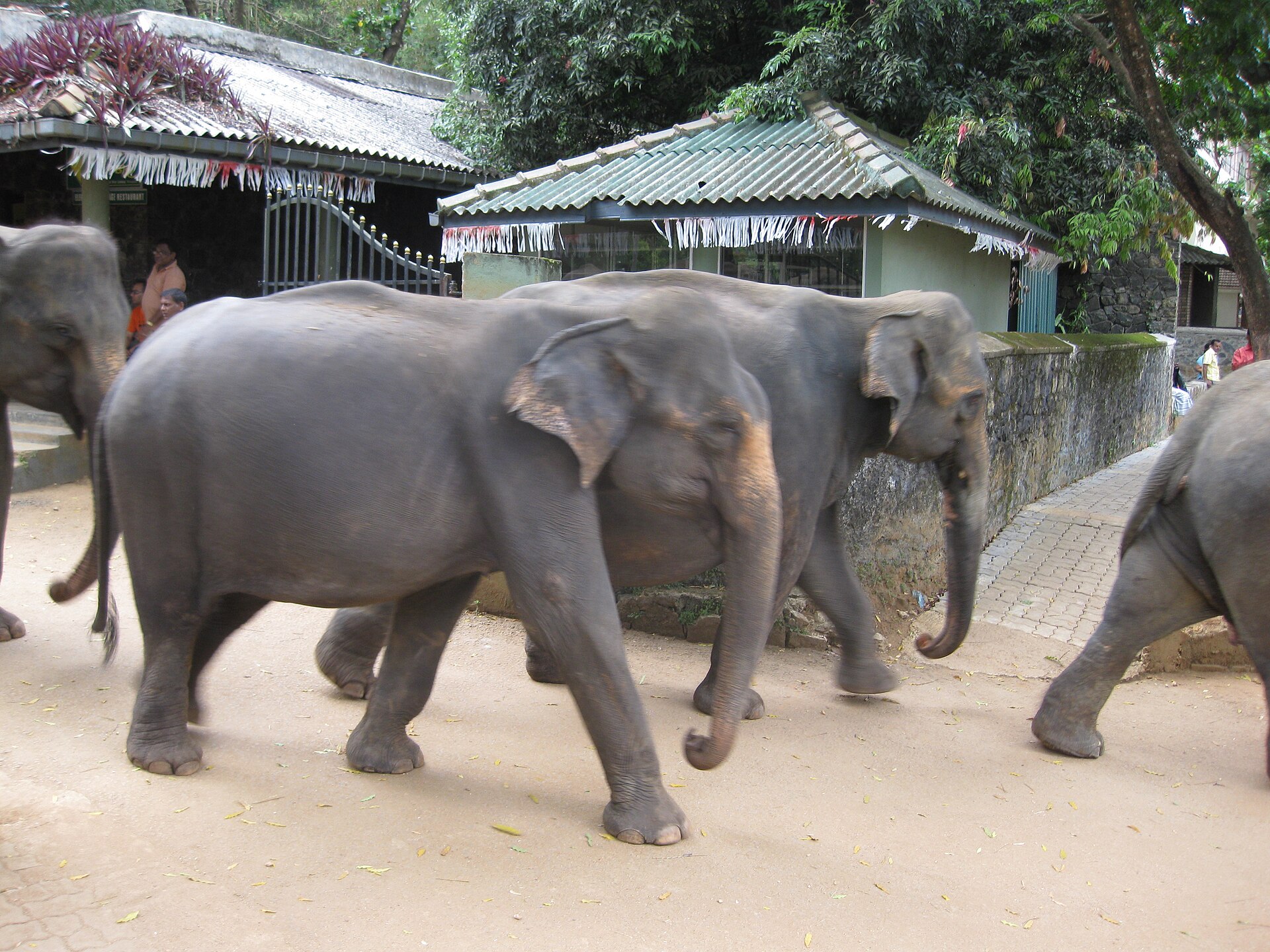
Yes — if you time it right, arrive at one of the feeding or bathing windows, and treat it as the half-day it is, not the day-long highlight it is sometimes sold as. Across thousands of guest reviews, the travellers who loved Pinnawala almost always mention the same moment: the whole herd walking calmly down to the river while traffic stops on the main road. The ones who hated it almost always made the same mistakes — arriving mid-afternoon between sessions, expecting a hands-on petting experience, or paying over the odds for a private side-show instead of the government-run orphanage itself.
Pinnawala sits about 92 kilometres from Colombo and 41 kilometres from Kandy, roughly in the middle of the island's main tourist loop. It is the world's oldest and one of the largest captive herds of Asian elephants, and it is a staple of the classic Sri Lanka route. But "famous" and "worth it" are different questions, and this guide uses real visitor experiences, entry prices and transport costs to answer both honestly for 2026.
Last updated: August 31, 2026.
The short answer
Pinnawala Elephant Orphanage is worth visiting for most travellers, especially families, if you go in the morning (roughly 9:00–12:00) or the early afternoon (1:15–4:00) to catch the bottle-feeding and river bath — the two experiences that make it special. It is not an interactive petting zoo, and it is not a safari where you see elephants in the wild. It is a shelter and breeding centre where orphaned and injured elephants are cared for, and where the daily routine — feeding and the famous walk to the river — is the attraction. For a first-time visitor to Sri Lanka who has never been close to an elephant, it is a memorable, genuinely impressive half-day. The short answer on value: the entry fee is modest, the experience is real, but it rewards planning and costs you a separate trip from the main city bases.
What's worth doing
The orphanage runs on a strict daily schedule, and the two moments worth planning around are the bottle-feeding sessions and the two river baths:
- The morning bottle-feeding (≈9:15am). The youngest orphans are bottle-fed by their mahouts, and this is the moment most reviewers single out as the emotional heart of the visit — especially for children. It is quick, so arrive a little before the scheduled time to get a front position.
- The river walk and bath (≈10:00am–12:00pm, and again 2:00pm–4:00pm). The full herd parades out of the compound, crosses the main road, and spends up to two hours bathing and playing in the river while onlookers watch from the banks. This is the Pinnawala experience everyone talks about — the elephants swim, spray water, and clearly enjoy the cool of the stream.
- The afternoon bottle-feeding (≈1:15pm). A second feeding round for the calves, worth catching if you arrive after lunch rather than in the morning.
- Watching the daily routine in the compound. Between sessions the elephants are fed, watered and cared for in the nursery and main paddocks. There is not a huge amount of "wandering around" to do — this is a working shelter, not a theme park — which is exactly why timing matters more than how long you stay.
- Pairing it with Kegalle's other stops. The orphanage works well combined with a tea factory visit or a spice garden along the same route, so you build a proper half-day rather than a single stop.
One honest note from the data: guests who went mid-session (for example arrived at 1:00pm and left by 2:30pm) were far more likely to describe the visit as underwhelming. Guests who built their day around the feeding and bathing windows rated it far higher. The orphanage itself is a modest, slightly dusty site — the magic is in the routine and the river, not in exhibits.
Getting around
Pinnawala is a village between Kegalle and Rambukkana, about 13 kilometres from Kegalle town, and it sits right on the main Colombo–Kandy road — which is both convenient and, at bath time, the source of the famous "traffic stop." Getting there depends on where you are based:
- From Colombo — a direct drive of about 1 hour 30 minutes to 1 hour 45 minutes. A private car with driver (or a taxi) costs roughly US$35–50 one-way. By bus, take a Colombo–Kandy bus and get off at the Pinnawala/Kegalle junction, then a short tuk-tuk to the gate.
- From Kandy — about 45 minutes to an hour, and the most common base for a day trip. A taxi runs roughly US$25–35 each way; a Kandy–Colombo bus will drop you at the nearby junction for a couple of dollars.
- From the airport/Negombo — about 2 hours, roughly US$45–60 for a private car. Because Pinnawala sits between the airport and the Cultural Triangle or Kandy, many travellers stop here as a natural pause en route rather than a dedicated round-trip.
- Tuk-tuk within the area — a short hop from the nearby hotels and junctions, a few hundred rupees.
What to avoid: do not schedule Pinnawala as a lunch-time stop on a long transfer and expect to see the good stuff. You want a window that covers either the 9:15 feeding plus 10 o'clock bath, or the 1:15 feeding plus 2 o'clock bath. A comfortable plan is to leave Kandy by 8:00am, do the morning session, and be back to Kandy by early afternoon — or combine it with a Kegalle tea stop to make a full half-day.
What to budget
Pinnawala is not a budget trap — the headline costs are transparent. Here is the honest 2026 breakdown, in US dollars, for the attraction and a realistic day around it:
- Entry fee (foreign adult) — around US$8 (roughly 2,500–2,800 LKR). Children's tickets are about half that. Sri Lankan residents pay a much lower local rate. This is a one-time entry covering the compound, feeding sessions and access to the river viewing banks.
- Transport — the single biggest cost, depending on your base. From Kandy expect US$50–70 for a round-trip private car; from Colombo US$70–100. If you are passing through en route to Kandy or the Cultural Triangle, the marginal cost drops to near zero and the value jumps.
- Optional extras — riverside vendors sell fruit to feed the older elephants and the mahouts sometimes allow closer contact for a tip. These are optional and unregulated; the review data is split on whether they add value, and the guidance below covers how to handle them.
- Meals — a simple lunch at a local restaurant near the orphanage runs US$3–8. There are small cafes and roadside eateries along the main road.
For one person doing a dedicated Kandy round-trip, expect a total of roughly US$60–80 including entry, transport and a meal. As a stop while driving between Colombo and Kandy, it costs almost nothing extra and is some of the best value wildlife-viewing on the island.
WATCH OUT FOR
These are the recurring complaints and traps from real visitor reviews, so you arrive with eyes open:
- The "orphanage vs private show" confusion. Several unofficial, private elephant attractions sit along the same road and are easily mistaken for the real thing. They charge more, keep far fewer elephants, and are a completely different experience. Always confirm you are entering the government-run Pinnawala Elephant Orphanage (run by the Department of National Zoological Gardens) — and buy your ticket at the official gate, not from a tout offering a "better experience."
- Timing is everything. Arrive between the scheduled sessions and you will see elephants resting in paddocks and little else — reviewers who did this described the visit as "not worth it." Plan your arrival around a feeding or bathing window, and give yourself two to three hours.
- Hands-on expectations. This is a shelter, not a petting zoo. Visitors do not ride the elephants here (that is not part of the experience), and the orphanage does not offer elephant rides. If riding a captive elephant is what you want, that is a different — and ethically complicated — request you should not make here. If you want an up-close encounter on ethical terms, the river bath is the closest you will responsibly get.
- Feeding and tipping creep. Fruit-for-feeding sellers and "tips" for mahouts can add up surprisingly fast, and the experience is inconsistent. Decide in advance what you are comfortable with; watching from the bank is free and, for many reviewers, the best view anyway.
- Crowds at peak times. Midday and weekends draw tour groups. The morning session, and the slightly less busy 1:15pm session, are the calmest windows.
GOOD TO KNOW
- Best time of year: Pinnawala runs year-round and is not weather-dependent like a safari. It is a genuinely reliable activity in any month, including the south-coast monsoon window when sea activities are off — which makes it a strong overland alternative.
- Which session to pick: The 9:00am–12:00pm morning window is the classic choice — cooler, the calves are feeding, and the herd is lively on the way to the river. If you are travelling from Kandy, leaving by 8:00am gets you there comfortably.
- Children love it, but set expectations: It is extremely popular with families, and rightly so — but tell kids beforehand that they will watch elephants from the bank rather than touch them. That avoids disappointment and keeps the visit calm.
- Combine it to make the trip pay: Because it is a half-day attraction at best, pair it with a nearby tea factory, spice garden or the atmospheric Rambukkana–Kandy mountain stretch. Routing it between Colombo and Kandy is the smartest way to fit it into a loop.
- Ethical angle: Unlike some elephant attractions, Pinnawala is a genuine rehabilitation and breeding programme for orphaned and injured elephants — no ploughing, no riding, no circus acts. That is a big part of why many review-driven travellers feel good about visiting.
WHERE TO STAY
Most travellers do Pinnawala as a day trip from Kandy or a stop en route, so the stays below are the best-reviewed bases that make the orphanage easy — named with the specific reason each earns its spot.
- Villa Pinnawala (Rambukkana) — the closest well-reviewed option to the orphanage itself, and reviewers repeatedly praise the peaceful garden setting and the ease of walking to the elephant sanctuary for the morning session, which means no early taxi scramble.
- Basilico Homestay (Kegalle) — a warm, family-run guesthouse cited again and again for genuinely helpful hosts who organise Pinnawala visits and local trips, making it a favourite for first-time travellers who want the logistics handled.
- Kegalle Rest House (Kegalle) — a newly renovated colonial-era bungalow, praised for affordable convenience right in town and that bit of old-island character; a dependable pick if you want to stay in Kegalle rather than route through Kandy.
- Kandy city stays — if you prefer a livelier base, Kandy's many well-reviewed hotels make the orphanage an easy 45-minute morning drive. Pair your Kandy hotel with a Pinnawala+tea-country day to get the best of both.
The bottom line
Pinnawala Elephant Orphanage is worth it — as long as you understand what it is: a real, working shelter where you watch the routine of feeding and river bathing, not a hands-on attraction. Time your visit for a feeding or bathing window, treat it as the modest half-day it is, and route it sensibly between Colombo and Kandy, and it becomes one of the most memorable wildlife mornings in the country — one you will remember long after the camera roll fills up. It pairs beautifully with the wider Sri Lanka loop, whether you are heading into the hill country or out toward the Cultural Triangle.
For the fuller picture, see our Kandy guide, the first-timer's route planner, and our national park comparison for where to see elephants in the wild.
Have a specific question about your Sri Lanka trip?
Ask BYC at byc.lk — Free and honest. Some links are affiliate links and never change our advice.
Ask BYC Your Question →