Is Sinharaja Rainforest Worth Visiting? An Honest Guide for 2026
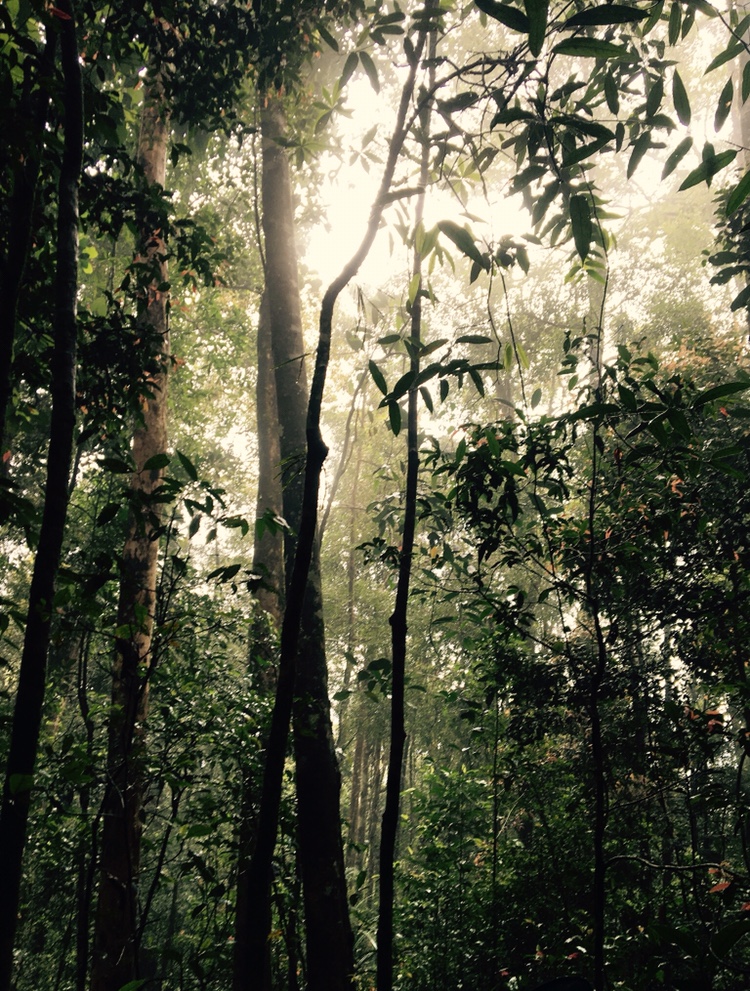
Sinharaja is Sri Lanka's last viable area of primary tropical rainforest. A UNESCO World Heritage site covering 8,864 hectares across the Ratnapura, Galle, and Kalutara districts, it is one of the most biodiverse places on the planet: over 60% of its trees and more than 50% of the country's endemic mammals, butterflies, and reptiles live here. The question travellers ask: is it actually worth the detour?
The short answer is yes — but only if you know what you are signing up for. Sinharaja is not a casual afternoon stop. It is a full-day commitment that involves a mandatory guided trek through a hot, humid, leech-rich environment where wildlife does not perform on cue. Travellers who love it describe it as one of the most immersive natural experiences of their lives. The ones who regret it went in without understanding what a primary rainforest actually feels like.
Yes, it is worth it — but for the right kind of traveller
Sinharaja is a biodiversity experience, not a sightseeing destination. There is no iconic landmark to photograph, no famous waterfall to swim under, no viewpoint where you look out over the canopy. What you get instead is a walk through a forest that has been standing since the age of Gondwanaland, with a density of 240,000 plants per hectare — the highest of any rainforest in Asia.
The experience is immersive. You walk under a closed canopy where sunlight filters through layers of vegetation. The air is thick with humidity and sound — bird calls, insect hum, dripping water. Your guide points out things you would never see on your own: a camouflaged green pit viper coiled on a branch, a giant squirrel leaping between trees, the nest of a Serendib scops owl.
The travellers who rated Sinharaja highest had one thing in common: they came with patience and curiosity. This is not a place for ticking boxes. It is a place for looking closely, listening carefully, and letting the forest reveal itself.
What’s worth doing
- The Mulawella Trail (Kudawa entrance) — A short, accessible hike that takes 2–3 hours and passes through some of the densest sections of the forest. The trail climbs gradually to a small hill with a canopy-level view. This is the most popular route for first-time visitors and half-day trips. The birdwatching along this trail is excellent — expect to see the Sri Lanka blue magpie, the red-faced malkoha, and the Layard’s parakeet if you have a sharp-eyed guide.
- The Sinhagala Trail (Kudawa entrance) — A demanding 8–10 kilometre hike taking 5–7 hours to the Sinhagala peak (743 metres). The trail cuts through primary forest past buttress-rooted Dipterocarpus trees, across streams, and up steep sections where you pull yourself up by tree roots. The summit offers a view over the forest canopy stretching toward the interior hills. Recommended for fit travellers who want the full Sinharaja experience.
- Waterfall circuit via Lankagama entrance — A guided walk that visits five waterfalls in the southern section of the reserve: Brahmana, Uran Watunu, Gal Oruwa, Thattu, and Duuvili. The trail is gentler than Sinhagala and the waterfalls are at their most impressive during and shortly after the rainy season. The guides at this entrance are known for their knowledge of the forest’s medicinal plants and will point out trees and leaves used in traditional Ayurvedic remedies.
- Night walk (with registered guide) — An optional evening trek starting after sunset that reveals a completely different side of the forest. Nocturnal species emerge: owls, frogs that glow under torchlight, civet cats, and the endemic Sri Lankan crescent frog. The night walk is genuinely thrilling — the forest sounds change, the air cools, and the darkness makes every rustle feel significant. Extra fee applies (around 1,500–2,000 LKR per person).
- Birdwatching at dawn — Sinharaja is one of the best birdwatching locations in Asia, with 19 endemic bird species. The hour after sunrise is when mixed-species feeding flocks are most active. Birdwatchers consistently describe it as world-class. A good guide identifies birds by call alone and helps you spot species you would otherwise miss.
Getting around
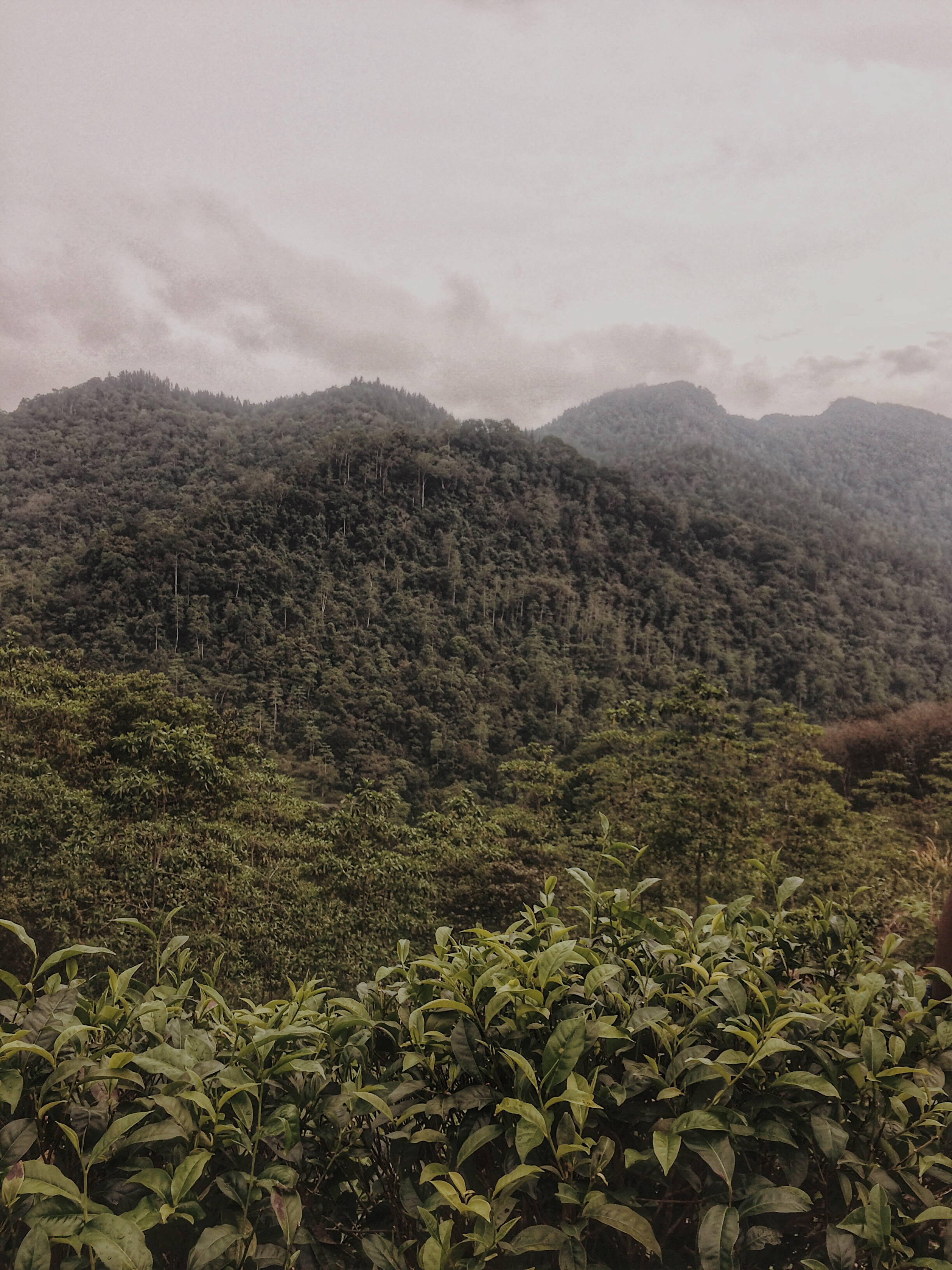
Sinharaja is accessed through four main entrances: Kudawa (north-west, the most popular), Pitadeniya/Deniyaya (south-east, good accommodation options), Weddagala (north-west, quieter), and Neluwa (south-west).
Colombo to Sinharaja: 3–4 hours by car via the Southern Expressway to the Rathnapura exit, then through Rakwana to Kudawa. A private car costs $40–60 one way. Public bus from Colombo Pettah to Rakwana (2.5 hours, $2–3), then tuk-tuk to the Kudawa entrance (30 minutes, 500–1,000 LKR). Budget an extra hour for bus travel.
Galle to Sinharaja: 1.5–2 hours by car via the Deniyaya entrance — the most convenient route from the south coast. A taxi costs $25–35 one way. By public transport, take a bus to Deniyaya (1.5 hours, $1–2), then tuk-tuk to the Pitadeniya entrance (400–600 LKR).
Inside the reserve: All movement requires a registered guide who leads you along marked trails. No additional transport is needed. Trails are well-defined but can be muddy and slippery, especially after rain. Sturdy footwear with good grip is non-negotiable.
What to avoid: Do not visit Sinharaja without a guide booked in advance. The Forest Department mandates guides for all visitors. Showing up without one means waiting or being turned away during peak hours. And avoid open sandals or fashion sneakers — the trails are wet, leeches are everywhere, and proper footwear makes the difference between an enjoyable hike and a miserable one.
What to budget
Sinharaja is not an expensive destination, but the costs add up differently than a beach stay because of the mandatory guide fees and transport distance.
- Budget day-tripper from south coast: $35–50/person. Transport from Galle or Matara area $25–35 shared, entry fee for foreigners 3,800 LKR ($11–13), mandatory guide fee 2,500 LKR per group of up to 6 people ($7–8/person if shared), food and water $3–5.
- Budget overnight: $40–60/person/day. Guesthouse near Deniyaya or Kudawa $10–20/night, meals at guesthouse $3–6 each, entry fee $11–13, guide fee shared $7–8/person, night walk $4–6 extra, transport to and from the reserve.
- Mid-range overnight: $65–100/person/day. Eco-lodge with AC and attached bathroom $30–50/night, full board $15–25/day, entry fee, private guide $7–8/person, private car transport.
- Organised tour from south coast: $80–120/person all-inclusive for a day trip. Includes hotel pickup, guide, entry fees, lunch, and drop-off. This is the most convenient option if you are staying in Galle, Unawatuna, Hikkaduwa, or Mirissa and only have one day.
Cash is essential in Sinharaja. The entrances have no ATMs, and card payment is not accepted for entry fees or guide payments. Bring enough rupees to cover entry fees, guide fees, meals, and transport round-trip. The nearest reliable ATMs are in Ratnapura (before the Kudawa entrance) or Deniyaya (before the Pitadeniya entrance).
WATCH OUT FOR
Leeches are part of the experience, not a bug. Sinharaja is famous for its leech population, especially during and after rain. They are harmless — they do not carry diseases — but they are persistent. Wear leech socks (available at the entrance for about 300 LKR), tuck trousers into socks, and apply salt spray to your shoes before starting. Guests who prepared for leeches barely noticed them. Guests who did not spent the whole hike distracted and uncomfortable.
The humidity is relentless. Sinharaja receives 3,500–5,000 mm of rain annually. Even in the dry season, humidity stays above 80%. You will sweat within minutes of starting the hike. Bring 2 litres of water per person, wear moisture-wicking clothing, and accept that you will be damp for most of the day.
Wildlife is not guaranteed. Sinharaja is not a zoo. You may walk for hours without seeing lorises, leopards, or elephants — they are present but elusive. Travellers with the best experiences focused on what they did see (birds, insects, endemic plants, the forest itself) rather than what they hoped to see. A good guide makes a significant difference, but even the best cannot make animals appear on command.
The drive is longer than it looks. The last section of road to both the Kudawa and Deniyaya entrances is narrow, winding, and sometimes poorly maintained. Map estimates are often 15–30 minutes shorter than reality. If you have a flight to catch in Colombo afterward, allow a generous buffer.
Food options are limited near the entrances. Kudawa and Deniyaya are small villages with basic shops. Meals are limited to whatever your guesthouse serves. The home-cooked Sri Lankan food is often excellent, but communicate dietary needs clearly when booking.
GOOD TO KNOW
The best time to visit Sinharaja is December to April, when trails are driest. May to September brings heavier rain, but the forest is at its greenest with fewer visitors. It rains year-round — at least 50 mm even in the driest month. A light rain jacket is essential regardless of when you visit.
Entry for foreign adults is 3,800 LKR ($11–13). Sri Lankan nationals pay 850 LKR. A registered guide costs 2,500 LKR per day for up to 6 people. The guide is mandatory — you cannot enter without one. The fee supports local employment and ensures visitors stay on designated trails.
The reserve opens at 6:30 AM and last entry is at 4:30 PM. Early morning (6:30–9:00 AM) is the best time for birdwatching and for seeing wildlife activity. Most guided treks are finished by early afternoon. If you stay overnight nearby, you can be at the entrance gate by opening time, which is recommended for birdwatchers.
Overnight stays inside the reserve are not permitted. All accommodation is in guesthouses and eco-lodges in the surrounding villages. Most properties near the entrances offer guided treks as part of their package and can arrange guides in advance.
Your phone will not have signal inside the forest. This is a feature, not a bug — Sinharaja is one of the few places in Sri Lanka where you are genuinely unreachable.
WHERE TO STAY
- Rainforest Mount Lodge (Pitadeniya/Deniyaya entrance) — A family-run guesthouse with bungalow-style rooms overlooking the forest. The home-cooked Sri Lankan meals prepared by the host’s mother are consistently praised as the highlight of the stay. The hosts organise guided treks, provide leech socks, and pack breakfast for early morning hikes.
- Evergreen Villa (Pitadeniya/Deniyaya entrance) — A welcoming guesthouse set in a garden with pitcher plants and endemic vegetation. The rooms are simple but clean, and the owner is known for personally showing guests around the garden and pointing out the local flora. The proximity to the Pitadeniya entrance makes it an excellent base for early morning starts.
- Hostel 114 (Mederipitiya, near Deniyaya) — A budget-friendly hostel that is walkable from the Mederipitiya bus stop and within easy reach of the Lankagama, Petedenia, and Wathugala entrances. The hospitality is consistently described as outstanding, and the staff help arrange multi-entrance guided tours covering the waterfall circuit. Best option for solo travellers on a budget.
- 360 Rainforest (near Pitadeniya entrance) — A mid-range eco-lodge with spacious rooms, an attached bathroom with hot water, and a terrace with views into the forest canopy. The rooms are well-maintained and clean, and the property offers full-board packages that include guided treks and meals. A solid mid-range choice for couples and families.
- Rainforest Ecolodge by Aitken Spence (near Kudawa entrance) — The premium option for Sinharaja, set within the buffer zone of the reserve. The lodge operates on sustainable principles, employing local guides and sourcing ingredients from surrounding villages. The guided night walks arranged through the lodge are considered among the best in the area. Expect higher standards of comfort and service, with prices to match.
The bottom line
Sinharaja is not for every traveller. But if the idea of walking through a primary rainforest that predates human presence on this island sounds compelling, and you are willing to deal with leeches, humidity, and a few hours of driving, Sinharaja will reward you in a way that no beach or temple can. It is not the easiest day of your trip. It might be the most memorable.
Plan your Sinharaja trip with BYC at byc.lk — Free and honest. Some links are affiliate links and never change our advice.
Have a specific question about your Sri Lanka trip?
Ask BYC at byc.lk — Free and honest. Some links are affiliate links and never change our advice.
Ask BYC Your Question →