How to Find Sri Lankan-Owned Stays on the South Coast
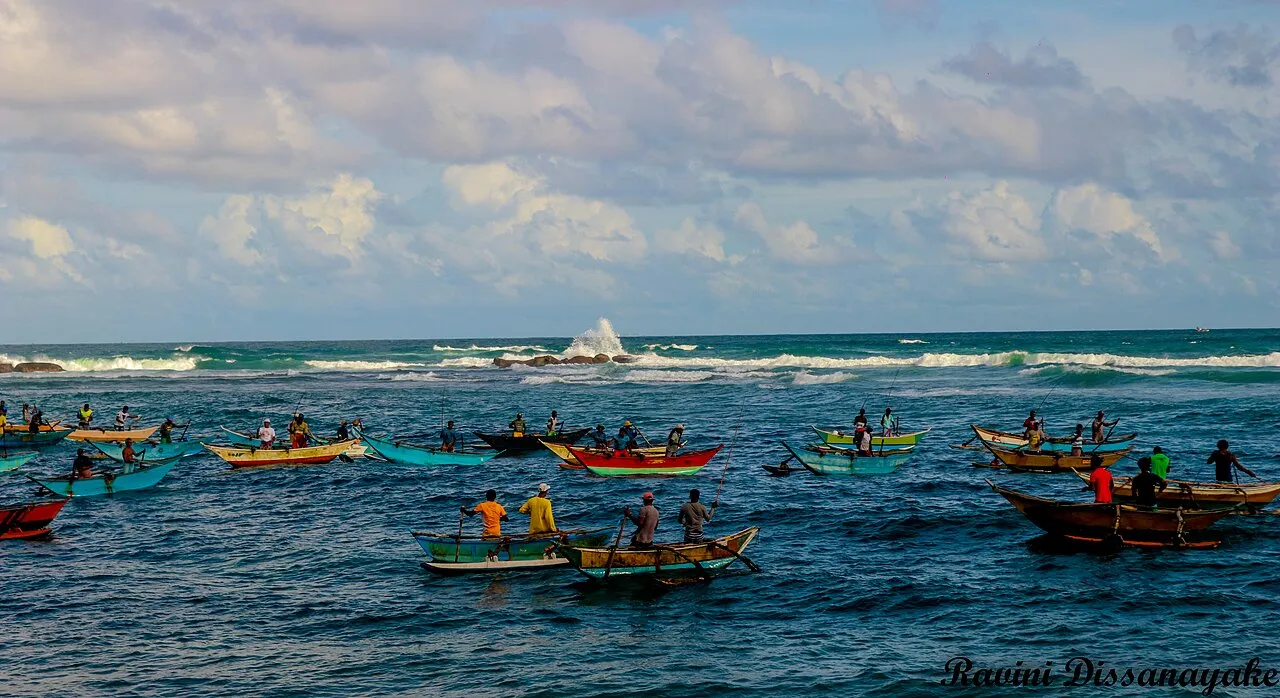
You have found the perfect stretch of Sri Lankan coastline — palm-shaded coves, a surf break you wake up to, and dinner served metres from the sand. Then the question arrives, usually after the first incredible home-cooked rice and curry: “Is any of this money actually staying in Sri Lanka?” It is a fair thing to wonder, because the south coast is filling up with foreign-owned villas, international hotel brands and beach clubs run by expats. The good news: with a little know-how you can choose stays that keep your rupees with the families who have lived here for generations — and in the process get a warmer, more personal trip than any big resort can offer. Here is the honest, review-backed guide to finding Sri Lankan-owned places to stay on the south coast, and why it matters more than you might think.
The short answer
Yes — you can absolutely stay at Sri Lankan-owned guesthouses, homestays and small hotels all along the south coast, from Mirissa and Weligama to Ahangama, Hiriketiya and Galle. The sweet spot is the family-run guesthouse or homestay a short walk from the beach — typically $20 to $45 a night for a private room with breakfast — where the owners cook for you, arrange your tuk-tuk, and introduce you to relatives who run the surf school down the road. The single biggest signal that a place is locally owned is simply the owner’s name on the booking page and reviews that mention the family by name. It is not about boycotting every well-known property — some of the island’s best-run hotels are larger and locally headquartered too — but it is about choosing, where you can, the places where your money circles back into a Sri Lankan household and the local economy. It is easy, affordable, and it changes the feel of the trip.
What's worth doing
- Choose a family-run guesthouse over a beachfront brand. The south coast’s guesthouses — houses converted into a handful of rooms, often run by the family who lives there — are the easiest way to put money directly into a Sri Lankan household. A private room with breakfast typically runs $20 to $45, and the trade-off for the walk to the beach is breakfast with the family, honest advice, and a welcome that no chain can replicate. In the reviews, guests keep returning to the same phrases: feels like staying with family, home-cooked food, the owners went out of their way.
- Eat where the locals eat. The quickest way to spread money through the local economy is food. Family-run rice-and-curry joints, kottu stalls and the small string-hopper shops charge $1.50 to $4 a meal and employ local families directly. The south coast is full of them — and the distinction between a place locals queue at and a place aimed at tourists is usually clear within a minute. Ask your guesthouse owner where they eat; that recommendation is worth more than any list.
- Book your surf lesson, boat trip and safari through locals. On the south coast, surf schools, whale-watching boats and day-trip operators are largely family businesses. Booking directly — rather than through a foreign-run aggregator — means a higher share of your money reaches the instructor, the boat crew and their families. A two-hour surf lesson runs about $15 to $25, a whale-watching trip $25 to $40, and a snorkelling outing $20 to $35; ask your guesthouse to arrange it and you often get the local rate.
- Shop the village, not the souvenir strip. Handloom textiles, spices, tea and handmade jewellery sold by the people who made them are both cheaper and more meaningful than knock-offs in tourist arcades. Hiriketiya’s small cafes and shops, Ahangama’s craft scene and the weekly produce markets around Galle are where your rupees do the most good — and where you come home with things no one else has.
- Visit the locally run cultural and wildlife experiences. From turtle conservation efforts on the beaches near Weligama to village tours inland through paddy fields and spice gardens, the south coast’s best experiences are often small, family-run operations. They are cheaper than the big tour-company versions, and the experience is far more personal — you meet the family, not a ticketing desk.
Getting around
The south coast runs along the A2 coastal highway, and almost everything is reachable by train, bus or tuk-tuk. The train from Colombo to Galle and beyond is the pleasant, scenic option — a second-class seat runs about $2 to $4, and the route hugs the coast. Buses are the cheapest and most frequent: short hops between towns like Mirissa, Weligama and Ahangama cost $0.50 to $1, and a longer run is rarely more than a few dollars. Tuk-tuks fill the gaps — negotiate around $0.50 to $1 per kilometre and agree on the price before you climb in. For a day of island-hopping or a run to a tucked-away beach, ask your guesthouse owner to arrange a trusted driver; the family rate is usually well below what you would be quoted on the street. The one thing to avoid is assuming you need a rental car for the whole trip — the corridor between Galle and Tangalle is compact, and between the train and tuk-tuks you will not miss a thing.
What to budget
Here is an honest daily breakdown for a south-coast trip in 2026 that keeps most of your money in local hands, in US dollars:
- Accommodation ($20–45). A family-run guesthouse room with breakfast averages $25 to $40 in Mirissa and Weligama, dropping to $20 to $30 in quieter spots like Ahangama and Hiriketiya. A locally owned boutique hotel runs $60 to $120. Homestays that include dinner are the best value of all.
- Food ($10–20). Eating at family-run local places, you will spend $1.50 to $4 a meal — typically $8 to $12 a day. Add one nicer local seafood dinner and you are at $15 to $20.
- Activities ($10–35). A surf lesson $15 to $25, whale-watching $25 to $40, a village or spice-garden tour $15 to $30. Plenty is nearly free: the beaches, the sunset viewpoints, walking the lagoons.
- Transport ($3–8). Trains and buses cover the corridor for a few dollars a day, plus the occasional tuk-tuk.
All in, a comfortable day supporting local businesses is $40 to $70 — less than you would spend at a foreign-run resort, with more of it staying in Sri Lankan pockets.
WATCH OUT FOR
A few patterns are worth knowing before you book. First, “locally owned” and “locally run” are not always the same thing — some guesthouses fly the local-flag in their marketing but are operated on behalf of foreign owners, so check who actually owns and runs the place rather than trusting a tagline. Second, a posted price is not always the final price: peak season (December to March) and weekends at popular spots like Mirissa push rates up sharply, and some properties add service charges or card fees at checkout, so confirm what is included when you book. Third, the most famous beachfront strips and sight entrances are where inflated rates appear — tuk-tuks, “last few rooms” pressure and pushes to pre-book expensive guided tours are all more common there; the family places a few streets back from the sand are usually more honest and better value. Finally, a handful of budget guesthouses hawk extras once you arrive — overpriced laundry, “recommended” restaurants with kickbacks, and paid add-ons that were not mentioned at booking. Be warm, be clear about what you want, and you will avoid the soft-sell entirely.
GOOD TO KNOW
Book your first night and any peak-season nights ahead, but leave flexibility elsewhere — the south coast rewards staying somewhere you love for an extra day. December, January and Easter weekend are the busiest and priciest; prices fall sharply outside those windows, and the sea is still warm. Breakfast is included in most family guesthouses and is one of the best parts of the stay — expect hoppers, string hoppers, fresh fruit and strong Ceylon tea. WiFi is generally reliable in the main towns but patchier in quieter coves, so download maps and tickets ahead if you rely on it. Carry small denominations of cash — many local guesthouses and stalls still prefer it, and card surcharges are common. If you are booking a whale-watching or surf session, ask your guesthouse owner to arrange it — you will usually get the local rate and a more personal experience than a walk-up booking at a tourist kiosk.
WHERE TO STAY
- Era Holiday House (Mirissa) — reviewers repeatedly single it out as a peaceful, family-run retreat with exceptional hospitality, the kind of place where guests say they extended their stay just to be looked after a little longer.
- Peacock Villa (Mirissa) — mentioned again and again by travellers who value a balance of comfort and location — easy access to both the beach and the main strip of restaurants, from a locally run property.
- The Secret Guesthouse (Mirissa) — comes up in reviews from travellers who prioritise quiet and privacy over being in the thick of the beach action, run by a host people keep returning to.
- Weligama Bay Hostel (Weligama) — the surf-town social anchor, praised for the friendly, locally run atmosphere and the easy walk to the beach and the famous breaks; a great base right where the surfing happens.
- D Canal House (Mirissa) — a repeat favourite that guests describe as a charming canalside property with a warm, hands-on host — the kind of characterful local stay that makes the south coast feel personal.
The bottom line
Supporting Sri Lankan-owned places on the south coast is not a compromise — it is usually the best-value, most memorable way to travel. You get warmer hospitality, better local food and lower prices, while your money helps sustain the families and small businesses that make this coastline special. Choose locally where you can, eat where the locals eat, and let the owners look after you — the experiences you will remember are exactly the ones you supported directly.
Have a specific question about your Sri Lanka trip?
Ask BYC at byc.lk — Free and honest. Some links are affiliate links and never change our advice.
Ask BYC Your Question →