Can You Surf Sri Lanka in September & October? The Honest Season Guide
September an
Booking a surfer room with a view? A word of warning from 50,518 reviews: rooms sold as sea view average 8.54/10, while mountain and hill-view rooms average 8.98 — the gap holds in every coastal destination. See the sea-view paradox data study before you pay the premium.
d October are the months when surf travellers start second-guessing their Sri Lanka plans. The east coast season is supposedly ending, the south coast season hasn’t officially begun, and the advice you hear ranges from “perfect” to “don’t bother.” The reality is simpler and far more useful: Sri Lanka never really goes flat — the waves just switch coasts, and knowing which coast to follow is the entire game.The short answer
Yes, you can absolutely surf in Sri Lanka in September and October — if you pick the right coast for the right fortnight. September is one of the best surf months of the year at Arugam Bay: consistent east-coast swell, warm water, and noticeably thinner crowds than July and August. October splits cleanly in two — the first two weeks still deliver at Arugam Bay, while the south coast (Weligama, Midigama, Ahangama) starts waking up from late October onward. Water temperature sits at 27–29°C all year, so no wetsuit is needed — just boardshorts and a rash guard.
What’s worth doing
- Arugam Bay Main Point. The island’s most famous right-hand point break stays consistent through September, with long rides that suit intermediate and experienced surfers. It works best around mid-tide, and September is the month when you get peak-season wave quality without peak-season lineups — early birds still get the cleanest sets, but the crowd pressure of July and August is gone.
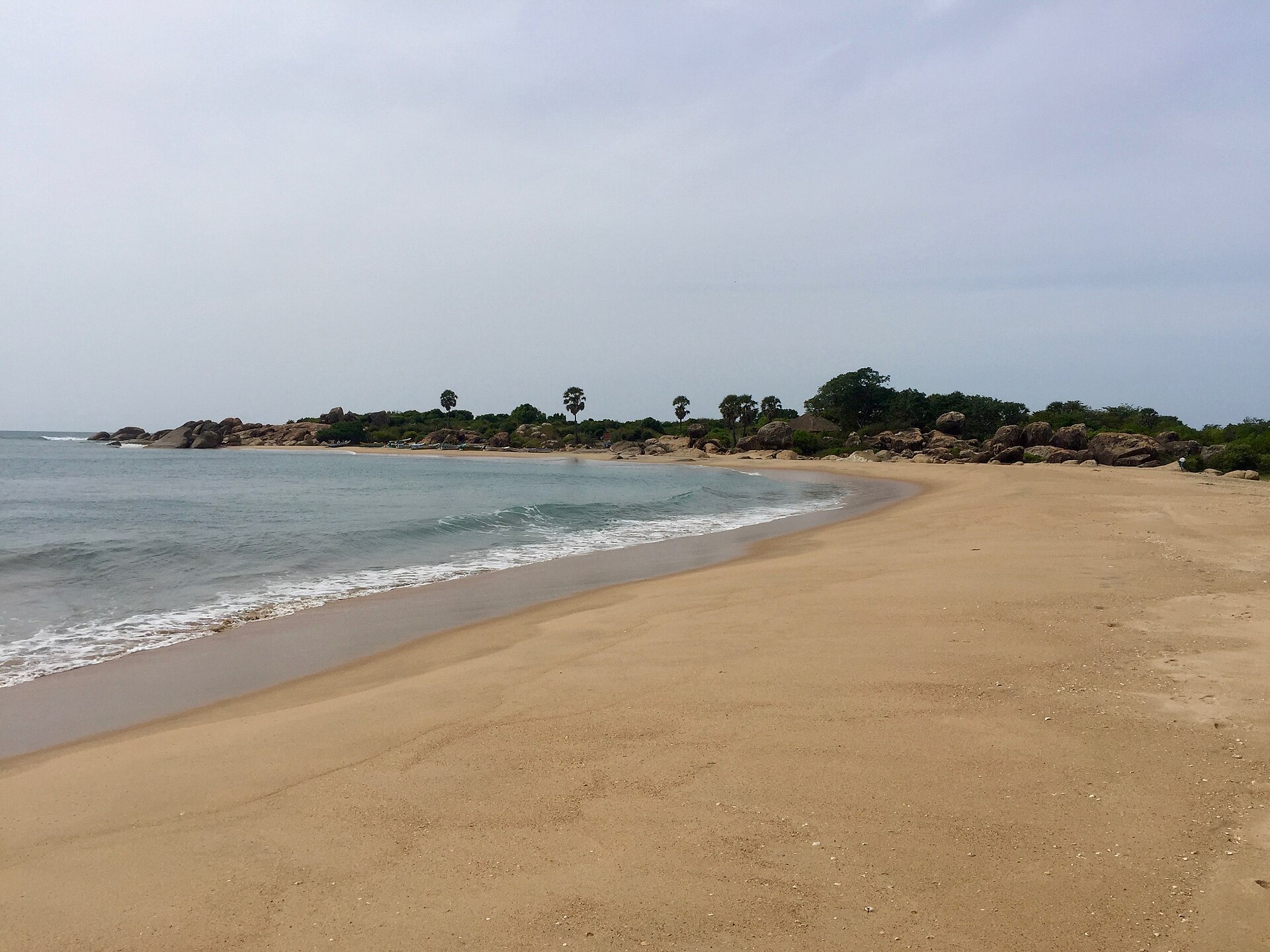
- Whiskey Point and Baby Point. A ten-minute walk south of the main beach, Whiskey Point offers gentler, more forgiving waves for beginners and early intermediates, plus one of the best sunrises on the east coast. Baby Point, closer to town, is where most surf schools run their first lessons — small, soft waves over a sandy bottom.
- Peanut Farm and Elephant Rock. Two more breaks within easy reach of the bay. Peanut Farm is a mellow left for longboarders and beginners; Elephant Rock throws a faster, heavier left over reef that rewards experienced surfers on the bigger September swells.
- Surf lessons and board hire. Surf schools along the main strip rent boards and teach at very reasonable rates — around $15–25 for a day’s board rental and $30–40 for a lesson. A couple of hours with an instructor at Baby Point sorts out a beginner faster than a week of self-teaching.
- Pottuvil Lagoon safari. A two-hour boat ride through the mangroves at sunset is a genuine highlight between surf sessions — monitor lizards, migratory birds, and, if you’re lucky, elephants on the far bank. Book it through any guesthouse; it costs very little.
- Kumana National Park. Quieter and wilder than Yala, with excellent leopard and birdlife. A full-day jeep safari from Arugam Bay covers it properly, and it pairs well with a half-day stop at Kudumbigala, an ancient forest monastery carved into rock.
- Kalpitiya kitesurfing, September to mid-October. If you kite rather than surf, the west coast lagoon town of Kalpitiya is still in its summer wind season through mid-October, with reliable 25+ knot afternoon winds. September is prime time — warm water, shallow flat-water lagoons for learning, and ocean swell for the advanced.
- The south coast, late October. From the last week of October, Weligama Bay, Dewata and Hiriketiya start firing as the northeast monsoon builds. These bays face the swell differently from the exposed beaches, which is why experienced surfers rate them even in the “off” months — by late October they become genuinely good again.
Whiskey Point, Arugam Bay — one of Sri Lanka’s most reliable surf breaks. Photo: Kalana Jayatilake, CC BY-SA 4.0, via Wikimedia Commons
Getting around
Colombo to Arugam Bay is a full day: 7–8 hours by private car, roughly $130–170 including fuel and driver expenses. It’s a long haul, so most travellers break it up — the train from Colombo to Ella (about $10–15 second class, 9–10 hours through the hills) followed by a taxi from Ella to Arugam Bay at $80–110 for 5–6 hours on winding roads. The budget route is an overnight bus from Colombo to Pottuvil at around $7–10, then a five-minute tuk-tuk into the bay.
Colombo to the south coast (Weligama, Mirissa, Ahangama) takes 2.5–3 hours on the Southern Expressway, with a private taxi around $55–75. This is the route that starts making sense again in late October, when the south coast surf wakes up.
Colombo to Kalpitiya is about 3–3.5 hours by road, $60–80 by private car; most kitesurf resorts arrange pickup from Colombo or Negombo if you ask in advance.
On the ground at Arugam Bay, a scooter is the best investment: $8–12 a day gets you to every break from Peanut Farm to Elephant Rock in minutes. Tuk-tuks cover shorter hops for $1–3. If you’re visiting in October, don’t try to chase both coasts in one short trip — commit to one based on your dates (first half of the month: east; second half: south) and save the two-coast surf trip for a stay of two weeks or more.
What to budget
Arugam Bay, September, per person per day: a good guesthouse room runs $20–40 and a beachfront cabana $50–80 — noticeably below the August peak. Local meals cost $3–8, nicer cafes and restaurants $10–15. Add board hire at $15–25 a day (weekly deals bring it down), a one-off lesson at $30–40, a scooter at $8–12 split between two people, and $1–3 for tuk-tuk hops. A budget surfer gets by on $40–55 a day; a comfortable mid-range trip runs $70–100.
South coast in September is the cheapest it gets all year: off-season discounts of 30–50% against December prices mean guesthouses at $15–35 and beachfront rooms at $40–60. By late October, as the season starts, prices begin creeping back up — book early if you’re aiming for the last week of the month.
Kalpitiya kitesurfing: a kite lesson runs $50–70, and full gear rental around $40–60 per session — bring your own board and harness if you can to save on the extras. Accommodation in Kalpitiya is simple and affordable, mostly $20–45 a night.
The shoulder-season bonus: flights and hotels across Sri Lanka run noticeably cheaper in September than in August or December. The pricing is part of the appeal — you’re paying off-peak rates for near-peak waves.
WATCH OUT FOR
- The September south coast is not the south coast you’ve seen in photos. The southwest monsoon sends bigger, messier, onshore swell into exposed beaches, with strong rips at Weligama and blown-out afternoons almost everywhere. The weather improves through the month, but the surf stays monsoon-driven until November. Experienced surfers can find excellent waves at the sheltered bays; beginners should head east or wait.
- The mid-October dead zone. There is a fortnight in the middle of October when the east coast is fading and the south coast hasn’t switched on. If your dates land there, keep your plans flexible — watch the swell forecast a few days out and be ready to move coasts at short notice.
- Afternoon thunderstorms. October is Sri Lanka’s inter-monsoon period, which means short, sharp showers most afternoons. Surf in the morning and plan something indoor-friendly for the afternoons.
- Arugam Bay winds down in late October. Many surf shops, restaurants and guesthouses close progressively after the third week of October as the season ends. If you’re visiting in the second half of the month, confirm what’s actually open before you book.
- The photos-versus-reality gap in accommodation. Some listings show wide-angle shots that don’t match the current room — and at lower price points, air conditioning, tea and coffee facilities, and proper mosquito sealing aren’t guaranteed. Check recent guest photos and confirm what’s included before you pay.
- Mosquitoes and heat. The east coast is hot and humid in September, and rooms without good sealing let bugs in at night. Choose accommodation with working AC and tight window screens — the reviews will tell you which properties take this seriously.
- Reef breaks command respect. Elephant Rock and the heavier days at Main Point break over reef. Bring booties, check the tide, and give way to surfers already on a wave — dropping in is the fastest way to make enemies in a small lineup.
GOOD TO KNOW
- No wetsuit needed. Water temperature holds at 27–29°C year-round. Boardshorts, a rash guard for sun protection, and booties for the reef breaks cover everything.
- Surf before 11am. The sea breeze arrives mid-morning almost everywhere on both coasts, turning clean waves into chop. The 6–11am window is the day’s best surf, every single day.
- September bookings. At Arugam Bay you can book a week or two ahead instead of months — the good guesthouses still have space, and you’ll pay shoulder prices for it. That flexibility is the month’s quiet superpower.
- Play the fortnight in October. First two weeks: Arugam Bay is your last reliable window on the east coast. Last week onward: the south coast bays start delivering. Mid-month is the gamble — lean on a surf forecast app daily, because in transition months the calendar lies and the forecast doesn’t.
- Kalpitiya’s wind window. The kitesurf season runs mid-May to mid-October. September is prime; early October is the finale. After that, the lagoons go quiet until the winter winds return in December.
- Poya full-moon days. On these public holidays many restaurants close and alcohol sales pause island-wide. They’re wonderful for empty beaches and quiet surf, just plan meals around them.
- Respect the lineup etiquette. Arugam Bay has a tight local surf community that welcomes visitors warmly — but priority rules apply. Smile, wait your turn, and you’ll make friends; drop in and you won’t.
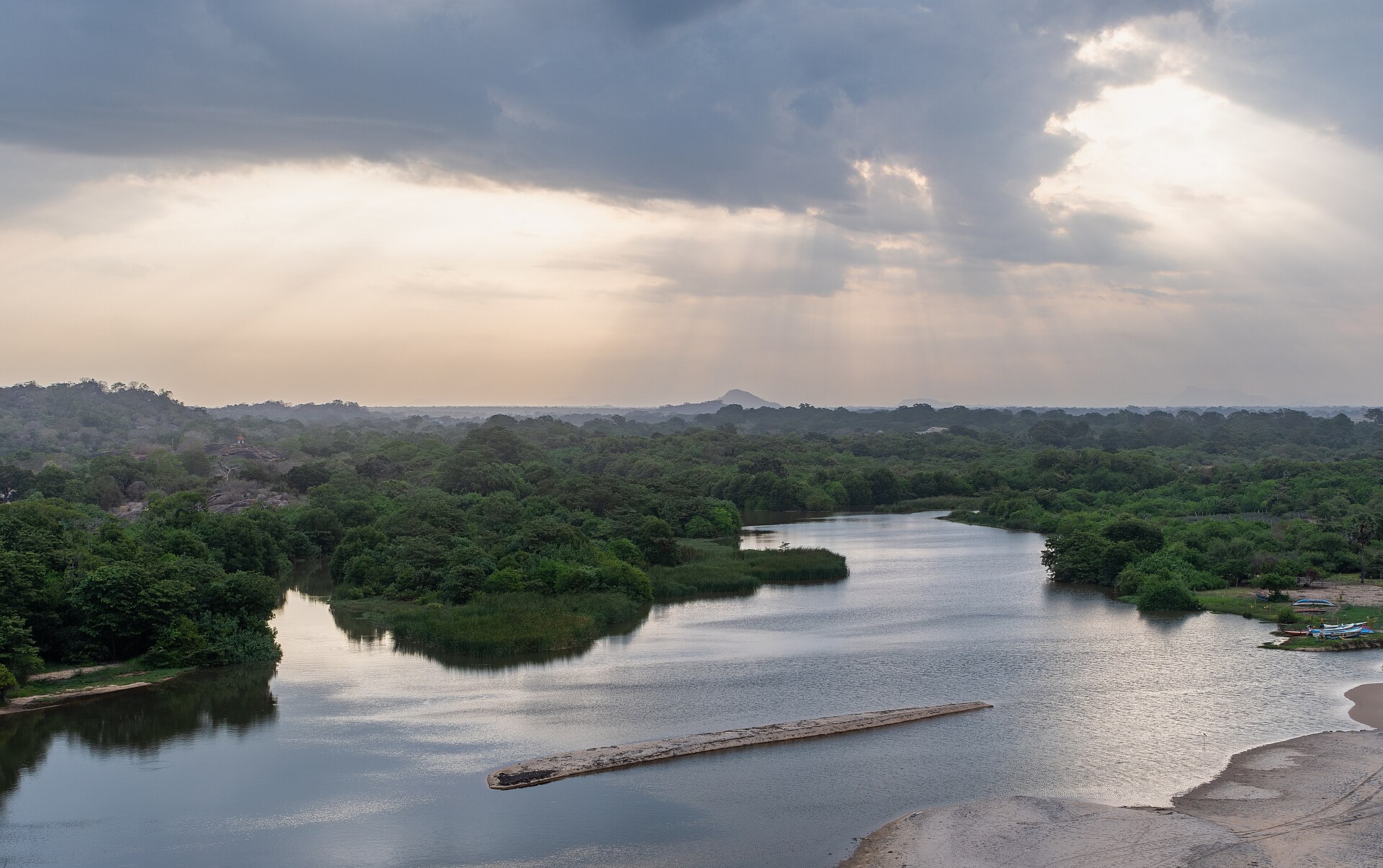 Evening over the Heda Oya river mouth near Arugam Bay, seen from Elephant Rock. Photo: Steffen Schmitz, CC BY-SA 4.0, via Wikimedia Commons
WHERE TO STAY
Sanddune Arugambay delivers exactly what a surf stay needs — beachfront cottages right on the sand, clean and comfortable, with friendly staff and great value that guests consistently call a no-brainer for a laid-back beach stay.
Babar Point feels like a tropical paradise thanks to its thoughtful design — a sparkling pool at the centre, mature gardens, and a peaceful atmosphere that guests say makes them never want to leave. It’s the pick if you want calm evenings after big surf days.
Blue Wave wins on service — the staff’s attentiveness and the delicious breakfasts turn a simple poolside stay into something memorable, with the team going out of their way to keep everything running smoothly.
SeaLavie is all about the hosts: the owners create the entire vibe of the place, offering spotless rooms, barista coffee, and the kind of hospitality that makes guests feel instantly at home.
Kitesurfing Lanka (Kalpitiya) is the stay for wind-chasers — its communal dining setup, where guests share meals at one big table, makes it effortless to connect with fellow kite surfers and creates a genuinely social atmosphere you won’t find at a standard resort.
The bottom line
September is one of the smartest surf months in Sri Lanka: Arugam Bay is still pumping, the crowds have thinned, and the prices are kind. October asks a little more of you — play the fortnight, follow the swell, and you’ll find waves somewhere on the island nearly every day. Sri Lanka’s two coasts trade seasons like a relay, and your only job is to be standing on the right coast when the baton lands.
Still building the surf trip?
- What to know before booking Arugam Bay
The east-coast hub where September still pumps – guesthouses, lessons and the local scene. - Arugam Bay vs Hikkaduwa
East coast vs southwest coast, head to head: pick the right bay for your month and level. - Weligama – the south-coast surf base
The beginner-friendly bay that catches the swell as the east season fades into October. - Sri Lanka in October
The full month picture: which coast to ride, what the weather does, and where to base.
Have a specific question about your Sri Lanka trip?
Ask BYC at byc.lk — Free and honest. Some links are affiliate links and never change our advice.
Ask BYC Your Question →