Is Whale Watching in Sri Lanka Worth It? An Honest Guide for 2026
The hook
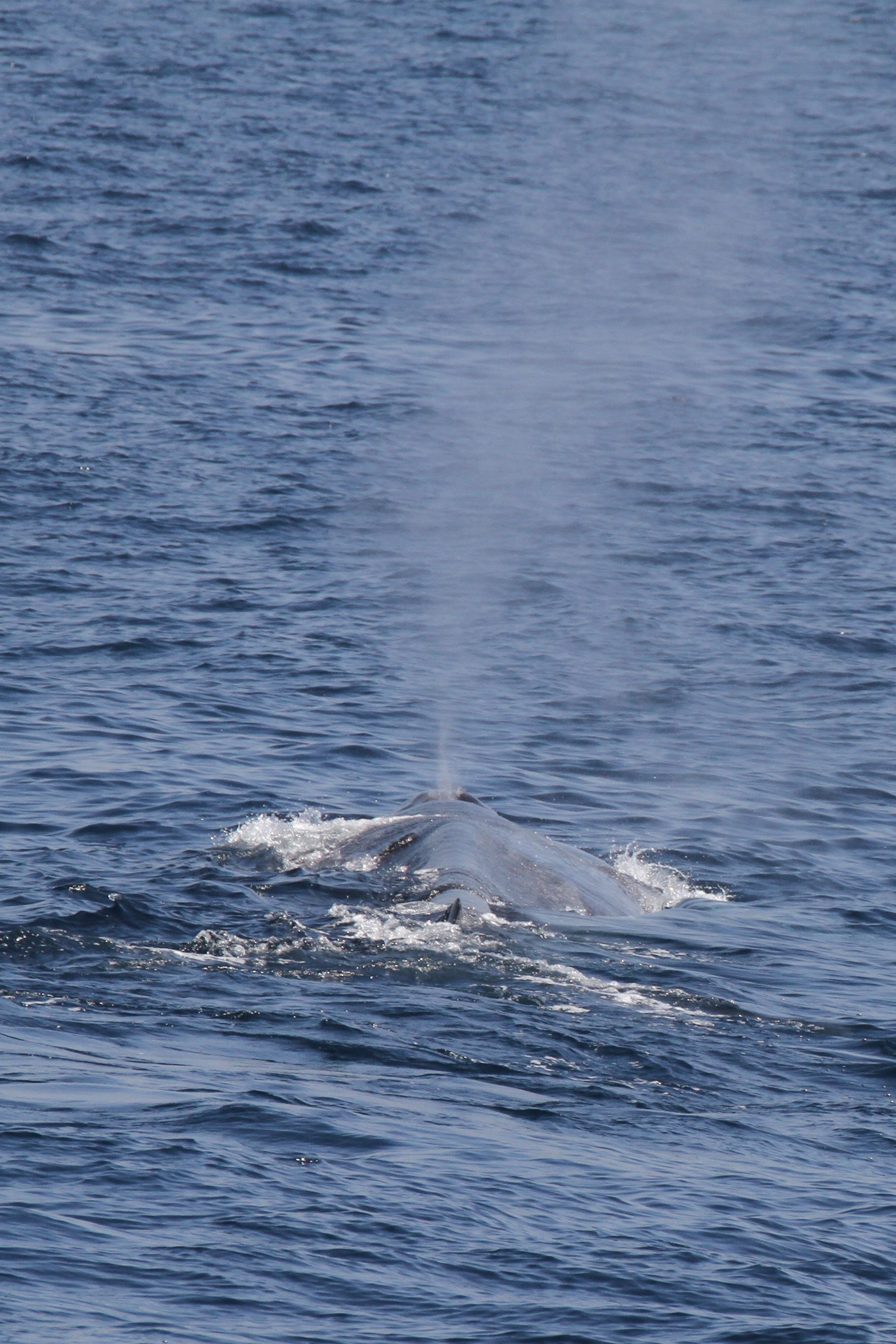
It's 6:15 AM and your boat is ten kilometres off the southern coast of Sri Lanka. The engine cuts. Everyone goes quiet. Then someone points — a vertical puff of mist, barely visible, rises and vanishes 200 metres away. The captain turns the boat slowly. Thirty seconds later, a dark shape longer than your entire vessel arches out of the water, and a tail fluke the size of a small plane slips beneath the surface. You just saw a blue whale, the largest animal that has ever lived, and you saw it from a wooden boat that cost you about as much as a nice dinner in London.
But not every whale watching trip in Sri Lanka ends like this. Some end with three hours of queasy staring at empty ocean, or worse — fifteen boats revving their engines as they chase the same exhausted animal. So is it worth it? Let's break it down honestly.
The short answer
Yes — if you pick the right location for the right month and choose your operator carefully. Sri Lanka is one of the few places on Earth where blue whales can be seen reliably within a 30-minute boat ride from shore, and during peak season your odds of a sighting exceed 90 percent. The experience is genuinely world-class when conditions align. But the same trip taken in the wrong season, or with a careless operator, can be a waste of money and a genuinely uncomfortable morning. The key is knowing which coast to be on, and when.
What's worth doing
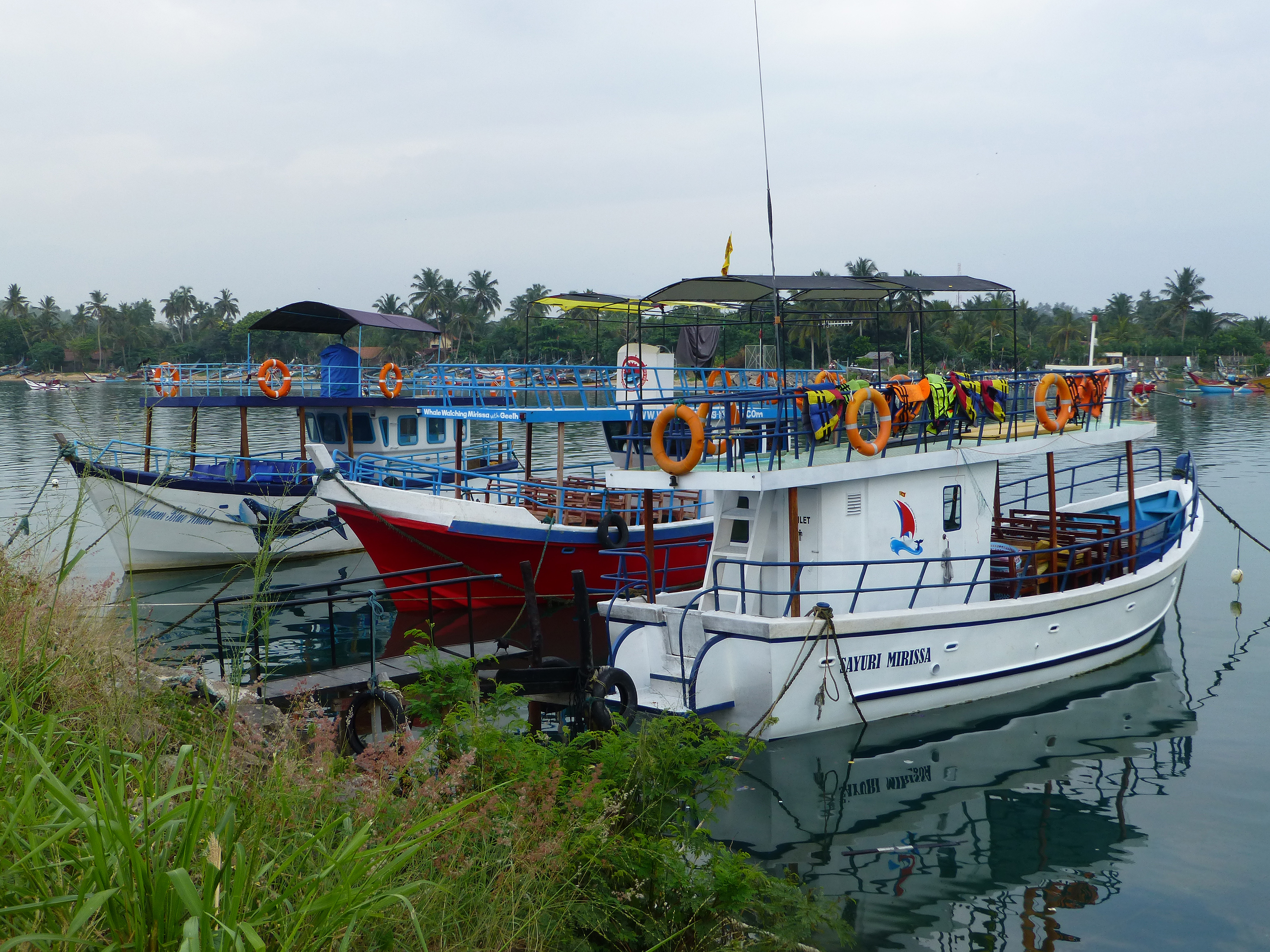
Blue whale watching off Mirissa (November to April). The classic Sri Lanka whale watching experience. Mirissa sits on the deep-water continental shelf, and during the south coast dry season blue whales feed here in numbers that make Sri Lanka one of the best whale watching destinations in the world. Trips run 3 to 5 hours, departing around 6:30 AM. Peak season December to March delivers sighting rates above 90 percent. You will also see spinner dolphins on most trips, and occasionally sperm whales. A standard shared-boat tour costs USD 50 to 80 per person including hotel pickup in the Mirissa-Weligama area.
Whale watching off Trincomalee (May to October). When Mirissa's season ends, the action moves east. Trincomalee's deep channels sit just 6 to 8 nautical miles from the harbour, meaning you reach whale habitat in about 30 minutes. Blue whales are the main draw alongside sperm whales and enormous pods of spinner dolphins. Peak window is June through September. Trincomalee is also significantly less crowded than Mirissa — instead of 15 to 25 boats converging on the same pod, you might share the water with 3 to 5. Tours cost USD 45 to 75 per person.
Dolphin watching in Kalpitiya (November to April). Kalpitiya on the west coast is less about whales and more about spinner dolphins, which gather in pods of hundreds, sometimes thousands. It is one of the few places in the world where you can reliably swim alongside wild dolphins with a responsible operator. Kalpitiya also happens to be Sri Lanka's kite surfing capital, so it pairs well with an active beach holiday. Dolphin watching tours cost USD 35 to 60 per person.
Combining whale watching with east coast attractions. One underrated advantage of Trincomalee whale watching is what you do with the rest of your day. Pigeon Island National Park offers excellent snorkelling with blacktip reef sharks and sea turtles just 15 minutes from Nilaveli by boat. Koneswaram Temple, perched on Swami Rock cliff, delivers sweeping ocean views. And Trincomalee's beaches — Nilaveli and Uppuveli — are wide, white-sand stretches far less commercial than the south coast. A whale watching morning plus an afternoon at Pigeon Island makes for one of the best single-day experiences in Sri Lanka.
Getting around
Getting to Mirissa. Mirissa is 150 km south of Colombo, about 2.5 hours by private car via the Southern Expressway (USD 80 to 100) or 3.5 to 4 hours by public bus from Colombo Fort (LKR 400 to 600, about USD 1.50 to 2). From Galle or Weligama, a tuk-tuk costs LKR 500 to 2,000 (USD 2 to 7). The coastal train from Colombo takes 3.5 to 5 hours, scenic but slow (LKR 400 second class).
Getting to Trincomalee. Trincomalee is 260 km from Colombo. A private car takes 5 to 6 hours (USD 100 to 130). The public bus from Colombo Bastian Mawatha takes 6 to 7 hours and costs LKR 500 to 800 (USD 2 to 3). The night train departs Colombo around 8 PM, arriving early morning — a first-class sleeper costs about LKR 1,500 (USD 5). From Kandy or Dambulla it is a 3 to 4 hour drive, making Trincomalee a natural add-on after the Cultural Triangle.
Getting to Kalpitiya. About 170 km north of Colombo, a 3.5 to 4 hour drive via Puttalam (private car USD 70 to 90). Public buses run Colombo to Puttalam, then switch to a local bus or tuk-tuk for the final stretch. No train line.
What to avoid. Do not book whale watching through someone who approaches you on the beach or street in Mirissa. You will pay more for an overcrowded boat. Book through your accommodation at least one day ahead. And never plan a whale watching trip during the monsoon season for that coast — May to October in Mirissa means rough seas, low visibility, and very low sighting probability.
What to budget
Here is an honest per-person daily breakdown for a whale watching trip in Sri Lanka, assuming mid-range accommodation and eating at a mix of local restaurants and tourist-friendly cafes:
Accommodation: A good guesthouse in Mirissa runs USD 25 to 50 per night for a double room with AC. Trincomalee is slightly cheaper, USD 20 to 40. Boutique beachfront properties in both locations run USD 80 to 150. Kalpitiya is the most budget-friendly, with decent rooms from USD 15 to 35.
Meals: Rice and curry at a local restaurant costs LKR 400 to 800 (USD 1.50 to 3). Dinner at a beachfront tourist restaurant runs LKR 1,500 to 3,000 (USD 5 to 10). Budget USD 10 to 20 per day mixing local and tourist spots. A grilled fish dinner with sides rarely exceeds USD 8.
The whale watching tour itself: USD 45 to 80 per person for a shared boat, usually including hotel pickup, light breakfast, and water. Private charters cost USD 200 to 400 for a full boat. Some operators charge an additional USD 10 to 20 entrance or harbour fee at check-in — ask when booking.
Transportation: Tuk-tuks within town cost USD 2 to 5. Scooter rental runs USD 7 to 10 per day. Inter-city bus or train costs USD 2 to 5 per person. A private car with driver for a day costs USD 50 to 70.
Realistic daily total: USD 50 to 90 per person for a comfortable budget trip including the whale watching tour. Mid-range with a boutique hotel: USD 100 to 160 per day.
WATCH OUT FOR
Overcrowded boats chasing whales. Mirissa in peak season can be chaotic. Trips during the busiest weeks see 15 to 25 boats racing each other to the same whale sighting. Boats cut across whale paths, engines rev, and the animals get stressed. This is harmful to the whales and a lousy experience for you. Sri Lanka requires boats to stay at least 100 metres from blue whales, but enforcement is inconsistent. Trincomalee generally has far fewer boats on the water, making it the better choice if you want a more respectful experience. Ask your operator: “How many boats do you typically share sightings with?” If the answer is more than 5 or 6, look elsewhere.
Seasickness. The Indian Ocean is not a lake. Even in calm season, the swell can be significant on the 3 to 5 hour trips out of Mirissa. If you are prone to motion sickness, take medication at least 30 minutes before boarding. Sit near the back of the boat where motion is least pronounced. A ruined morning spent queasy on a rocking boat is a USD 60 mistake.
Off-season whale watching that should not exist. Some Mirissa operators continue running tours into May and June, when the monsoon has arrived and sightings have plummeted. They will still take your money, but your chance of seeing a whale drops below 30 percent. May to October: go east to Trincomalee. November to April: go south to Mirissa. The island offers year-round whale watching, but only if you go to the right coast.
“Guaranteed sightings” promises. No ethical operator guarantees a sighting because whales are wild animals. Anyone offering a money-back guarantee is either lying or incentivised to harass whales until one surfaces. A high success rate in peak season is normal, but an ironclad guarantee is a red flag.
GOOD TO KNOW
Book the day before, not weeks in advance. Whale watching tours rarely sell out completely, and booking a day ahead lets you check the marine forecast. If the sea is rough, you can skip it. Most guesthouses and hotels can arrange a tour for you, often at a better rate than walk-in pricing at the harbour. The best operators are well-known locally — ask your accommodation host which company they would send their own family with.
Go on a weekday if you can. Weekends and public holidays bring more domestic tourists to the coast. A Tuesday morning in February will almost certainly be less crowded than a Saturday.
Bring a proper camera. Phone cameras will not capture a whale spout 100 metres away. A 200mm or longer lens makes the difference. Binoculars are also worth packing. That said, do not spend the entire trip behind a lens — some moments are better experienced than captured.
Dress for wind and spray. The open ocean is significantly cooler than the beach at 7 AM. Bring a light jacket even on sunny days. Sunscreen, sunglasses, and a hat are essential — there is zero shade on the boat. Avoid anything that cannot get wet.
Eat light before boarding. A heavy breakfast of hoppers and curry right before 4 hours of ocean swell is a recipe for misery. A banana and some dry toast are a better bet. Most tours provide light snacks and water on board.
WHERE TO STAY
Three Gables Boutique Villa (Mirissa, 9.9/10 from 138 reviews). Reviewers consistently mention the staff going far beyond standard hospitality — one guest described being helped to release baby turtles on the beach at sunset, an experience that captures the personal touch this property is known for. Stunning ocean-view setting with food and service rated exceptional across the board.
Peacock Villa (Mirissa, 9.7/10 from 268 reviews). Multiple guests call this the best hotel of their entire Sri Lanka trip, praising the comfortable rooms, beautiful swimming pool, and a host who greets arrivals with a chilled iced coffee. Set in a quiet garden five minutes' walk from Mirissa Beach, it delivers boutique quality at a mid-range price.
Blu Marine Nilaveli (near Trincomalee, 9.5/10 from 452 reviews). Located just 50 metres from Nilaveli Beach — one of the east coast's finest stretches of sand — with guests highlighting the genuinely warm welcome, spotless rooms, and excellent home-cooked meals. An ideal base for Trincomalee whale watching plus an afternoon at Pigeon Island.
Elements Beach & Nature Resort (Kalpitiya, 9.5/10 from 121 reviews). Right on the beach in Kalpitiya with a laid-back, nature-immersed atmosphere. Reviewers praise the excellent food, super-friendly service, and the simple pleasure of being steps from the water. Ideal for dolphin watching season and kite surfers looking for a relaxed base.
The bottom line
Sri Lanka offers something genuinely rare: the chance to see the largest animal on Earth within half an hour of leaving the harbour, for less than the price of a good dinner out. It is not a polished, theme-park experience — it is raw, unpredictable, and occasionally chaotic. But when the engine cuts and a blue whale surfaces beside your boat, none of the imperfections matter. Pick your coast by the month, choose an operator who respects both you and the whales, and let Sri Lanka do the rest.
Planning a Sri Lanka trip and wondering whether whale watching fits your itinerary? Ask BYC at byc.lk — free, honest, no upsell. Ever.
Keep planning around it
Whale watching is a half-day, so the next question is what it slots into. From Mirissa you are already inside the south-coast chain — Mirissa vs Unawatuna vs Weligama shows which base puts you on the boat with the least dawn driving, and the best beach in Sri Lanka covers the rest of the coast day. If the season or the coast is still open in your plan, October is when the southwest rebinds and the sea settles, and when monsoon season falls tells you whether your dates even allow a boat out. Booking elsewhere on the trip too? The 2026 cost guide is the price check.
Have a specific question about your Sri Lanka trip?
Ask BYC at byc.lk — free, honest, no upsell. Ever.
Ask BYC Your Question →