Whale Watching in Sri Lanka: What 353,633 Reviews Reveal (Cost, Season, Which Boat)
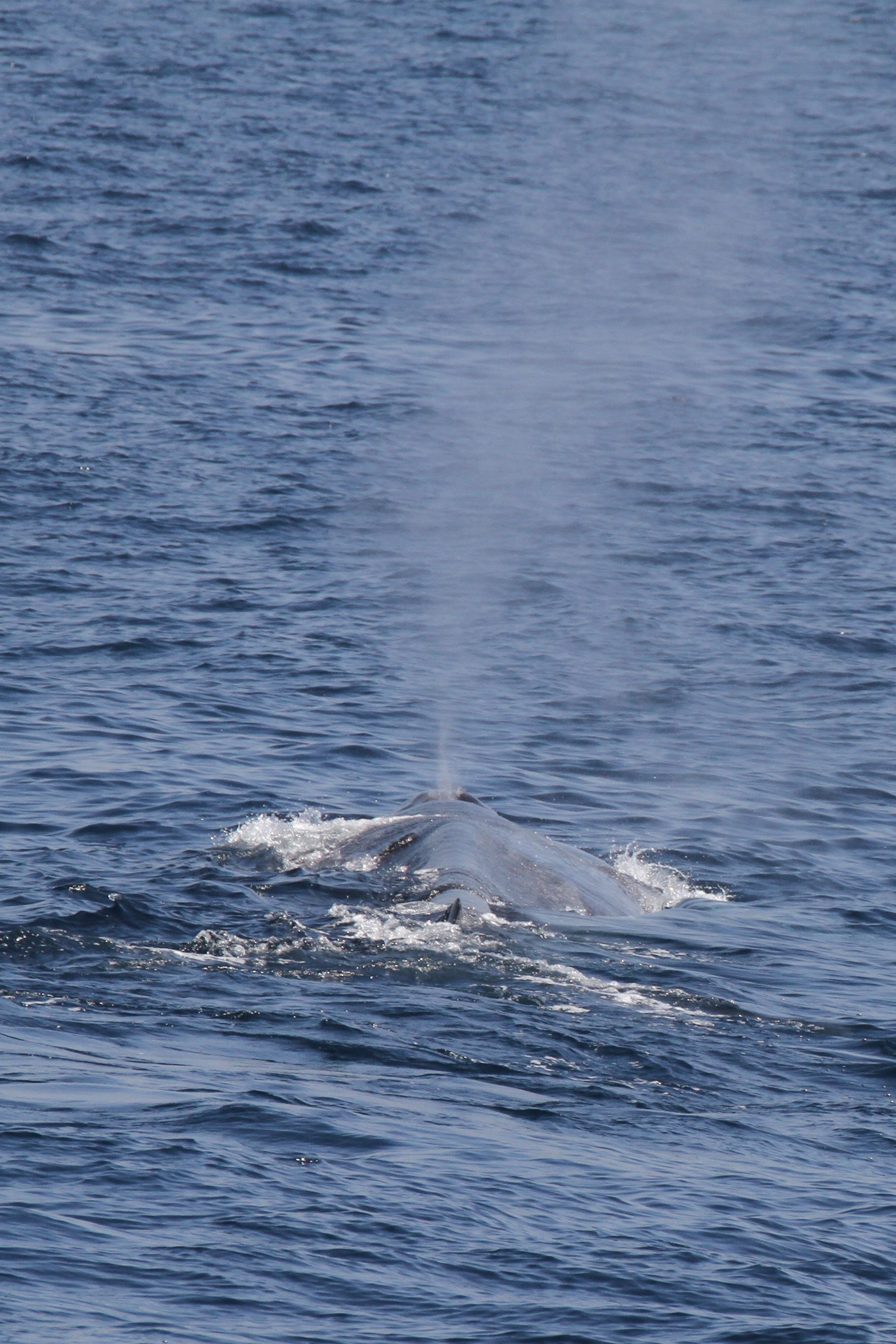
Sri Lanka whale watching is worth it if you book the right boat — and the review data shows the single biggest factor is not the harbour, the season or the species. It is who you book through. Of 353,633 verified guest reviews, 370 mention whales, and the prices travellers were quoted for essentially the same trip range from US$40 to US$145 per person — a 3.6× spread on the same water, in the same season, out of the same harbour.
Two south-coast harbours dominate the trade: Mirissa (192 whale mentions — more than every other region combined) and Trincomalee (42), with a quieter third scene at Nilaveli (32) and dolphin trips out of Kalpitiya (16). That regional split is the first thing to understand, because the two coasts run on opposite seasons and give completely different trips.
We pulled every one of those 370 reviews, extracted the prices people actually paid, and separated the trips guests raved about from the ones they regretted. What came back is less a wildlife story than a pricing story — and a very repeatable way to pay the low end.
Last updated: September 16, 2026.
The short answer
Book your whale trip through the guesthouse or small hotel you are already staying at, not through a beach tout or your driver. In the 370 review mentions, 127 describe the stay itself arranging or organising the trip — by far the dominant, and almost always the positively-reviewed, pattern. Travellers who booked through the property repeatedly report the best prices we found (US$40 from a stay, against US$60 quoted by their own driver on the same day); travellers who were sold the trip as an add-on by a beachfront resort report the worst (US$145 advertised at one Mirissa property, for the "exact equivalent" a guest then bought for US$60).
Second: go in the right season for the coast you are on (Mirissa roughly November–April, Trincomalee/Nilaveli roughly May–September). Third: expect an early start and a long morning — 38 reviews mention the pre-dawn departure, with 5:30–6:00 am pickups routine and some trips not back until 1 pm.
What the 370 mentions actually contain
This is the part that surprises people. Almost none of the whale reviews are about whales.
- 127 mentions are about the arrangement — the hotel booking it, the guesthouse owner driving you to the harbour, the manager who "initiated" the trip for you.
- 59 mentions pair the whale trip with turtles, and 59 pair it with dolphins — the snorkelling-and-wildlife day is the real product being sold.
- 38 mention the pre-dawn start (5:30 am, 6 am, 5.45 am tuk-tuks to the harbour).
- 22 mention crowding.
- Only 6 name the species — and in every one of those it is a blue whale. The blue whale is the trophy, and it is what the trip is sold on.
In other words: the whale is the headline, but the reviews are really a record of logistics, price and morning misery. That is useful, because logistics and price are the two things you can control.
Where travellers actually watch whales
By region, using review mentions as a proxy for trip volume:
- Mirissa — 192 mentions. The undisputed capital. It is the only Sri Lankan harbour with a dedicated, daily whale fleet, and it is the base for the overwhelming majority of blue-whale trips on the island. Everything about the Mirissa scene is high-volume: many boats, many operators, many touts, and the widest price spread in our data.
- Trincomalee — 42 mentions. The east-coast alternative, roughly May–September. Reviews here include the island's most explicit pricing warning (below), but also strong, well-organised trips.
- Nilaveli — 32 mentions. The quieter Trincomalee-coast base, sitting opposite Pigeon Island. Where travellers mention whale watching here it is almost always bundled with the marine-park snorkelling day.
- Kalpitiya — 16 mentions. Overwhelmingly dolphin, not whale. Kalpitiya is the spinner-dolphin and kitesurfing coast, and its reviews describe dolphin trips rather than blue-whale trips.
- Weligama (21), Galle (10), Matara (10), Negombo (12), Unawatuna (8), Tangalle (7), Hikkaduwa (4). Secondary mentions — mostly travellers based in these towns who travelled to Mirissa or Trincomalee for the trip itself.
The one-line geography: if you want to see a blue whale, you go to Mirissa between November and April, or Trincomalee between May and September. There is no third option that comes close on volume.
The price data — a 3.6× spread on the same trip
We extracted every dollar figure that appeared in the same sentence as a whale or dolphin trip. This is the most actionable finding in the whole study, because it is all first-hand reporting from guests who paid it:
- US$40 per person — a Mirissa property owner "initiated" the offer at this price. The guest's own driver had quoted US$60 for the same thing. The guest scored the stay 10/10 and mentioned the price explicitly as a good thing. Both figures come from the same review — a live, same-day, same-trip comparison of hotel-offered vs driver-offered pricing.
- US$60 per person — the "exact equivalent" another guest paid after being quoted US$145 by their Mirissa hotel. That review was a 1/10 stay, and the whale markup was one of several reasons given.
- US$70 per person — listed in a Mirissa property's own facilities/price sheet in a review.
- US$80 per person — a Trincomalee hotel's asking price for a dolphin trip; the guest found a boat elsewhere for US$50 for two people (US$25 each). The hotel's own staff, by that guest's account, told them they "wouldn't see any whales".
Read those four bullets together and the pattern is unmistakable. The same coastline, the same animals, the same season: US$25–40 per person is achievable; US$70–145 is what you pay if you buy the trip as a resort add-on. The premium is not buying you a better boat or a better sighting — the guest who paid US$60 after a US$145 quote described it as the "exact equivalent", and the guest who paid US$40 had their trip arranged by their accommodation.
What good looks like: the arrangement detail that keeps showing up
The reviews that read happiest share a specific shape, and it is worth copying deliberately. It is not "we saw a whale". It is this:
- The stay books it for you, the night before. Over and over: "They also provided a contact for whale watching activity and booked it for us", "Owners organised booking us a whale watching tour and kindly dropped us there 1st thing in the morning", "arranged us whale watching for a reasonable price".
- The 5:30–6:00 am tuk-tuk is part of the service. The reviews that mention the early start almost always mention the hotel solving it: a 5.45 am tuk-tuk to the harbour, a tuk-tuk at 6 am with a takeaway breakfast picnic, or a late breakfast kept back for the guests who returned at 1 pm.
- Late check-out is negotiated in advance. Several guests were allowed to keep the room because they were late back from the harbour — the difference between a relaxing trip and a stressful one.
The practical translation: pick your stay partly on whether it arranges the whale trip. That single choice tends to fix price, transport, breakfast and check-out in one go — which is exactly why those reviews score highest.
WATCH OUT FOR
The recurring traps, straight from the low-scored reviews:
- The resort markup on the same trip. US$145 quoted, US$60 paid for the "exact equivalent"; US$80 asked for a dolphin trip that cost US$25 a head elsewhere. If the price you are quoted is two to three times what a tuk-tuk driver or a neighbouring guesthouse suggests, it is a markup, not a superior boat.
- Commission friction. One guest was told, in effect, that the property was unhappy they had booked the trip through a friend "because they do it by themselves with a commission". Booking directly through your stay is the smoothest route; booking around the concierge desk can sour the relationship.
- Being sold the trip as an add-on instead of the basics. A pointed Mirissa review: the staff "have been more interested in providing add-ons like whale watching, cabs... but cannot fulfill the basic amenities". Good sign that the whale trip is a sideline, not a service.
- Crowding. 22 of the 370 mentions raise it. Mirissa's fleet is large and high-season mornings put many boats on the same animals.
- You may not see one. Sightings are wildlife, not a guarantee — and no review in our set that failed to see a whale got its money back. Treat the trip as a morning at sea with a good chance, not a ticket to a guaranteed sighting.
- The add-on food and extras. One review notes a whale-trip takeaway breakfast of "barely edible sandwiches"; another that the complimentary hotel breakfast was missed entirely because of the early departure. If breakfast matters, ask the night before.
GOOD TO KNOW
- Season by coast. Mirissa's whale season is broadly November–April, when the southwest coast is calm and the blue whales are moving through. The east coast (Trincomalee, Nilaveli) runs roughly May–September in its dry window. They are opposite seasons — the same reason the south coast is wet when the east coast is dry.
- Kalpitiya is dolphin country. Its 16 mentions are largely dolphin trips, with cheap prices reported (one guest's host booked dolphin tours "at approx $20 less than web price"). Do not book Kalpitiya expecting blue whales.
- Pair it with Pigeon Island on the east coast. The natural Trincomalee/Nilaveli combo is a morning whale or dolphin trip plus the Pigeon Island snorkel — which is why so many east-coast whale mentions also mention turtles. See our Pigeon Island snorkel boat guide for how to book that half.
- Mirissa is a two-trip town. Whale watching in the morning, turtle snorkelling in the afternoon — the reviews pair them constantly. Our Mirissa guide and the whale-watching verdict guide cover the town itself.
- Budget it properly. At US$25–40 per person booked through your stay, whale watching is one of the cheaper big-ticket wildlife experiences in the country. Slot it into a wider plan with our 2026 Sri Lanka cost guide.
The bottom line
Sri Lanka whale watching is genuinely worth doing — and the review data says the way to do it well is to book it through the guesthouse or small hotel you are staying at, go in the right season for your coast, and expect a 5:30 am start and a long morning on the water. Do that and you are looking at roughly US$25–40 per person for the same experience other travellers paid US$70–145 for. Book it as a beachfront-resort add-on and you will pay two to three times as much for the identical trip — because in 370 real reviews, that is exactly what happened, again and again.
For the wider wildlife picture, see our honest whale-watching verdict, our Mirissa guide and Trincomalee destination page, the coast-by-month comparison for picking your season, and where to eat crab & seafood in Sri Lanka, according to 301,484 reviews for the other great coastal food question.
Data: BYC.lk analysis of 353,633 verified guest reviews of Sri Lankan properties (Booking.com and other travel platforms). 370 reviews mention whales; regional counts, paired-activity counts and price figures are drawn from those mentions. Prices are as reported by guests in their own reviews and reflect the quotes and amounts they recorded at the time of travel. Whale seasons reflect published 2026 operator windows.
Have a specific question about your Sri Lanka trip?
Ask BYC at byc.lk — free, honest, no upsell. Ever.
Ask BYC Your Question →