Wilpattu in Two Days: The Complete 2-Day Safari Plan
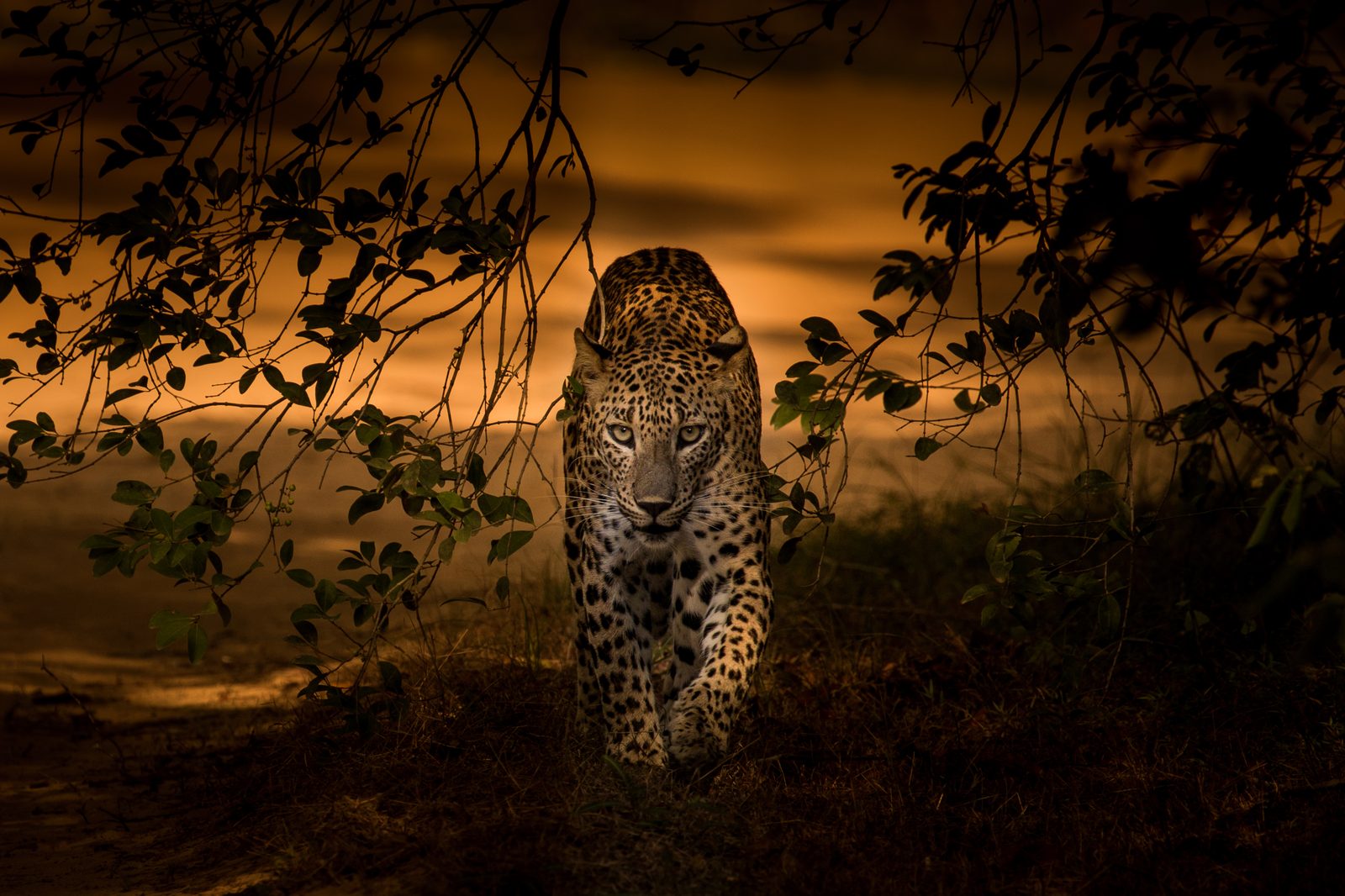
The safari jeep is the only vehicle on the track. A leopard melts out of the scrub forty metres ahead, crosses the sandy path, and settles on the bank of a villu — one of Wilpattu’s ancient rain-fed lakes — while spotted deer watch from the far shore. Nobody honks. No other jeeps jostle for position. This is Wilpattu, Sri Lanka’s largest and least-crowded national park, and it feels less like a safari park and more like a wilderness that happens to let you in. The only question is how long to give it.
The Sri Lankan leopard — Wilpattu’s most sought-after resident. Photo: Senthiaathavan, CC BY 4.0, via Wikimedia Commons
The short answer
Two days is the sweet spot for Wilpattu. One day — a single drive — can be magical, but it leaves too much to luck. With two days you get three or four game drives: a morning and an afternoon on day one, then a dawn drive and a longer full-day or second morning on day two. That is what turns leopard odds from a coin flip into genuinely good. Three days suits photographers and birders, but for most travellers two days is the perfect balance. Anuradhapura, 45 minutes from the Hunuwilgama gate, makes two days easy to arrange.
What's worth doing
- Morning drives along the villus — The villus — natural, sand-rimmed lakes — are the heart of Wilpattu, and in the dry season they are where the park comes to drink. Drives to Kumbuk Wila, Kokkare and Maradanmaduwa take 30–45 minutes from the gate, then you simply watch: elephants wading, crocodiles on the banks, deer drinking in formation. In August the water shrinks and the animals concentrate — exactly what you want.
- Leopard watching with patience — Wilpattu has one of the highest leopard densities in Sri Lanka, but unlike Yala’s open scrub, this is dense dry-zone forest, so you work for every sighting. The formula: be on the first jeep through the gate at 6 AM, drive slowly, and let your guide read the morning — fresh tracks, alarm calls, birds mobbing a tree. Two mornings of this beats one lucky afternoon.
- Sloth bear spotting in the late afternoon — This is the park where sloth bear sightings are most realistic in Sri Lanka. They emerge in the cooler late afternoon, ambling along the tracks and digging at termite mounds. An afternoon drive (2–6 PM) is your bear window — with golden light over the villus as a bonus.
- Birdwatching at the water’s edge — Over 200 species are recorded here. Painted storks and pelicans work the shallows, crested serpent eagles ride the thermals, and the forest holds owls, hornbills and woodpeckers. Even on a quiet mammal day, the birds keep a drive alive — bring binoculars.
- A full-day drive to the far south — The deeper sections towards the Mannar road see a fraction of the traffic of the northern loop. A full-day safari (6 AM–6 PM, packed lunch from your lodge) pushes into the wildest part of Wilpattu — you may go hours without seeing another vehicle, which is precisely the point.
- Pair it with Anuradhapura — The sacred ancient city sits 45 minutes from the park’s main gate, and guests rate their stays there 8.52/10 across more than 11,000 verified reviews in our database. Ruins at dawn one day, safari the next — one of the great two-in-one combinations in Sri Lanka, covered in our Anuradhapura guide.
Getting around
Getting to the park: Wilpattu sits in the northwest, about 30 kilometres west of Anuradhapura. From Colombo it is a 5–6 hour drive (expressway to Kurunegala, then the A-road north); from Negombo allow 3.5–4 hours; from Anuradhapura it is easiest — 45 minutes to the Hunuwilgama gate. A private car with driver from Anuradhapura runs about USD 40–60 for the day. There are two gates: Hunuwilgama (the main entrance) and Eluwankulama (better if you come up the west coast from Colombo or Negombo).
Inside the park: movement is by safari jeep only — private vehicles and walking are not permitted. The park opens 6 AM to 6 PM; morning drives run roughly 6–10 AM, afternoon drives 2–6 PM. Jeep hire runs about LKR 15,000–20,000 (USD 45–65) for a half-day and LKR 25,000–35,000 (USD 80–110) for a full day, driver-guide included, per jeep of up to six. Booking through your lodge is the safest route — they use drivers who know the park and charge honest rates. Avoid negotiating with touts at the gate; you will pay more and get a worse vehicle.
What to budget
An honest per-person breakdown for two days in Wilpattu in 2026 (exchange rate around LKR 320 to the dollar):
- Park entry: Roughly USD 35–40 per foreign adult per day, taxes included (SAARC visitors pay less, children half price, under-6s free). Two days means two tickets — about USD 70–80 per adult.
- Jeep hire: USD 45–65 per half-day jeep, USD 80–110 full day. Split four to six ways, that is USD 15–30 per person per drive. Plan on three drives over two days — about USD 45–90 per person.
- Accommodation: USD 15–35 a night for a simple guesthouse near the park, USD 80–150+ for a tented safari camp. Two nights covers the plan.
- Meals: USD 10–20 per day. Camps and lodges do excellent Sri Lankan buffets; budget guesthouses and Anuradhapura’s restaurants are just as good.
- Transfers: USD 40–60 for a private car with driver for the day from Anuradhapura, or USD 10–15 per person sharing a transfer from your lodge.
- All-in total: A budget traveller sharing jeeps should plan on USD 150–200 per person for the two days; at lodge level with a private jeep, USD 300–450. For wider trip budgets, see our how many days in Sri Lanka guide.
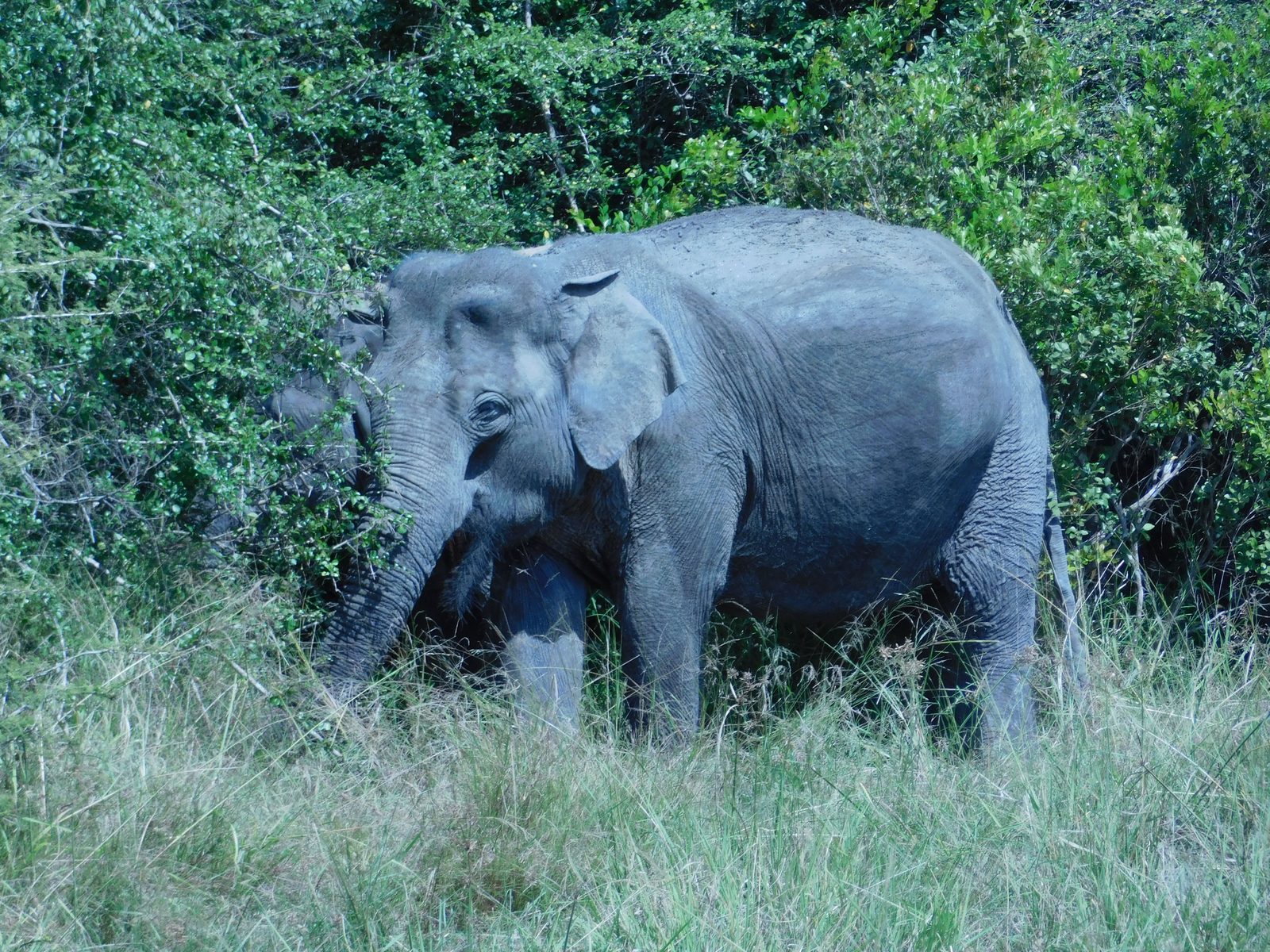 Elephants are regulars at Wilpattu’s villus in the dry season. Photo: Davidmalcolms, CC BY-SA 4.0, via Wikimedia Commons
WATCH OUT FOR
Leopards are not a guarantee. The forest is thick and the park is huge — 1,317 square kilometres, the largest in Sri Lanka — and even the best guides have quiet days. Do not judge Wilpattu on a single drive or book one half-day safari expecting Yala-style results. Two days and early starts are the insurance policy.
Poya day closures. The park is closed on poya (full moon) days. The August 2026 poya falls late in the month, so check the lunar calendar before locking dates — a poya landing mid-trip will quietly eat one of your safari days.
No food, water or fuel inside. Between the gates there is nothing — no shops, no restaurants, no pumps. Fill the tank before you enter and carry water and snacks for every drive. Your lodge will pack a box for full-day trips; make sure they do.
The gate-to-wildlife gap. The core villus are 30–45 minutes from the gate, so a “half-day” drive is really about three and a half hours of viewing. Factor that into your expectations — and into how early you leave your lodge.
Jeep quality varies wildly. Some operators run proper open-sided 4WDs; others run converted vans that rattle your spine on washboard tracks. Agree on the vehicle before you pay — if the deal seems too cheap, it is.
Heat and dust. August is peak dry season — daytime temperatures push past 30°C and the tracks are fine red dust that gets everywhere. Long sleeves, a buff, sunscreen and a dust-proof camera bag are not optional.
Don’t compare it to Yala. Wilpattu is a different animal — literally and figuratively. It was closed from 1988 to 2003 during the civil war and is still recovering, which is exactly why it feels so wild and empty. Animals are shyer and sightings are harder-won here. Our Yala vs Udawalawe comparison covers the southern parks if you want easier big-cat odds; Wilpattu is the choice for space, silence and earning every sighting.
GOOD TO KNOW
Book permits in advance. Entry permits can be reserved through the Department of Wildlife Conservation’s online e-service portal, and most lodges handle it as part of your booking. In peak months (August is one), weekend permits go fast — book a few days ahead.
Staying inside the park is a cheat code. The DWC rents a handful of wildlife bungalows inside the park — Kumbuk Wila and Kokkare among them — bookable through the same portal. You wake up inside the gates, which means you are first at the villus when the park opens. They are basic and book out months ahead, but nothing else gets you that close.
6 to 9 AM is the golden window. Leopards and most mammals are most active in the first hours of daylight. Protect at least one dawn drive — the single highest-value hour of your two days.
August is the month. The May-to-September dry season concentrates wildlife at the remaining water, and August is the peak. The alternative window is February to April, when the park is greener and quieter still.
Binoculars before a better camera. Many sightings — leopards on distant banks, birds in the canopy — are at range. A 200–400mm lens is ideal; if you have neither, binoculars will serve you better than a phone.
Combine with the sacred city. Anuradhapura’s ancient ruins — the Sri Maha Bodhi, the great stupas, the vast archaeological park — are 45 minutes away and among the most extraordinary sights in Asia. The two-day Wilpattu trip fits neatly into a northern loop itinerary.
WHERE TO STAY
Leopard Trails Wilpattu — The classic tented camp, about 20 minutes from the gate. Travellers consistently call the guiding and the candle-lit dinners under the trees the highlight of their entire Sri Lanka trip — it is the top-rated camp in the area, and the naturalists genuinely know the park’s leopard territories.
Big Game Camp Wilpattu — A luxury tented camp where guests repeatedly mention the spacious suites with open-air bathrooms and the wildlife that wanders past the camp’s own waterhole at dusk — the elephants and sambar arrive before you even leave for your drive.
Kumbuk Villas — A boutique villa property that reviewers keep coming back to for two things: the striking architecture and the chef’s Sri Lankan rice & curry, which several guests rate among the best meals of their holiday. A calm, stylish base between safari days.
Wilpattu Safari Camp — An eco camp at the park’s edge where reviews name-drop the guides — “Patrick our guide and photographer was wonderful, food was yummy” is a recurring theme — and the family-run warmth makes first-time safari-goers feel looked after from arrival to departure.
Wilpattu House — The budget pick, minutes from the Hunuwilgama gate. Guests note that the owner arranges fairly priced jeeps, packs early breakfasts for the 6 AM drives, and makes the logistics disappear — exactly what a two-day safari needs.
The bottom line
Two days, three or four drives, one of Asia’s genuinely wild parks — Wilpattu rewards travellers who give it time. It will not hand you a leopard on a platter the way the southern parks sometimes do; instead it offers something rarer in 2026: a vast, quiet wilderness where you may well have a sighting entirely to yourself, with nothing but a villu and the morning light for company. August is the month, two days is the answer — and the villus are waiting.
Planning a Wilpattu trip? Ask BYC at byc.lk — honest answers, real guest data, no upsell. Ever.
📌 Explore related guides: How many days in Anuradhapura · Yala vs Udawalawe · Safari park comparison · After Jaffna: where next · How many days in Sri Lanka
Have a specific question about your Sri Lanka trip?
Ask BYC at byc.lk — free, honest, no upsell. Ever.
Ask BYC Your Question →