Motorcycling the Devil's Staircase, Sri Lanka: The Complete Ride Guide
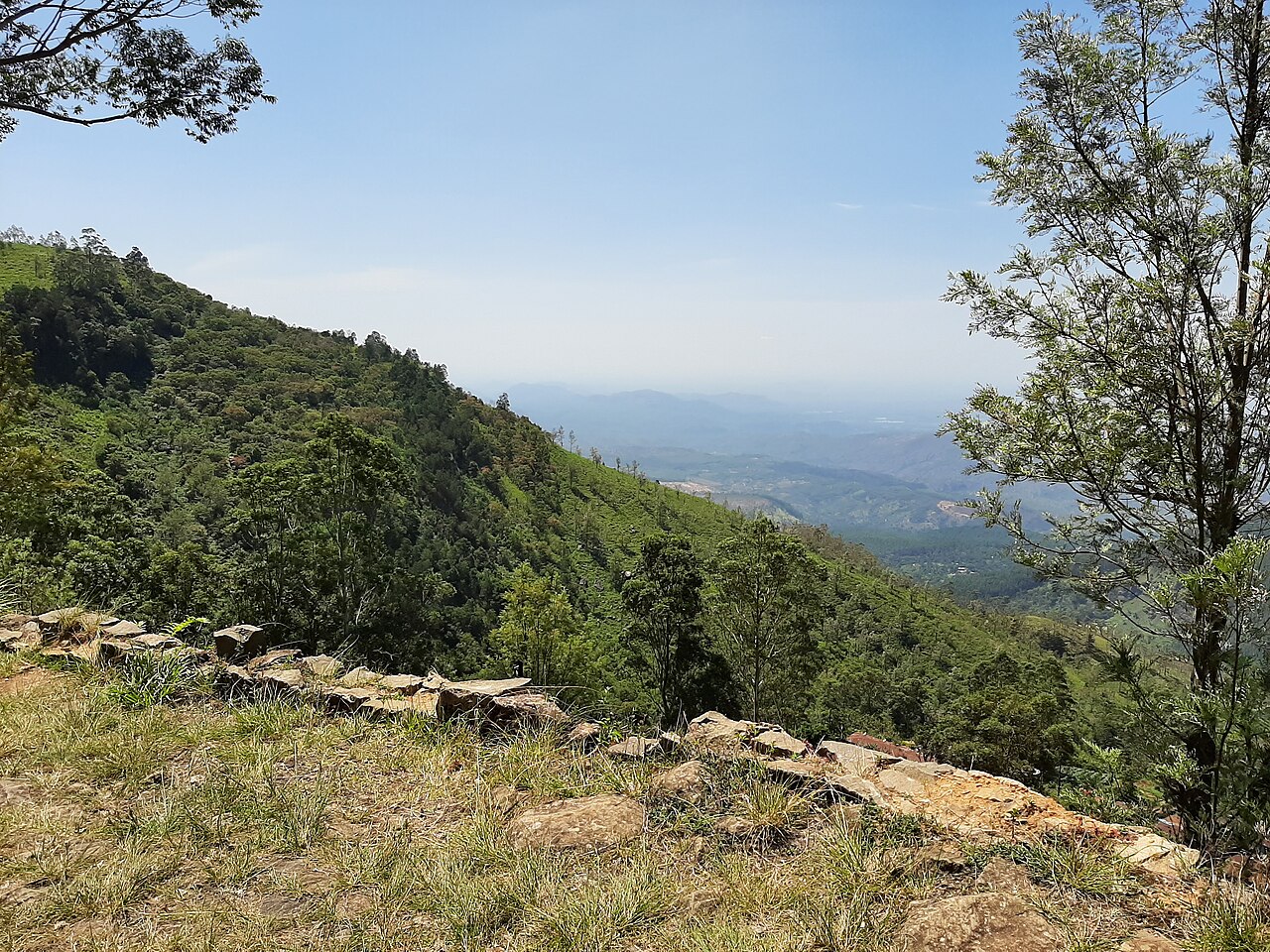
You have seen the photos: a raw gravel track cut into a tea-green mountainside, switchbacking up through the clouds until the valley below disappears. The Devil’s Staircase is the ride every motorcyclist in the Sri Lankan hill country eventually asks about — a rough, unmarked climb from the low tea valleys to the high plateau, and one of the great two-wheeled adventures on the island. Here is everything you need to know before you point a bike at it.
The short answer
Yes — and with the right bike and the right window it is one of the best rides in Asia. The Devil’s Staircase is a roughly 13-kilometre unpaved estate road that climbs from the Kalupahana valley, near Bambarakanda Falls, up to the tarred Ohiya–Horton Plains road at about 1,900 metres above sea level. On a capable machine — a 125cc commuter with decent tyres at minimum, an adventure or dual-sport bike ideally — the crossing takes two to four hours, and almost every minute of it is spectacular. The honest conditions: steep gradients, loose gravel, unmarked forks and sudden fog, so the bike, the season and the start time all matter. January to April is the dependable dry window; if you are riding in August, go early, before the afternoon rain turns the track to clay.
The Devil’s Staircase — roughly 13 km of raw estate road from the Kalupahana valley up to the Ohiya plateau. Photo: Chathushka96, CC BY-SA 4.0, via Wikimedia Commons
What’s worth doing
- The Staircase itself. This is the main event: a ribbon of gravel and clay that switchbacks through tea estates, past the famous “V Cut” — a channel carved through a hillside near the Udaweriya estate — and across a mountain stream that feeds Bambarakanda Falls. Allow two to four hours and stop often; the views back over the valley are the reward for every slow kilometre.
- Bambarakanda Falls, at the bottom. Sri Lanka’s tallest waterfall (263 metres) sits a short walk from the road near where the track begins. In the wet season it is thunderous; even in the dry months the cliff amphitheatre and plunge pool are worth the stop.
- The Ohiya–Horton Plains road. The tarred ridge road at the top of the Staircase runs through misty cloud forest to Horton Plains National Park — World’s End and Baker’s Falls are a half-day detour if you have the energy left after the climb.
- Lipton’s Seat, from Haputale. The famous viewpoint over the Dambatenne tea estate is about 30 minutes from Haputale town by bike, and the road up to it makes a gentle warm-up for the Staircase.
- A working tea factory. Haputale, Hatton and the estates around the Staircase all run visitor tours — a good way to understand the landscape you are riding through, and a decent rain-day backup plan.
Getting around
Base yourself in Haputale, the closest real town to the top of the Staircase, and ride the classic loop: Haputale → the B513 ridge road to Ohiya → down the Staircase to the Kalupahana valley → back via the A4 through Belihuloya. That loop is about 90–100 kilometres and fits comfortably in a day with an early start. The harder alternative is to approach from the bottom: take the A4 from Belihuloya to Kalupahana and climb the Staircase from the valley floor, which is steeper and slower but finishes at the Horton Plains road. Hatton, to the west, is the other practical base, and Nuwara Eliya works if you want to combine the ride with the plains — our getting around Sri Lanka guide has the wider transport picture.
Bike rental is easy and cheap: scooters run about $8–12 a day (not suitable for this road), 125cc commuters $10–15, and proper adventure bikes — dual-sports and Royal Enfield-style machines — $25–45 a day. Specialist outfits in Colombo and Negombo will deliver a bike to Haputale or Ella for a fee, which makes sense on longer rentals. You need an International Driving Permit with a motorcycle endorsement, and you will be asked for it at hill-country checkpoints. Helmets come with the rental — check the tyres before you leave, because a bald rear tyre on wet clay is the one thing that will actually ruin this ride. If you would rather not ride alone, guided multi-day motorcycle tours that include the Staircase run from roughly $200–350 a day all-inclusive, bike, guide, fuel and hotels.
What to budget
A self-guided Staircase day costs about $50–70 per person, all in. The breakdown: bike rental $10–15 for a 125cc or $25–45 for an adventure bike; fuel for the day’s loop about $4–5, since petrol sits around LKR 330–350 a litre; and meals $10–20 — a roadside rice-and-curry plate is $3–5 and a guesthouse dinner $8–12. Accommodation in Haputale and Nuwara Eliya runs $20–40 a night for a good guesthouse, $80–150 for a boutique stay, and more for the landmark properties. Optional extras: a local guide on a second bike, $30–60 for the day; Horton Plains entry, roughly $25–35, if you add World’s End; Lipton’s Seat, a couple of dollars. And set aside $50 for your ETA if your nationality does not qualify for the free 30-day tourist scheme introduced in May 2026 — our best time to visit guide covers the season logic in full.
WATCH OUT FOR
- Afternoon rain. Through the south-west monsoon, the western side of the Staircase gets regular afternoon downpours that turn the track into slick red clay. Start at first light and plan to be off the gravel by early afternoon.
- Sudden fog at the top. The plateau around Ohiya can close in to near-zero visibility in minutes, and the V Cut is no place to discover that. If fog rolls in, pull over and wait — it usually burns off within the hour.
- The fork at 8.5 kilometres. The left branch is about 3 kilometres shorter but significantly rougher — proper off-road territory. The right branch is longer but gentler. On street-tyred bikes, take the right.
- Stream crossings that grow. The crossing that feeds Bambarakanda is shallow in dry weather but can deepen fast after rain. Walk it first if you are unsure, and never cross alone in flood.
- Working traffic. Estate workers, tractors and the occasional truck use this road, and blind bends hide them. Ride the Staircase like a single track — slow in, wide vision, ready to stop.
- No services on the track. No fuel, no shops and patchy phone signal between the valley and Ohiya. Fill up in Haputale, Hatton or Belihuloya before you start, and carry water and a snack.
- The cold at altitude. Even in August the top of the ride sits near 1,900 metres, where cloud brings temperatures down to 10–15°C. A warm layer and a light rain shell are not optional on a motorcycle.
GOOD TO KNOW
- Season first, everything else second. January to April is the dependable dry window. Outside it, ride the morning, watch the forecast, and treat the weather as the boss.
- Direction matters. Descending from Ohiya is the easier, more popular line; climbing from Kalupahana is the full challenge and the bragging rights. Both work on a 125cc with good tyres.
- Unmarked forks are the real navigational risk. First-timers ride with a local guide on a second bike, or download the track offline before leaving Haputale.
- Book the bike a day ahead. Adventure bikes are few and the 125cc pool is deep. Tell the rental shop which road you are riding — the good ones fit tyres accordingly.
- Ohiya railway station sits right at the top. You can ride down the Staircase and train back to Haputale or Ella — the hill-country line passes through Ohiya daily, and the train journey itself is a highlight.
- Combine it with Horton Plains. The B513 from Ohiya to the park gate is tarred and spectacular; fit and early riders can do the Staircase and World’s End in one long day.
- Carry cash in small notes. There are no ATMs at Ohiya or Kalupahana, and the estate tea stalls do not break large bills.
- The V Cut photo stop. Stop before it, never on it — it is a one-lane channel and estate traffic uses it.
WHERE TO STAY
Every property below is backed by real guest reviews from the BYC database of 300,000+ verified stays, with scores out of 10.
- GlenMyu Estate, Haputale — the highest-rated stay on this route at 9.98/10 across 50 reviews: guests call it their favourite accommodation in Sri Lanka, and the reason appears in review after review — hosts Michael and Ruwanthi cook what travellers describe as the best food of their trip, much of it from the estate garden.
- Wishing Tree Boutique Resort, Haputale — 9.87/10 across 68 reviews, with the view doing the talking: one guest wrote that it has the “best view in the area,” and several admit they skipped Ella entirely to stay longer. A calm, scenic base above the valley.
- Mountain Paradise Bliss Guest House, Haputale — 9.73/10 across 210 reviews, the volume pick: reviewers describe “amazing value for top-quality accommodation in a spectacular location,” with owner Shan and the hill-view rooms earning particular praise — and it is one of the few guesthouses in town with a heater, which matters after a cold day at altitude.
- Thotalagala, Haputale — 9.64/10 across 33 reviews, the splurge: an 1876 planters’ bungalow near Lipton’s Seat where reviewers rave about the staff’s attention to detail — turn-down with hot-water bottles, walks arranged, everything anticipated before you ask.
- Private Villa by the Tea Estate, Nuwara Eliya — 9.76/10 across 264 reviews: guests describe arriving to tea, cake and a snack basket and being shown around the local plantation, with one review summing it up as “the true meaning of hospitality.” The right base if you are starting from the plains side.
The bottom line
The Devil’s Staircase is only 13 kilometres, but it will sit in your memory longer than almost anything else you ride in Sri Lanka. Take a capable bike, respect the weather window, and give yourself the morning — the reward is a climb through working tea country to a misty highland plateau that most visitors never see. Whether you descend from Ohiya or earn it from the valley floor, the hill country is waiting, and it rides even better than it photographs.
Have a specific question about your Sri Lanka trip?
Ask BYC at byc.lk — Free and honest. Some links are affiliate links and never change our advice.
Ask BYC Your Question →