Haputale Weather: Is This Misty Hill Town Worth the Trip?
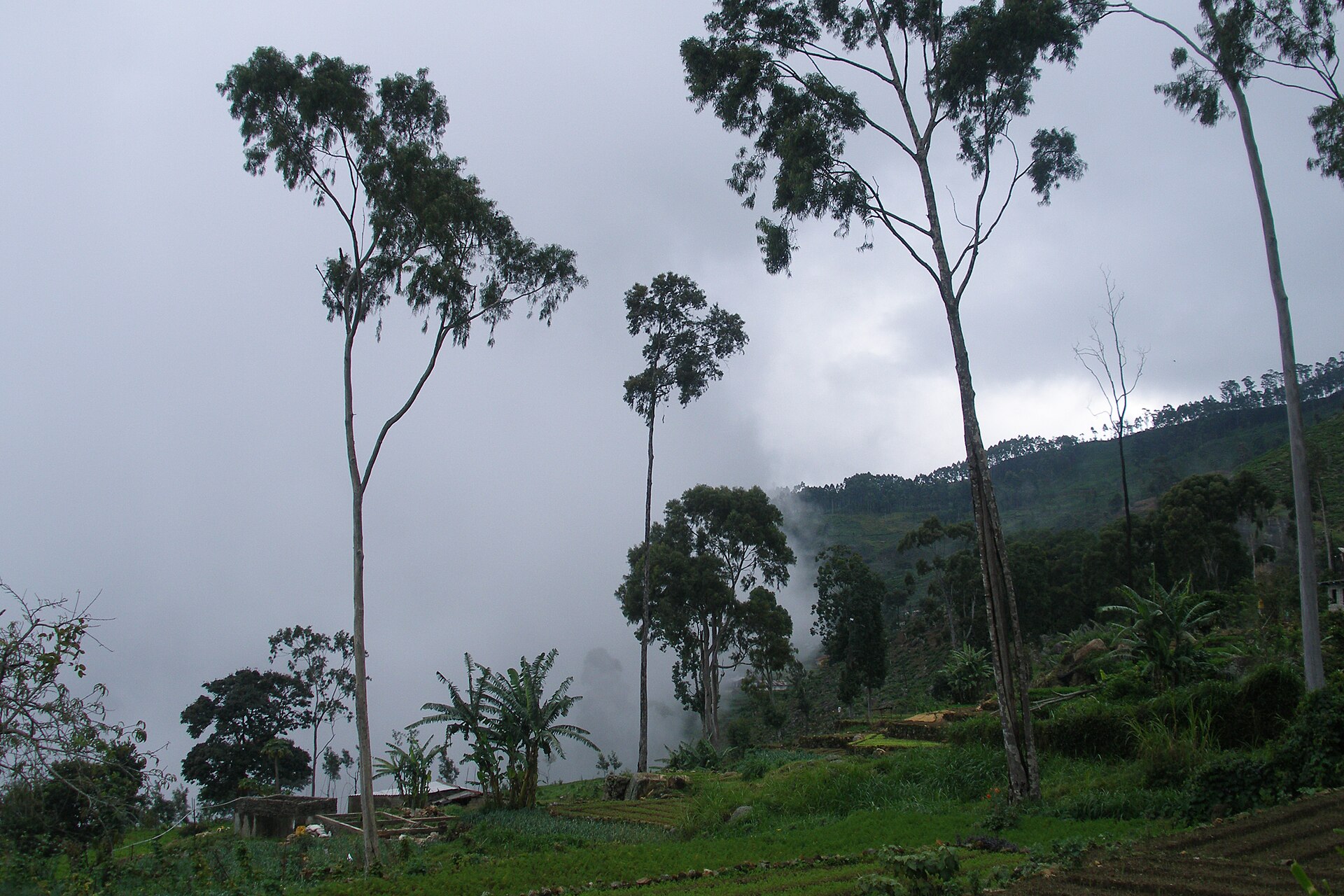
There is a moment in every Sri Lanka hill-country itinerary where a traveller looks at the map, sees the name “Haputale” sitting between Ella and the Horton Plains, and asks what they already suspect: what is the weather actually like up there, and is it worth the detour? It is a fair question, because Haputale does not market itself the way Ella does — no neon signs, no train-crowd selfie spots, no backpacker strip. What it has instead is something quieter: a ridge-top town at 1,431 metres where the cloud layer sits below your feet, the tea estates roll to the horizon, and the temperature behaves like an English autumn no matter what month you visit.
The short answer
Yes, Haputale is absolutely worth visiting — but go for the right reasons. It is not a beach town, not a party town, and not a place you need more than two nights. It is the single best base in Sri Lanka for one of the island’s great experiences — sunrise at Lipton’s Seat — and it delivers the hill country’s most dramatic scenery without Ella’s crowds or prices. The weather is cool and misty year-round: expect daytime highs of 18–24°C, nights that drop to 10–15°C, and a serious chance of fog from mid-morning. Pack a fleece, aim for December to March or June to September, and treat Haputale as a two-night pause rather than a full stop on your route.
What’s worth doing
- Sunrise at Lipton’s Seat. The island’s most famous viewpoint and the reason most travellers come. At 1,970 metres, the “seat” is where Sir Thomas Lipton used to survey his empire, and on a clear dawn you can see the south coast 80 kilometres away. Leave Haputale by 5:15–5:30am, watch the sun burn the mist off a thousand metres of tea terraces, and you will understand why the 7-kilometre gravel road up from the Dambatenne factory is one of the most popular pre-dawn drives in the country. Entry is roughly LKR 550 per foreign adult, cash only.
- Dambatenne Tea Factory. Built in 1890 and still operating, this is the working factory behind Lipton’s global tea empire. A guided tour (LKR 350–500) walks you from plucked leaf to packed box — withering troughs, rolling machines, the smell of fresh tea filling the sorting floor. Tours run through the morning and early afternoon; the shop sells estate tea at prices far below Colombo tourist boutiques.
- Adisham Bungalow. A storybook Tudor-style manor built in 1931 by a British planter and now a Benedictine monastery, about 4 kilometres from town. The gardens alone are worth the trip — rose beds, tall pines, mist rolling over the lawn — and the interior is a perfectly preserved time capsule of colonial hill-country life. Entry is about LKR 150. Because it is a working monastery, opening days vary; check before you plan around it.
- Diyaluma Falls. At 220 metres, Sri Lanka’s second-tallest waterfall, about an hour’s drive from Haputale. The highlight is the natural infinity pools at the top of the falls — a short hike from the upper car park gets you swimming right at the lip, with the escarpment dropping away below. Bring swimmers and go after rain for full flow.
- Walking the tea estates. Haputale’s real luxury is free: hundreds of kilometres of plantation paths. A two-hour wander from town towards the Dambatenne road takes you past tea pluckers at work, tiny estate schools, and viewpoints over the Uva basin. No guide needed — just follow the paths and let the mist do the atmosphere.
Getting around
Haputale sits right on the main hill-country rail line, which makes it easy to reach and easy to leave. The classic approach is the train from Ella: the line between Ella and Haputale runs 4–5 times a day, takes roughly 55 minutes, and costs just LKR 100–300 for 2nd or 3rd class (LKR 400–600 for the observation car, which sells out early — book the day before). From Colombo Fort the train takes 5–6 hours through the same scenery; from Kandy it is about 4–5 hours via Nanu Oya or Ella.
By road, a private car with driver from Ella is about 30–40 minutes and LKR 5,000–7,000 (US$17–24); from Colombo expect a 4.5–5 hour drive costing roughly US$90–100. Buses are the budget option: the Ella–Haputale bus runs every 30–60 minutes, takes about 30–45 minutes, and costs LKR 100–200; direct buses from Colombo take around 5 hours for LKR 600–1,000. Within town, tuk-tuks are the workhorse — LKR 200–400 for short hops, LKR 1,200–1,800 return to Lipton’s Seat with waiting time (agree the price and the wait upfront). What to avoid: driving yourself up the Lipton’s Seat road in the dark if you are not confident on narrow, misty mountain gravel — and never rely on a phone map for the plantation paths, which look identical in fog.
What to budget
Haputale is genuinely inexpensive — noticeably cheaper than Ella for the same standard of stay. A realistic daily spend per person:
- Accommodation: US$12–25 for a clean guesthouse with valley views and breakfast; US$40–70 for a comfortable mid-range hotel; US$120–200 for a heritage estate bungalow. Two nights is the sweet spot.
- Meals: US$2–4 for a rice-and-curry plate at a local eatery; US$5–10 for a full dinner at a guesthouse or small restaurant. Breakfast is usually included with your room. Budget US$10–15 a day for food.
- Activities: Lipton’s Seat entry plus tuk-tuk return runs about US$8–12 total; the factory tour US$1.50–2; Adisham under US$1; Diyaluma with a shared driver US$15–25. Allocate US$25–35 for a full activity day.
- Transport: US$2–5 for local buses and tuk-tuks on a normal day, or US$5–10 if you are doing Lipton’s Seat plus town errands.
All in, a comfortable two-night visit costs roughly US$130–190 per person including everything — which makes Haputale one of the best value stops on any Sri Lanka route. Carry cash: most guesthouses, all tuk-tuk drivers, and the Lipton’s Seat ticket booth work in rupees only, and the nearest reliable ATM is in town, not up the mountain.
WATCH OUT FOR
- The fog is not a bug, it is the schedule. Haputale’s views are a morning-only show. From around 10am the cloud rolls up the valleys and Lipton’s Seat becomes a white room. If you sleep in, you have missed the reason you came — sunrise is non-negotiable.
- It gets genuinely cold. 10–15°C at night feels cold after a week on the coast, and few budget guesthouses have heating. Pack a fleece, long trousers and warm socks; ask about hot water before you book, because some budget rooms rely on solar.
- Cash discipline. The Lipton’s Seat ticket counter, Dambatenne tours, and most tuk-tuk drivers take cash only. Withdraw in Haputale town the evening before your sunrise trip — there is no ATM at the top of the mountain.
- Tuk-tuk price confusion. “LKR 800 up, LKR 800 down” is a common quote that quietly becomes more once you are at the gate. Agree the full return price, including waiting time at the viewpoint, before you set off — it should be LKR 1,500–2,000 all-in.
- Monsoon timing. The hill country’s wettest stretch runs October to November, when Lipton’s Seat can be fogged in for days at a time. June to September is drier in the hills than on the coasts — a useful swap if you are travelling in the southwest monsoon season.
- Estate dogs. Plantation paths are dotted with friendly-but-territorial dogs. Walk with a stick if you are nervous, and never run — running triggers the chase instinct.
GOOD TO KNOW
- Best months: December to March is peak clarity — crisp air, open views, cool nights. June to September is the second window, with less rain than the coasts. Avoid October–November unless you love dramatic fog.
- Book the observation car early. The Ella–Haputale train is short but spectacular, and the reserved observation carriage fills up a day ahead in high season. Ask your guesthouse to book it for you.
- Two nights, not one. Day one: arrive, walk the estates, Adisham. Day two: Lipton’s Seat at dawn, factory tour, Diyaluma in the afternoon. One night forces you to skip something.
- Ella is 40 minutes away. If the weather closes in on Haputale, the train to Ella makes an easy same-day escape — the scenery between the two towns is the best 55 minutes on the whole line.
- Altitude awareness. At 1,400–2,000 metres, the sun is stronger than it feels. Sunscreen on a cool, cloudy morning is not optional — reviewers regularly mention burning at Lipton’s Seat without noticing.
- Local food is the sleeper hit. Haputale’s small eateries serve some of the best rice and curry in the hills, at prices Ella stopped charging years ago. Ask your host where they eat, not where the guidebook sends you.
WHERE TO STAY
Haputale’s accommodation scene is small but characterful — mostly family guesthouses with big views and honest prices. The standout options in our guest review data:
- The Mist Holiday Bungalow. The most consistently praised guesthouse in town — reviewers call it “the perfect place to relax and recover” after a day on the trail, with warm family hospitality and a balcony view over the valley that guests photograph at every hour of the day.
- White Monkey Dias Rest. A budget favourite where guests rave about the home-cooked Sri Lankan meals — several reviews single out the family owners going “above and beyond” with early breakfasts packed for Lipton’s Seat sunrise trips.
- Kelburne Estate. A restored colonial estate bungalow on a working tea property, rated the top speciality lodging in Haputale. One recent review sums up the consensus: “stunning location and views above Haputale, food superb, cottage a delight, staff excellent” — with a log fire for the cold nights.
- Thotalagala. The splurge pick — a beautifully restored planter’s bungalow where travellers praise the “warm and inviting” atmosphere, the infinity pool, and the tea tastings on the veranda. Book well ahead; it is small and genuinely special.
The bottom line
Haputale is the hill-country stop that rewards the traveller who slows down: a cool, misty, inexpensive town with one of Sri Lanka’s great sunrises at its doorstep and the best train scenery in the country running past its station. Two nights here — dawn at Lipton’s Seat, a factory tour, a long walk through the tea — will sit among the most memorable days of any Sri Lanka trip. Go for the weather that most travellers worry about, and you will leave knowing exactly why the mist is the point.
Have a specific question about your Sri Lanka trip?
Ask BYC at byc.lk — Free and honest. Some links are affiliate links and never change our advice.
Ask BYC Your Question →