Is Sinharaja Rainforest Worth Visiting? The Honest 2026 Answer From 2,980 Guest Reviews
You have the whole south coast booked, two nights in Ella pencilled in, and a note on your phone that reads “rainforest?” — because somewhere between the beaches and the tea hills, Sri Lanka hides a 8,864-hectare scrap of the ancient world. What you did not expect was the planning tax: five gates, a compulsory guide, leeches, and roads that turn a 30 km hop into ninety minutes. So: is Sinharaja genuinely worth a whole day of a short trip, or just another name that sounds better on the poster than in the itinerary?
We put that question to the evidence. Across 2,980 verified guest reviews of stays in and around the reserve, the guest score comes out at 9.15 out of 10 — higher than Sigiriya or Ella. The people who make the trip do not regret it; they just wish someone had told them how to plan it. This is that briefing.
The short answer
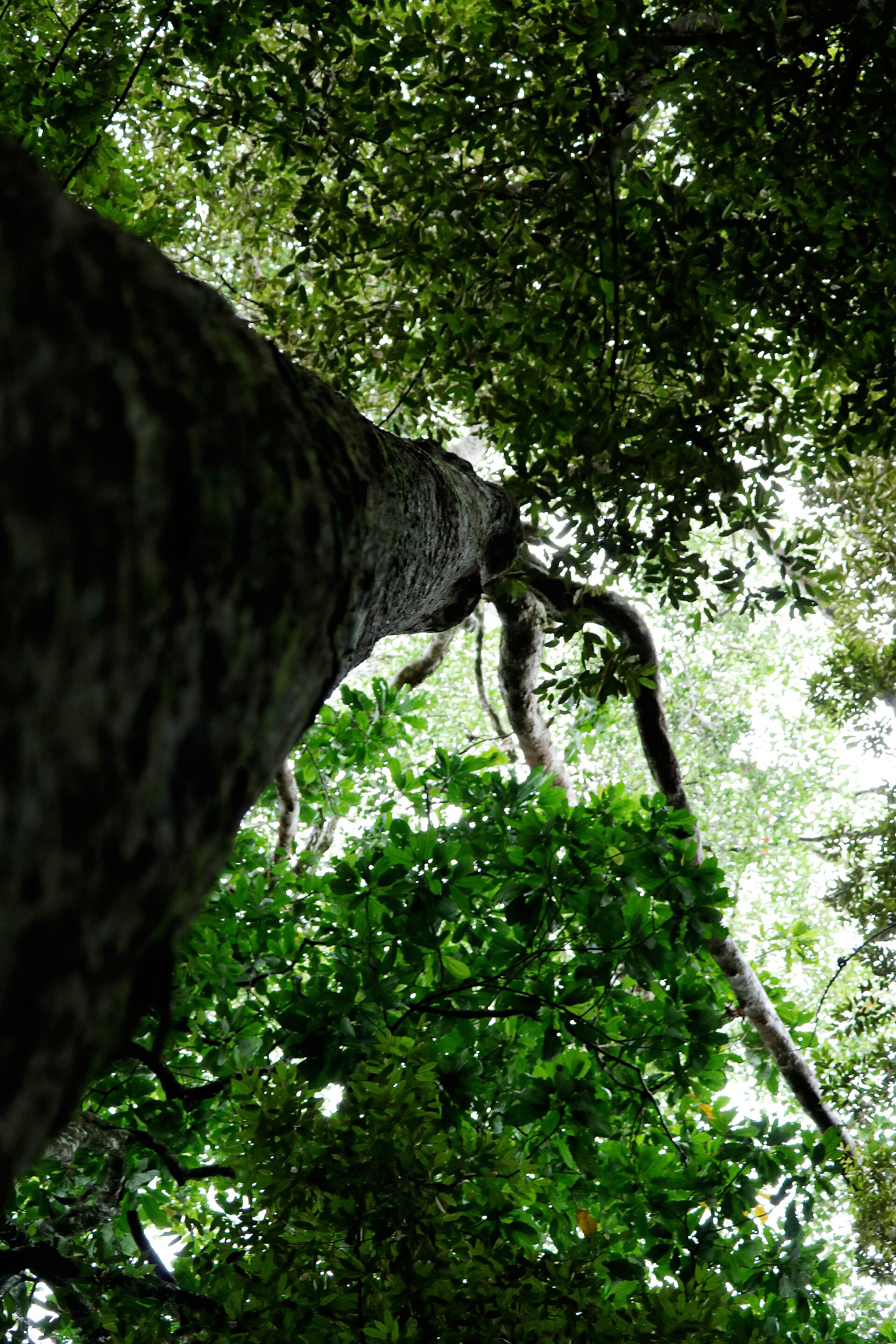
Yes — Sinharaja is worth visiting, and it is one of the very best things to do in Sri Lanka for a certain kind of traveller. It is the island’s last major stand of primary lowland rainforest, a UNESCO World Heritage Site, and the richest place in the country for endemic birds, frogs and the deep, layered green that lowland jungle does better than anywhere else. It is not a theme park or a waterfall photo stop: it is a wet, humid, muddy forest reached by slow roads, and it rewards patience over checklists. If you love nature, birds, or the feeling of standing in genuinely old forest, it is worth two nights and a full day, and guests consistently describe it as a highlight of their trip. If you want a scenic hour with a car park and a café, it is not for you — and that is fine. The honest version: come for the forest, not for a photo.
What’s worth doing
Sinharaja is not a single sight so much as a set of experiences that depend on the gate you choose and the guide you hire. Here is what earns its place.
- The guided forest walk — the core experience. Every visitor enters with a licensed guide; it is mandatory, and not a formality. The trail network is dense and barely signposted, and the guide is what turns a green tunnel into a living ecosystem. A good one finds the mixed-species bird flocks that move through the canopy in waves, points out the endemic red-faced malkoha or Sri Lanka blue magpie, and reads the forest floor for frogs and lizards. The two most-used entrances are Kudawa on the north-western edge (gentler slopes, the easier introduction) and Pitadeniya near Deniyaya on the south-eastern side. Expect 2–4 hours of walking; the main trail is about 3 km, and routes toward Sinhagala or the waterfalls add real distance and climbing.
- A night walk or dawn walk with your guide. This is what guests describe most enthusiastically and most people never plan for. The forest after dark is a different place — frogs, nightjars, insects you did not know existed. Several lodges arrange both night and early-morning tours, and reviewers call them the best-value part of the stay. Ask your accommodation the day before.
- The waterfalls and the swimming holes. Both sides of the reserve hide falls reachable on guided walks; the Pitadeniya and Lankagama entrances are especially known for them. Some have pools good for a cool dip, but treat every pool with respect — rain upstream turns calm water dangerous quickly, and swimming is unsupervised.
- Birding in earnest. Over 95% of Sri Lanka’s endemic birds occur here. Carry binoculars and go early and Sinharaja will out-deliver almost anywhere else on your route; serious birders plan two mornings.
- The quieter gates. For higher-elevation terrain, waterfalls and far fewer people, the lesser-used entrances near Deniyaya (Kurulugala, Morningside, Lankagama) offer trails most tourists never see. They take a driver who knows the turnings, but deliver the solitude the main trail no longer can.
Getting around
The most important planning fact about Sinharaja is that there is no public transport to the forest edge, and the roads are slow. Distances that look trivial on the map take far longer than you expect. Plan around a vehicle, not a bus.
- From Colombo by road. The Kudawa gate is roughly 155 km south of the capital; allow 4–4.5 hours via the Southern Expressway (E01) to Welipenna, then inland through Kalawana. The Deniyaya / Pitadeniya approach takes a similar time via Akuressa. The final stretch on both routes narrows and winds; a four-wheel-drive vehicle is strongly advisable, especially in the wet months. Expect roughly USD 70–110 for a private car one way.
- By public transport, honestly. Take a bus from Colombo to Ratnapura, Rakwana or Deniyaya, then hire a tuk-tuk for the last leg to the gate — typically LKR 200–500, more out to Kurulugala or Lankagama. It is cheap but slow, and doing it as a day trip from Colombo is a mistake: you arrive when the birds have gone quiet.
- Local tuk-tuk day hire. Around the gates, a tuk-tuk for a day of local transfers and waterfall-hopping runs roughly USD 12–20. Agree the total, including waiting, before you set off.
- Entry and guide costs. Separate from transport. Foreign adults pay roughly USD 15–22 per person per day for reserve entry, and a registered guide is mandatory at around LKR 2,500 per group per day (up to about six people). Bring cash in small notes; splitting the guide between a group drops the per-person cost sharply.
- What to avoid: do not try to reach Sinharaja and complete a forest walk from Colombo in a single day — it is a schedule-killer; do not accept an unlicensed “guide” who approaches you at the trailhead (legitimate ones are registered and arranged through the Forest Department or your accommodation); and do not assume the last stretch of road is fine in any vehicle — in monsoon, low cars struggle and 4WDs earn their price.
What to budget
Sinharaja is not a budget black hole, but the entry fee, the mandatory guide and the private vehicle add up. An honest per-person breakdown for a rainforest day, excluding your main trip transport:
- Accommodation: lodges and guesthouses around the gates run roughly USD 20–45 a night for a good double with breakfast; a handful of eco-lodges sit at USD 50–90. This is farmland-and-forest pricing, not coast pricing, so it is genuinely good value.
- Meals: USD 6–12 a day is easy, and the best-rated properties here cook excellent home food — rice and curry, hoppers and enormous breakfasts that reviewers single out by name. Many guests simply eat dinner in.
- Reserve entry: roughly USD 15–22 per adult per day, plus a mandatory guide at about LKR 2,500 per group. Budget USD 18–25 per person all-in for entry and guide if you are not sharing, less in a group.
- Activities: a night walk and a dawn walk typically add a modest fee per person; budget USD 10–20 for the two — the best money you spend here.
- Local transport: a tuk-tuk day around the gates USD 12–20; the long private transfer in and out is the other big-ticket item.
A realistic two-night stop, including one full forest day with night and dawn walks, lands around USD 120–200 per person on a private-vehicle basis — less if you share the car and guide. Treat every figure as a close estimate; Sri Lankan prices move and park fees are revised periodically. Last updated: October 2026.
WATCH OUT FOR
- Leeches — and the fact that they are normal. This is a real rainforest and leeches are part of it, especially after rain. Leech socks worn over trouser cuffs are the single most practical purchase before the trip, and they are cheap; long trousers, closed shoes and a little salt or repellent settle the matter.
- Rain, at any time of year. Sinharaja gets rain from both monsoons and has no truly dry season. Even in the driest windows, expect mud, humidity and at least one sharp shower each day. Pack a light poncho, a dry bag for electronics, and quick-drying clothes.
- Trails that are harder than they look. The main path is muddy, rooty and uneven, and the more ambitious routes involve real climbing. Wear proper grip or waterproof trail boots, not sandals; a rainforest hour is slower than a beach hour.
- Water and wildlife safety. Swimming in forest pools is unsupervised and dangerous when rain upstream raises the water without warning. Never swim alone, watch the colour and volume of the water, and keep clear of wet rocks and the tops of falls. Be sensible around anything you cannot identify — your guide will know.
- Guides who materialise at the gate. Someone may join you uninvited and then ask for a fee. The legitimate guide system is registered; book yours through your accommodation or the Forest Department, at an agreed price, rather than being ambushed on the trail.
- Assuming you can do it as a day trip. The most common planning error. The roads are slow and the gates remote; the forest deserves a full day plus a night on each side. Cramming it into a transfer day means arriving hot, rushed and late.
- Cash and connectivity. Card acceptance and reliable ATMs are thin around the gates; carry enough rupees for entry, guide, tuk-tuks and meals. Mobile signal fades in the forest and valleys.
GOOD TO KNOW
- When to go. The most practical windows are August–September and January–early March, when rainfall is at its relative ebb. There is no dry season, but for the best odds of a mostly dry walk, aim for those months. Check the wider island picture with our monsoon season guide.
- How long. Two nights with one full forest day is the sweet spot. One night feels rushed; two gives you a dawn walk, a day walk and a night walk.
- Go early. The birds are busiest in the first two hours of light and the forest is coolest then. An early start is worth more than any piece of gear.
- Bring the right kit. Book your guide and room ahead in high season, and confirm the current entry tariff and guide fee before you travel — fees are revised periodically. Pack waterproof trail shoes, leech socks, long sleeves in muted colours, at least 1.5 litres of water per person (there are no vendors inside), binoculars, a compact torch and rain gear.
- Pair it with the hills. Sinharaja fits naturally onto a route between the south coast and the hill country. Our full Sinharaja verdict goes deeper on the gates and seasons, and the overrated vs underrated study shows why this forest out-scores the famous names.
WHERE TO STAY
The guesthouses around the gates are the reason the review score here is so high — small, family-run places where the host is the experience. Five stand out, each for a specific, review-backed reason.
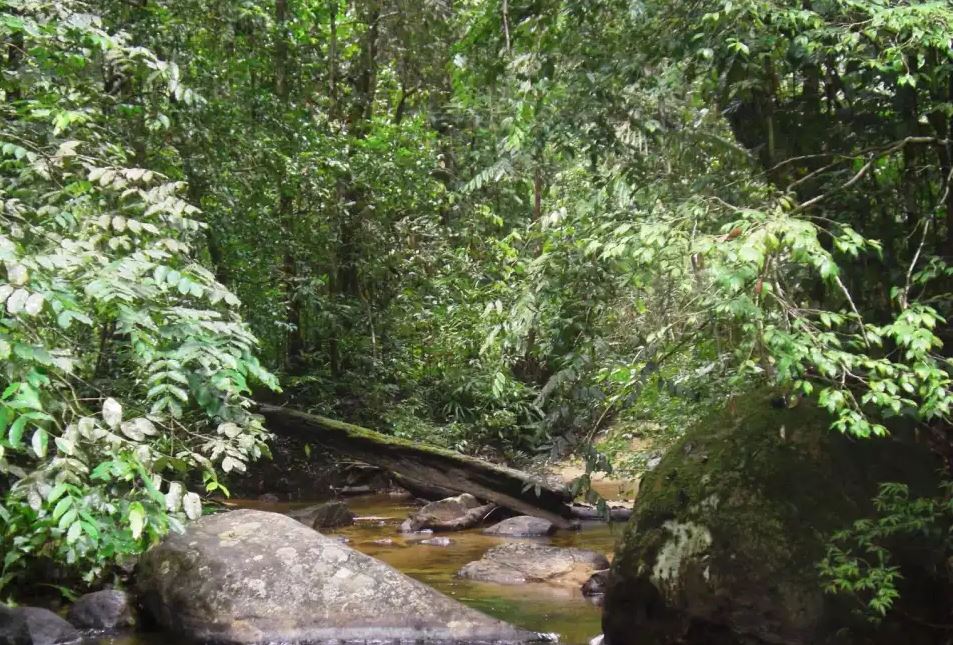
- Rainforest Nest — 9.90/10 from 175 reviews. The highest-rated stay in our Sinharaja sample. The recurring theme: the hosts, described by name, are “entirely dedicated” to their guests’ wellbeing, and the balconies look straight into the rainforest edge so you watch wildlife from your own room. Recent guests from France and Germany (September 2026) call the welcome immediate.
- Rainforest Border Edge — 9.80/10 from 106 reviews. The one to book if you want the tours to be the centrepiece. Reviewers repeatedly credit the host’s day and night rainforest tours as the best part of their stay, alongside home cooking one guest called evidence of “the best stay we had in Sri Lanka.”
- Natural Mystic Sanctuary — 9.58/10 from 93 reviews. Praised for the setting and the food: guests describe being surrounded by the sounds of nature, clean rooms, and the best food of their trip, with owners who arrange both tours and onward transport.
- Healand Holiday Bungalow and Restaurant — 9.68/10 from 87 reviews. The best-reviewed option for a comfortable, well-run base with a pool and a restaurant, praised for kind, English-speaking hosts and large, clean rooms.
- Rainforest River Bay — 9.81/10 from 90 reviews. The location play: reviewers rave that it sits close enough to the reserve that you can reach the forest easily when your tour starts, and the hosts take exceptionally good care of guests, with dinner at the property singled out.
Two practical notes straight from the reviews. First, these properties book out in the best months and around long weekends, so reserve ahead. Second, bathrooms and water pressure vary in the smaller places — read the room details, because a few of the cheapest listings have basic outdoor or shared facilities, fine once you know it and jarring if you do not.
The bottom line
Sinharaja is the rare destination that exceeds its own reputation: a genuine piece of Gondwanan rainforest, the best birding in Sri Lanka, and a bench of tiny family-run lodges that out-score almost every famous hotel on the island. It asks something in return — a slow, winding drive, a compulsory guide, leech socks and rain — and every traveller who pays that price writes about it the same way. Give it two nights, an early alarm and a good guide, and it will be the day you remember longest.
Last updated: October 4, 2026. Costs, seasons and entry fees are 2026 figures and can change; confirm with your operator or accommodation before travel.
Have a specific question about your Sri Lanka trip?
Ask BYC at byc.lk — Free and honest. Some links are affiliate links and never change our advice.
Ask BYC Your Question →