Is Sri Lankan Street Food Safe? What to Try (2026 Guide)
Is Sri Lankan Street Food Safe — And What Should You Actually Try?
You have just landed, the driver has dropped you near a market, and in front of you a man is hammering a blade through a pile of flatbread on a hot iron griddle. It smells extraordinary. It also looks nothing like the food you eat at home. The two questions in your head at that moment are always the same: will this make me ill, and what do I order? Both have clear, practical answers — and they come from the 363,148 real guest reviews behind BYC.
Sri Lanka is one of the great street-food cultures of Asia. Rice and curry, hoppers, kottu roti, and a rolling menu of short eats are cheap, filling and deeply regional, cooked in front of you by people who have been making the same dish for years. The trick is not to avoid it — it is to know which stalls to trust, which dishes to start with, and how to eat well on a few dollars a day.
The short answer
Yes, Sri Lankan street food is safe for the great majority of travellers, provided you follow two simple rules: eat where the food is cooked fresh and hot in front of you, and eat where local people are queueing. Food that is fried, boiled or slapped onto a griddle seconds before it reaches you is reliably safe; food that has been sitting lukewarm under a lamp for hours is the thing to skip. Across 363,148 guest reviews, mentions of hygiene in a positive context outnumber complaints by a wide margin, and the recurring theme in the negatives is not the street — it is buffet food left standing at hotels. Start with rice and curry or a fresh kottu, drink sealed water and king coconut, and you will almost certainly be fine. For the pickiest stomachs, note that Sri Lanka's tourist restaurants overwhelmingly cook to a mild, tourist-friendly standard if you ask.
What's worth eating
- Rice and curry. The national dish and the best first meal. You get a mound of rice and five to eight small dishes: dhal, a vegetable curry, a coconut sambol, a pickle, sometimes a papadam, and usually a meat or fish curry. It is served everywhere from roadside kitchens to homestays, costs LKR 500–1,500 (roughly USD 1.70–5), and the dhal is almost always mild. This is the dish that appears most often in guest reviews as the meal people remember from their trip.
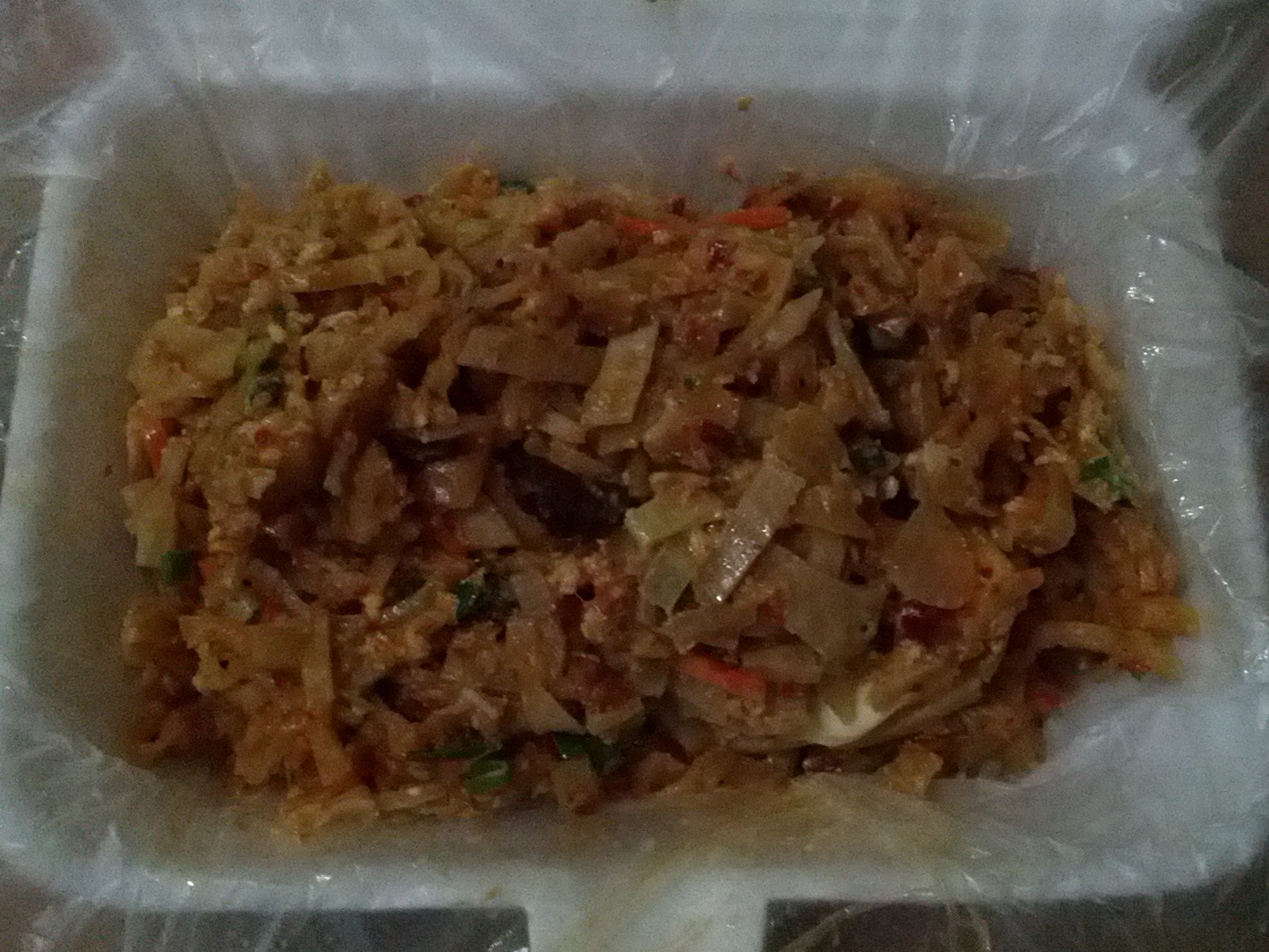
- Kottu roti. The performance dish. A cook chops godamba roti with vegetables, egg and your choice of chicken, cheese or seafood on a hot steel plate, using two blunt blades that clatter like a drum kit. It is theatre and dinner at once, costs LKR 700–2,000 (USD 2.50–7), and reviewers who grew up with it say the best versions come from the busy stalls where the blades never stop. Kottu is chopped fresh in front of you, which is exactly why it is one of the safest street picks.
- Hoppers (appa). Bowl-shaped fermented rice-flour pancakes with lacy, crisp edges and a soft, spongy centre. Plain hoppers are about LKR 100–200 (USD 0.30–0.70); an egg hopper, with a soft egg cracked into the middle, runs a little more. They are made to order on a small wok over a flame, so you see the whole process. Best as breakfast or a late-evening snack.
- String hoppers (idiyappam). Steamed nests of thin rice-flour noodles, served with dhal and a coconut sambol, usually at breakfast. Light, mild and a good entry point if heavy food sits badly in the morning heat.
- Short eats. The Sri Lankan answer to tapas: fried parcels, fish cutlets, rolls, samosas and stuffed rotis sold by the piece at bakeries and street carts. A handful for under USD 1. Excellent for a bus ride or an afternoon slump.
- Fresh seafood. On the coast — Mirissa, Negombo, Trincomalee, Tangalle — fish and prawns are grilled or curried within hours of landing. Reviews from coastal stays mention seafood as a highlight far more than any other category. Ask the price per kilo before you commit, and confirm whether it is grilled or curried, because the two are billed differently.
- Tropical fruit and king coconut. Mango, papaya, pineapple, passionfruit and banana are cheap and everywhere. A king coconut (thambili) cut open at the roadside is your safest, most refreshing drink on a hot day for around LKR 150–250.
- Tea, curd and treacle. Hill-country tea everywhere; buffalo curd with kitul treacle for dessert. Simple, local, and virtually risk-free.
Getting around
Street food is a walking-and-tuk-tuk affair, and that shapes how you find the good stuff. Markets, bus stands, railway stations and town junctions are where the busiest stalls cluster, and a tuk-tuk can get you to a night market for USD 1–3 in most towns. Here is what to budget for transport specifically around eating out:
- Short tuk-tuk hops within town: LKR 300–600 (USD 1–2). Always agree the fare first, or ask for the meter — and read our tuk-tuk price guide before you get in.
- Cross-town for a known night market: LKR 500–1,200 (USD 1.70–4).
- Avoid: buying your first meal at the airport or a hotel buffet. Both cost five to ten times street prices for food that is often the least fresh you will eat all week — the reviews are consistent on this.
- Do: follow the crowd. If a stall has a line of local workers at 6pm, that is your signal. If it is empty and the food is pre-plated, walk on.
What to budget
This is where Sri Lanka wins. Eating street food and local food is genuinely cheap, and a day of excellent eating costs less than one tourist-menu dinner.
- Breakfast: hoppers or string hoppers plus tea, LKR 400–800 (USD 1.30–2.70). Hotel breakfasts, if included, are free — and across 24,933 positive breakfast reviews in the corpus, they are one of the most praised features of a Sri Lankan stay.
- Lunch: a rice-and-curry plate, LKR 500–1,500 (USD 1.70–5).
- Dinner: a fresh kottu or seafood curry, LKR 700–2,000 (USD 2.50–7); more for a sit-down seafood dinner on the coast.
- Snacks and drinks: LKR 300–700 (USD 1–2.30) for short eats, fruit and a king coconut or two.
- Realistic daily total on local food: roughly USD 6–12 if you eat where locals eat, and USD 12–20 if you mix in tourist restaurants. Compare that with our full Sri Lanka cost guide, where street eating is consistently the single biggest lever on your daily spend.
Watch out for
Almost all street-food trouble in Sri Lanka comes from a handful of avoidable patterns, never from the cuisine itself. Watch for these:
- Food sitting warm, not hot. The most common mistake. Rice and curries held at room temperature for hours are the classic culprit. Prefer dishes cooked to order — kottu, hoppers, grilled seafood, fried short eats.
- Ice in drinks. Ask for your drinks without ice unless you are confident the ice is made from treated water. Sealed bottles, cans and king coconuts are always the safe bet.
- Raw salads and unpeeled fruit from open stalls. Fruit you peel yourself is safe; pre-cut fruit sitting in the heat is not worth the risk.
- Water. Drink only sealed bottled or boiled/filtered water. Carry a refillable bottle and top up at your accommodation. This alone removes a large share of stomach trouble.
- Over-ordering chilli on day one. Many travellers mistake a stomach upset from unfamiliar heat and oil for "bad food". Ease in; your body adjusts within a couple of days.
- The one meal that actually goes wrong. When reviewers do mention getting unwell, it is disproportionately a hotel buffet that had been out for hours — not a street stall. Judge food by freshness, not by the premises' price tag.
Good to know
- Timing is everything. Street food peaks at breakfast (6–9am, hoppers and string hoppers) and in the evening (5–9pm, kottu and short eats). Lunchtime rice-and-curry kitchens fill fast around 12.30pm and run out by 2pm.
- Poya days and Fridays shift things. On full-moon Poya days some stalls close and alcohol is off-sale island-wide, but food stalls generally stay open.
- Vegetarian and vegan travellers eat extremely well. Dhal, vegetable curries, coconut sambol, hoppers and fruit are everywhere and naturally plant-based — see our vegetarian and vegan guide for how to order without confusion.
- Spice can be dialled down. Ask for it "not spicy" (or "tikak thamai" if you want a little) and kitchens will adjust. Our guide to spice levels explains what to say.
- Carry small notes. Street vendors rarely have change for a LKR 5,000 note. Keep LKR 100s, 500s and 1,000s handy.
- Cash, not card. Almost no street vendor takes a card. Budget cash accordingly.
- Wash hands or carry sanitiser. Simple, and it works.
Where to stay
The best street-food access comes from staying where the eating happens — inside town, near the market, run by people who cook for guests themselves. These picks are drawn from and justified by the review corpus.
- Winwood Ella — 9.54/10 from 533 reviews. The food reason: reviewers repeatedly single out the family's "awesome local breakfast" served outside surrounded by nature, and staying with a family that cooks is the single best way to taste real Sri Lankan home food rather than a tourist-menu version of it.
- il Frangipane (Sigiriya) — 9.45/10 from 834 reviews. The food reason: guests describe the breakfast as "amazing" and the location as walking distance from good local restaurants, giving you both a strong in-house meal and easy access to Sigiriya's own eating scene.
- No 05 Middle Street (Galle Fort) — 9.56/10 from 378 reviews. The food reason: a reviewer calls the Sri Lankan breakfast here "probably one of my favourite meals of our trip", which is exactly the local-food experience you want inside the Fort's dense street-food and café cluster.
- Oltremare Mirissa — 9.30/10 from 394 reviews. The food reason: guests repeatedly call the breakfast "fantastic" with "good choices", and its Mirissa location puts you minutes from the south coast's best fresh seafood.
- Villa Dominikku (Negombo) — 9.83/10 from 699 reviews. The food reason: reviewers highlight a "delicious breakfast" and hosts who go out of their way to help, making this the ideal first- or last-night base near the airport before you dive into the street-food scene.
The bottom line
Sri Lankan street food is one of the island's great pleasures and one of its best-value experiences — safe when you follow the freshness rule, and far cheaper than the food you would eat at home. Learn four dishes, trust your eyes at the griddle, keep to sealed water and peeled fruit, and you will eat better for less on this trip than almost anywhere else in Asia. Come hungry.
Last updated: October 9, 2026. Prices are 2026 figures and can change; confirm before you travel.
Have a specific question about your Sri Lanka trip?
Ask BYC at byc.lk — Free and honest. Some links are affiliate links and never change our advice.
Ask BYC Your Question →