Tissamaharama: Sri Lanka’s Best-Value Yala Safari Base
You have booked the safari, slept badly because the alarm is set for 4:15am, and now you are standing in the dark outside a guesthouse in a town whose name you keep mispronouncing. Somewhere past the paddy fields a leopard is doing whatever leopards do before sunrise, and in ninety minutes a jeep will take you to look for it. Tissamaharama is the town that makes that morning possible — and the one most travellers drive straight through on the way to somewhere they think is more interesting.
Here is what it is actually like to use it as your base, what it costs in 2026, and why it quietly out-scores the famous park next door in the guest data.
The short answer
Tissamaharama is the best-value safari base in southern Sri Lanka, and it is worth a night or two in its own right. It sits 20–30 minutes from the Yala gates, it holds the town’s own ancient lake and stupa, and its accommodation across 4,074 guest reviews averages 9.03/10 — higher than Yala National Park itself (8.69) and higher than Galle (8.70) or Ella (8.82). You come here for the safari, but you stay because the town is calm, cheap and genuinely pleasant, with real food, reliable ATMs and a lake full of birds a five-minute walk from your room.
One clear caveat: “Tissamaharama” on a booking page is a loose term. Some properties marketed as a Tissa base are 45–60 minutes from the gate, which turns a 5am start into a 4am one. Check the distance to the Palatupana gate before you book, not the distance to the town.
What’s worth doing
- The dawn safari into Yala. This is the reason you are here. Yala’s dense leopard population makes it one of the highest-probability leopard parks on earth, and the first hour of light is when predators are active and the jeep traffic is thinnest. Tissa operators run hotel pickups from 4:30–5:00am and reach the gate before the queues build. Book a half-day (3–4 hours); a full day only makes sense if you are a serious photographer chasing the light. Before you commit, it is worth reading what to know before booking Yala, and if your dates land in the autumn rest window check which blocks are actually open.
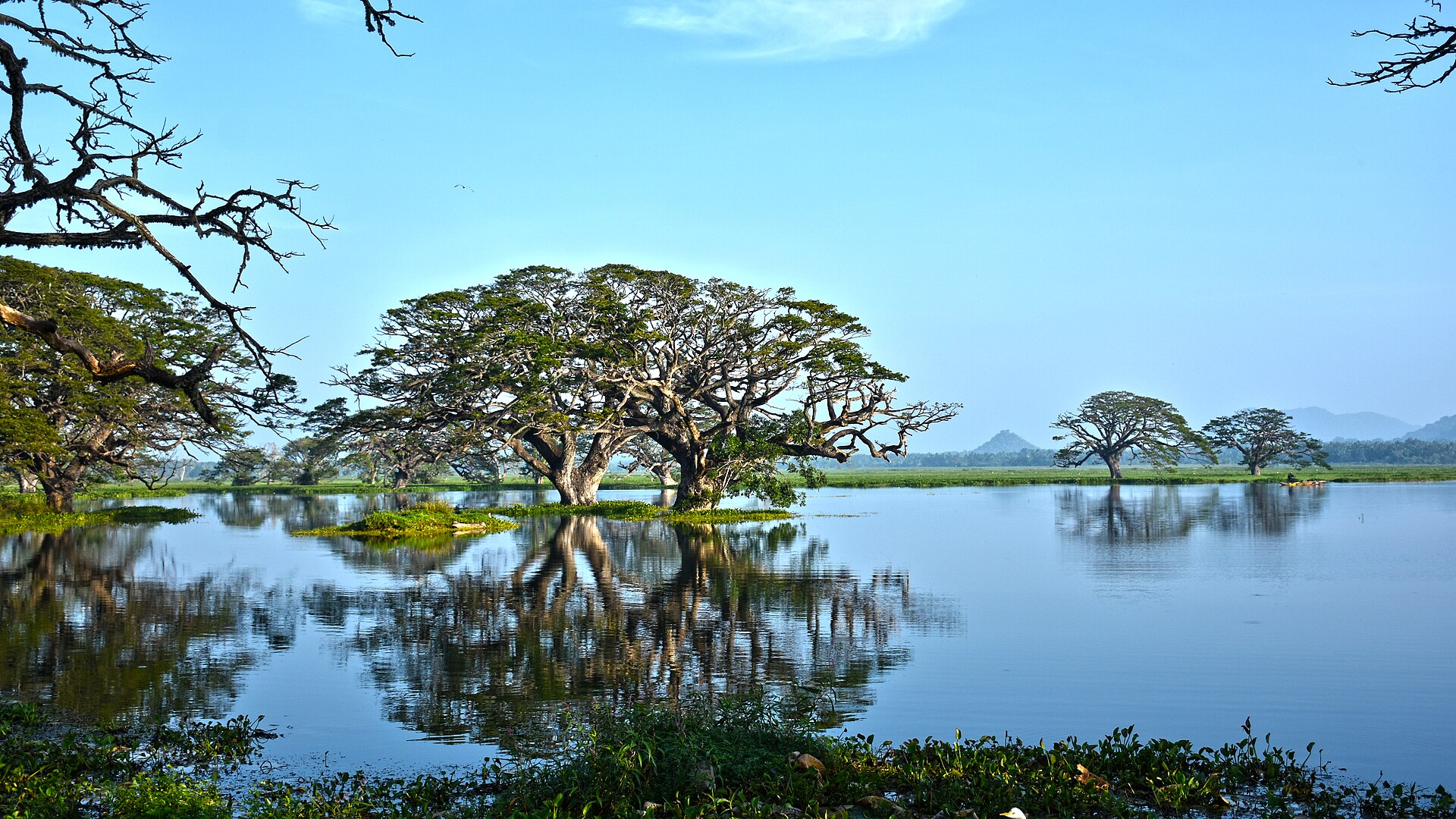
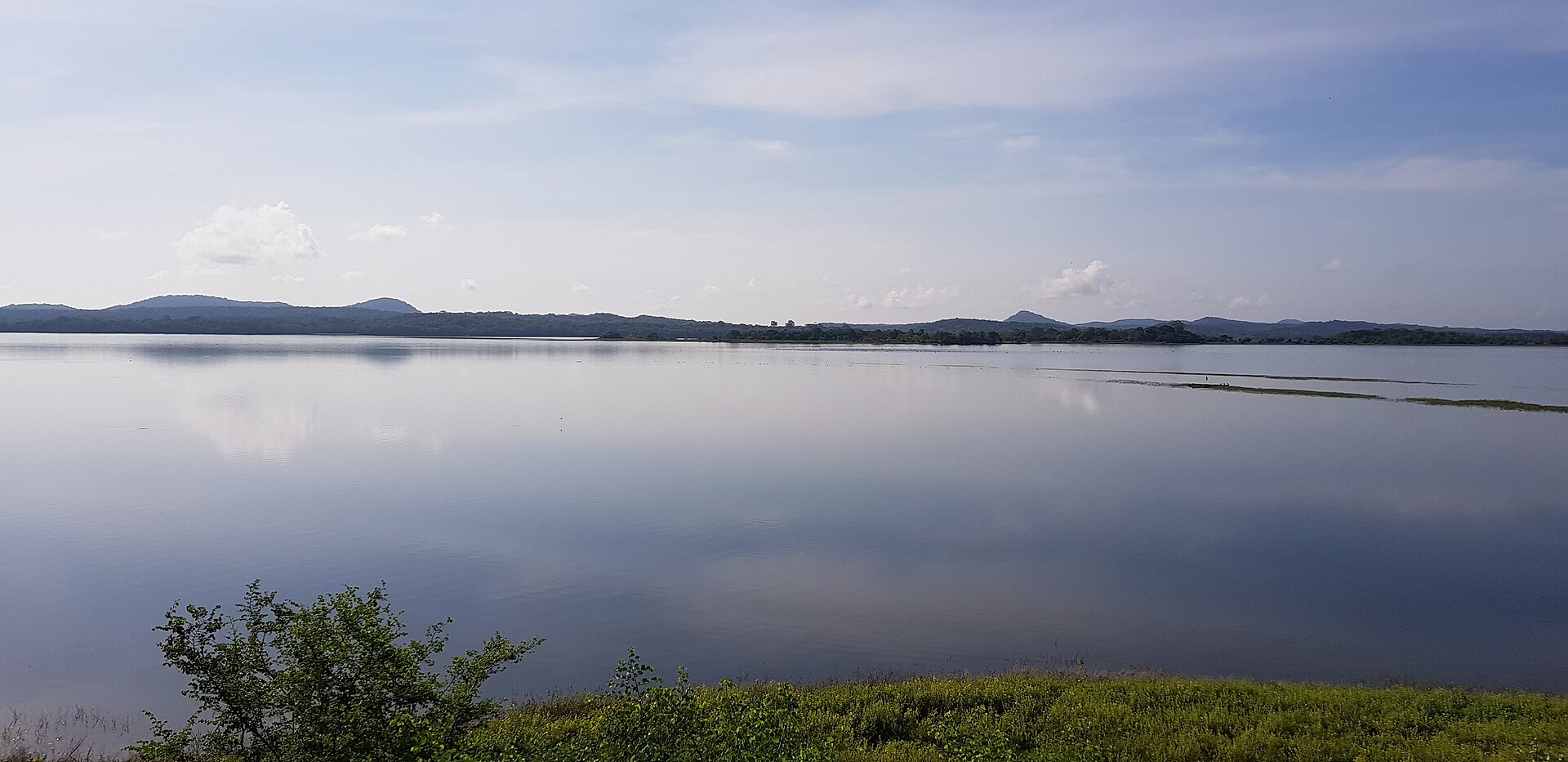
- Walk the Tissa Wewa lake at golden hour. The town’s huge ancient reservoir — built over 2,000 years ago — is the social heart of Tissa after the safari. Egrets, cormorants, kingfishers, monitor lizards on the bank; locals fishing with hand lines at dusk. Guests repeatedly describe it as the surprise of their stay: a free, beautiful hour that most safari-only visitors never take.
- The Tissamaharama stupa complex. A large, reconstructed Buddhist dagoba with a calm terrace and views over the lake and paddy. It is an active pilgrimage site, so dress respectfully (shoulders and knees covered, shoes off at the terrace) and go early or late for the light and the quiet.
- Birds, properly. Tissa is on the southern birding circuit, and the wetlands and paddy around the lake pull storks, bee-eaters, peafowl and dozens of waterbird species. A birder with an hour to spare at dawn will see more species around the lake than many people see in a whole park drive.
- Kataragama temple town (a short drive). About 20–30 minutes south, this multi-faith pilgrimage town draws Hindu, Buddhist and Muslim worshippers and is one of the most atmospheric religious sites in the country — especially at evening puja. A genuine cultural half-day between safaris.
- Kirinda beach and the temple on the rock. Twenty minutes south, a wild, windblown stretch of coast with a Buddhist shrine perched on a headland over the sea. Not a swimming beach in most seasons — it is a viewpoint and a mood, not a sunbathing stop.
Getting around
Tissamaharama is easy to reach and easy to leave, which is exactly why it works as a base on a longer route.
- From Colombo: an expressway bus takes roughly 5–6 hours and costs a few dollars; a private car with driver runs about US$70–100. There is no train to Tissa.
- From Ella: the hill-country bus down through Wellawaya takes about 2 hours and costs a couple of dollars — one of the cheapest scenic transfers on the island.
- From Mirissa / the south coast: roughly 1–1.5 hours by bus or car; Tissa is the natural next stop after a Mirissa or Tangalle beach spell. If you are still mapping the whole route, our getting around Sri Lanka guide prices every leg.
- Around town: tuk-tuks are plentiful and cheap; expect a few hundred rupees for a short hop, and agree the fare first. Most guesthouses will call a tuk-tuk for you.
- To the Yala gate: 20–30 minutes by safari jeep, usually folded into your safari package. Confirm pickup is included — at 4:30am there are no taxis cruising.
What to avoid: do not plan a same-day safari and a long onward transfer. You will finish the drive mid-morning, exhausted and dusty, and a 4–5 hour bus after a 4am start is miserable. Give Tissa a night on each side of the safari.
What to budget
This is where Tissa earns its reputation. Here is an honest per-person, per-day picture for 2026:
- Accommodation: a clean private room in a well-reviewed guesthouse or small hotel runs US$25–50 a night; the top-rated boutique and safari-villa tier sits around US$60–110. This is markedly cheaper than park-edge camps, which is the whole point of basing in town.
- Safari (all-in): the government park entry plus a shared jeep works out at roughly US$50–67 per person; a private jeep for two runs about US$80–85 each; a bundled private jeep, tickets and guide for a half-day is around US$85–95 per person. A solo traveller sharing a jeep pays the least per head.
- Meals: a rice-and-curry plate at a local place runs US$2–4; a proper restaurant dinner US$8–15. Guesthouse kitchens often cook excellent home-style Sri Lankan food — guests rave about it and it is usually the best-value meal in town.
- Transport: budget US$3–8 a day for tuk-tuks and short hops if you are not walking.
Realistic daily total (excluding the safari day): US$45–80 per person. Add the safari on top and a two-night Tissa stay — one full safari morning plus a lake-and-stupa afternoon — comes in comfortably under US$250 per person all in.
WATCH OUT FOR
- “Tissamaharama” that is not Tissamaharama. The single most common complaint in the data is properties marketed as a Tissa or Yala base that are actually 45–60 minutes from the gate, forcing a punishing 4am start. Check the map distance to the Palatupana gate — not to the town — before you book.
- The safari price that excludes the ticket. A recurring scam is a suspiciously cheap “jeep only” quote that turns out not to include the government entry fee, revealed only once you are at the gate at dawn. Always ask the operator directly: does this price include the park entry permit and all taxes? A straight answer is the sign of a straight operator.
- Guaranteed-leopard talk. Leopards are wild. Anyone promising a guaranteed sighting is selling confidence, not wildlife. Good operators talk about effort, timing and good half-day slots — not guarantees.
- Aggressive in-house safari sales. Some guesthouses push hard for you to book your safari through them, sometimes before you have even unpacked. It is fine to book with your host — many are excellent and know the park well — but it should be your choice, at your pace. If a host is pushy or dismissive when you decline, that is useful information about the rest of your stay.
- Room type fine print. A few complaints come from guests who did not realise their rate was for a non-air-conditioned room until they arrived. In the dry-zone heat, confirm whether AC is included before you book.
- The insects are real. Tissa is lake country in the tropics; simple open-plan rooms near the water can let in mosquitoes and bugs. Choose a well-sealed room and bring repellent — a small thing that decides whether your night is restful.
GOOD TO KNOW
- Best time to come. Tissa is dry-zone, so it works year-round, but the driest, clearest safari months run roughly February to June. Note that Yala’s famous Blocks 1 and 2 close for part of September–October for the annual drought-and-heat rest, so check the closure calendar before building a trip purely around Block 1 — the surrounding reserves stay open.
- Book the safari the night before, not on the day. Dawn slots and good jeeps sell out; arranging it through your guesthouse or a well-reviewed local operator a day ahead is normal and reliable.
- Carry small rupee notes. Gate fees, tips and lakeside snacks are cash territory. ATMs exist in town and are reliable, but small change is worth having.
- Dress for the dagoba and temple town. Shoulders and knees covered for the stupa and Kataragama; shoes come off at the terrace. A light scarf in your day bag solves this everywhere on the island.
- Pair Tissa with a Cultural-Triangle or elephant park. If leopards are your priority you are in the right place; if elephants are the goal, Udawalawe or the Minneriya–Kaudulla gathering in the north are the better bet — see our full Yala vs Udawalawe vs Kumana vs Minneriya comparison — and Tissa slots neatly into a route that includes them.
- Do not rush the town. The lake at golden hour and the stupa at dusk are the two things most safari-only travellers miss entirely. Budget an afternoon for them.
WHERE TO STAY
These properties are drawn from the review data — positive mentions only, with the specific, review-backed reason each earns its place as a Tissa base.
- Black Panther Yala — about 9.84/10 across 108 reviews, and the highest-rated stay in the set; guests consistently praise hosts who arrange the safari and read the park well, which is exactly what a first-time visitor needs at dawn.
- Yala Safari River View Hotel — roughly 9.81/10 from 189 reviews, repeatedly called out for spotless modern rooms, genuinely warm hosts and safari organisation that delivered standout sightings; a strong mid-range choice.
- Ariya Tissa — near 9.67/10 over 180 reviews, valued for calm, comfortable rooms and an easy position for both the safari and the lake — a dependable, well-run base.
- Lake Face Cabana — about 9.47/10 across 236 reviews, named for the setting: guests love the lakeside calm and quiet, a lovely counterpoint to a 4am safari start.
- My Resort Yala — around 9.37/10 from a substantial 365 reviews, frequently cited for friendly service and good value, making it a safe pick for families or groups splitting a jeep.
The bottom line
Tissamaharama is the rare place that does two jobs well: it is the practical, affordable gateway to Yala’s leopards, and it is a genuinely lovely small town with its own lake, stupa and birdlife that deserve more than a rushed overnight. Base here, rise early, take the dawn drive — then give yourself an afternoon by the water before you move on. The travellers who enjoy it most are the ones who treat Tissa as part of the trip rather than just the price of a safari ticket, and the guest data says they are rewarded for it.
Base sorted? Settle the safari itself.
- What to know before booking Yala
Gate logistics, jeep costs and how to book without the gate-post markup. - Yala vs Udawalawe vs Kumana vs Minneriya
Which park suits you — and when elephants beat leopards outright. - Is Yala closed in October 2026?
The Block 1–2 closure explained, and where the drives move to. - Getting around Sri Lanka
Buses, trains and drivers priced — plan the legs in and out of Tissa.
Have a specific question about your Sri Lanka trip?
Ask BYC at byc.lk — Free and honest. Some links are affiliate links and never change our advice.
Ask BYC Your Question →