What to know before visiting Anuradhapura - honest advice from 11,289 guest reviews
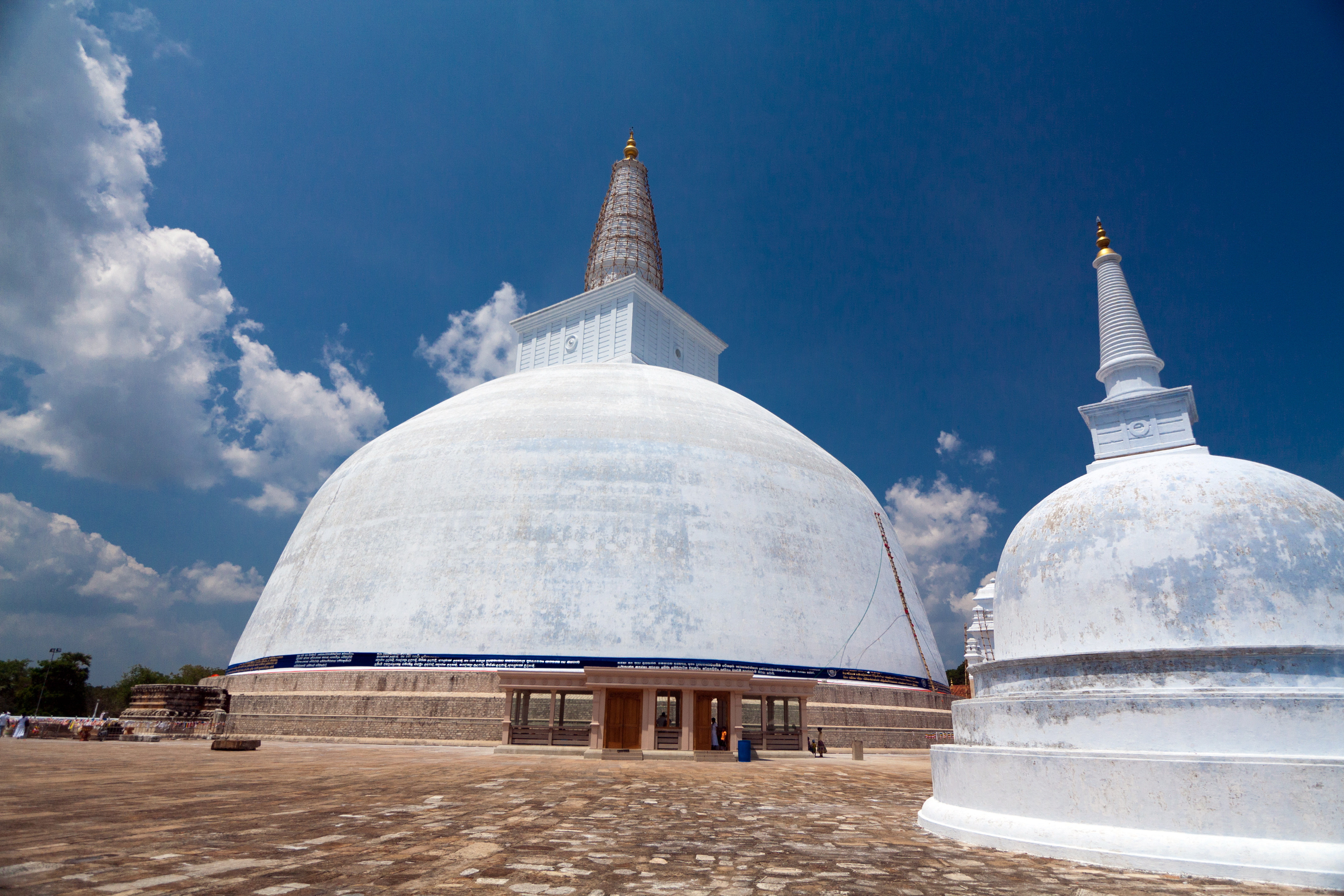
Anuradhapura is Sri Lanka’s first great capital — a sprawling sacred city that ruled the island for over 1,300 years, where colossal white stupas, rock-carved monasteries and the oldest living tree in recorded history stand in plain sight under a merciless sky. It is not a gentle destination. It is a hot, spread-out, endlessly rewarding one. And across 11,289 verified guest reviews of Anuradhapura properties in our database, one truth holds above all the rest: the ruins always deliver — the experience depends entirely on how you pace the heat, how you move between the monuments, and where you sleep when the day is done. This guide combines both sides of that story — what makes travellers fall hard for the sacred city, and the patterns that catch them off guard.
1. The answer-first summary
Yes, Anuradhapura is absolutely worth visiting — and it rewards two nights, not the rushed day-trip most itineraries give it. The travellers who love it split the sights across two mornings, hire a tuk-tuk driver for the day, and base themselves in a warm homestay near the sacred precinct rather than a sterile city hotel. The travellers who are disappointed almost always arrive mid-morning in the full heat, try to walk between monuments scattered over kilometres, and expect the air-conditioned comfort of the coast in a city that averages 8.52/10 across its reviews — carried, in the data, by hospitality and value, not by luxury. Here is the encouraging part: 5,115 of those 11,289 reviews score their stay 9.5 or higher, and homestays across the destination average a stunning 9.38 out of 10. Get the basics right and Anuradhapura quietly becomes one of the most memorable nights of the whole island.
2. What makes Anuradhapura special
Anuradhapura’s pull is unlike anywhere else in Sri Lanka. The Sri Maha Bodhi — a sapling from the very fig tree under which the Buddha attained enlightenment, planted here in 288 BC — is the oldest historically documented tree in the world, and it is still actively worshipped by monks and pilgrims every day. This is not a museum; it is a living faith. Standing under the Ruwanwelisaya stupa, a gleaming white dome among the tallest ancient monuments on earth, or beside the vast brick mass of Jetavanaramaya — once the tallest brick structure in the world — gives you the same involuntary awe the pyramids do, with none of the crowds.
The review data shows exactly what guests remember. “Staff” appears in 1,530 Anuradhapura reviews, “clean” in 1,254, “breakfast” in 1,051, “friendly” in 1,098 and “helpful” in 906. Guests talk about hosts who arrange early tuk-tuks to Mihintale for sunrise, cook enormous rice-and-curry breakfasts, and walk them to the Bodhi tree before the crowds. The word that surfaces again and again in the top-rated stays is welcome — Anuradhapura’s accommodation scene is one of the most genuinely hospitable in the country, and it is the reason so many reviews read like thank-you notes.
Then there is Mihintale, 12 kilometres away: the mountain where Buddhism first arrived in Sri Lanka, reached by 1,840 steps that reward early risers with the best view in the Cultural Triangle. Add a late-afternoon loop through Isurumuniya’s rock-cut “Lovers” relief, the golden hour on the tanks, and a couple of vast stupas glowing in the low light, and you have a two-day itinerary with genuine depth — not a drive-by photo stop.
3. What catches people off guard
Over several thousand Anuradhapura reviews — including 1,064 that score their stay below 6/10 — five patterns recur with enough consistency that they are worth knowing before you book.
The heat is the single biggest factor, and it decides your whole day. Anuradhapura sits in the dry zone and the sun here is relentless, with most of the monumental sites spread across a huge area offering little shade. Guests who arrive after 10 AM consistently describe a sweaty, blurry slog; reviewers who start at 7 AM describe awe. The city rewards a dawn-and-dusk rhythm: big monuments first thing, a long lunch break in air-conditioning, gentle sites late afternoon. Plan around the heat and the city is magnificent; ignore it and it will flatten you.
The ruins are spread out — you need wheels, and the tuk-tuk price is real. “Tuk” appears in 632 Anuradhapura reviews and “driver” in 184, more than at almost any comparable destination, because the monuments are genuinely scattered. You cannot reasonably walk between Sri Maha Bodhi, Ruwanwelisaya, Jetavanaramaya and the museum in one stretch, and the review data is unanimous that hiring a tuk-tuk driver for the half-day or full day — US$20–40, agreed in advance — is the right call. Negotiate the price and the route up front, agree roughly US$20–30 for a half day or US$35–50 for a full day, and hold the driver to it. The moment you don’t establish the rate, the meter of goodwill gets vague.
Dress-code friction at every temple. Shoe removal and covered shoulders are required at every sacred site, and the ground between monuments gets hot enough underfoot to matter by midday. Wear slip-ons and carry a sarong or scarf. This sounds trivial, but it is the most common “wish I’d known” note in the lower-scored reviews.
Homestay honesty beats hotel polish. The gap between property types is striking in the data: homestays average 9.38/10 across 1,001 reviews, guesthouses 8.98, villas 8.49, and hotels just 8.29 across 6,957 reviews. The big legacy hotels underperform their marketing, with recurring complaints about tired rooms, indifferent food and dated fixtures. The homestays, by contrast, are where the 9.5+ scores live — modest rooms, enormous hospitality. If you book Anuradhapura like a resort destination you will be disappointed; book it like a cultural pilgrimage with a warm host and you will be delighted.
Solo and budget travellers, this is your destination. Anuradhapura is one of the most affordable stays in the Cultural Triangle, and the fit data agrees: it suits history and culture travellers, solo travellers, budget travellers, spiritual seekers and photographers — and it is a poor fit for beach holidays, nightlife, luxury resorts and quick stopovers. Expect to pay US$20–40 a night for a superb homestay room and US$5–12 for a generous local meal.
4. Where the best of Anuradhapura is
The city splits into two distinct accommodation zones, and the choice shapes your stay. The sacred precinct zone — around the Bodhi tree, Ruwanwelisaya and the main museum cluster — is where the magic is. Staying here means the monuments are walkable at dawn and dusk, and the top-rated homestays are concentrated in this area, many within a stroll or short tuk-tuk of the Sri Maha Bodhi gate. The new town and city-centre hotels, by contrast, are more convenient for the railway station and the bus hub but sit further from the sacred heart, and this is where the legacy hotels’ lower hotel average comes from.
The best of Anuradhapura also lives in its timing. Climb Mihintale for sunrise, walk the stupas at first light before the tour groups arrive, return to your homestay for a lazy lunch and a cool break, then come back for golden hour. That rhythm — not the midday marathon — is what the most glowing reviews describe.
5. When to visit Anuradhapura
Anuradhapura is a year-round destination, but the comfortable window is May through September for pilgrims and the dry, clear months of January–April and July–September for general sightseeing. The driest, clearest months — January to April — give you long, bright days but real heat; during the inter-monsoon shoulder months (May–June, October–November) you trade a little rain for fewer crowds and greener landscapes. Whenever you come, the rule is identical: be on the monuments by 7 AM and off them through the hottest middle of the day. The ticket office at the main sites opens early precisely so visitors can finish the big circuits before the sun peaks.
6. Where to stay — top picks from real reviews
- Maho Boutique Hotel (9.74/10) — Anuradhapura’s highest-rated property across 291 reviews. A small, beautifully kept boutique stay where the design and the hospitality combine; guests repeatedly call it a calm, spotless retreat from the heat. Check availability → Maho Boutique Hotel
- Ceylonima Home Stay (9.72/10) — 240 reviews and among the destination’s best. A family-run homestay where the hosts set the tone — home cooking, help with tuk-tuk and Mihintale planning, and genuine warmth. Check availability → Ceylonima Home Stay
- Lake House Home Stay (9.34/10) — the most-reviewed property in the destination with 737 reviews, and it holds a rating most places would envy. The reliable face of Anuradhapura’s homestay excellence: lakeside, welcoming, consistent. Check availability → Lake House Home Stay
- GB Royal Stay Anuradhapura (9.29/10) — 360 reviews, a perennial favourite near the sacred precinct, praised for spotless rooms, helpful staff and an excellent breakfast. Check availability → GB Royal Stay
- Sapumal Lodge (9.19/10) — 324 reviews of reliable hospitality and value, a dependable pick that rarely lets guests down. Check availability → Sapumal Lodge
If you want premium comfort with the ancient-capital mood intact, Anuradhapura’s standout at the higher end is the heritage-styled lakeside resorts on the tanks — but the data is emphatic that the best value and the highest scores sit in the homestay tier. For a trip built around the sacred city and the wider Cultural Triangle, your best base is a homestay near the Bodhi tree, and your day-trip logic should flow naturally into Polonnaruwa, the second capital of the island.
7. How it compares: Anuradhapura vs Polonnaruwa
Anuradhapura and Polonnaruwa are the two halves of Sri Lanka’s ancient-capital story, and most travellers on the Cultural Triangle route do both. They are genuinely different. Anuradhapura is the older, bigger, more sprawling city — a living pilgrimage site where the faith is still active and the monuments scatter across a vast area, which is why it demands a tuk-tuk and a dawn-and-dusk rhythm. Polonnaruwa is the smaller, more compact medieval capital — you can cycle the entire archaeological park in a day on flat terrain, and the stonework (the giant Buddhas of Gal Vihara above all) is widely considered the finer of the two. If you only have a day, many travellers lean Polonnaruwa for its walkability and sculptural artistry; if you want the deeper, more numinous experience of living faith under the great stupas, Anuradhapura is unmatched. They complement each other — and the honest data point is to give each at least two nights rather than trying to compress both into a rushed day.
8. Getting there and around
Anuradhapura is the easiest of the deep-cultural destinations to reach. The Yal Devi express and daytime intercity trains run from Colombo Fort, taking 4–5 hours, with second-class reserved seats around US$10 and first-class air-conditioned about US$15 — book at least a few days ahead on the Sri Lanka Railways site. By road it is about 5 hours from Colombo, 2 hours from Sigiriya or Dambulla, and a natural stop on the way north to Jaffna. Once in the city, the tuk-tuk is king: negotiate a half-day rate for the sacred circuit (US$20–30), confirm it before you set off, and keep the driver’s number for Mihintale and dinner runs. Trains pass through here daily, making Anuradhapura a natural combined stop for anyone looping the Cultural Triangle and the north.
9. The bottom line
Anuradhapura is absolutely worth visiting — and the travellers who love it most are the ones who respect what it actually is: a hot, spread-out, deeply sacred city that rewards patience and warmth rather than speed. Climb Mihintale for sunrise, walk the great stupas at 7 AM, hide from the midday sun over a long homestay lunch, and come back for golden hour. Hire a tuk-tuk driver with a set price, wear slip-ons and carry a sarong, and base yourself in a homestay near the Bodhi tree — not a legacy city hotel. Do that, and Anuradhapura will hand you one of the most quietly profound nights of your entire Sri Lanka trip. For the wider picture of where else the island will take you, see our best-time-to-visit guide and the overrated versus underrated destination breakdown.
Data: BYC.lk analysis of 11,289 verified guest reviews of Anuradhapura properties (Booking.com and other travel platforms), retrieved August 2026. Property-type averages and praise/concern counts drawn from the full Anuradhapura review corpus; tuk-tuk and train pricing reflect published 2026 rates.
Temples are the heart of the sacred city, so it is worth knowing the rules before you go — see our temple dress code and etiquette guide for 2026.
Have a specific question about your Sri Lanka trip?
Ask BYC at byc.lk — Free and honest. Some links are affiliate links and never change our advice.
Ask BYC Your Question →