Delft Island from Jaffna: Ferry Times, Cost and Day Trip (2026)
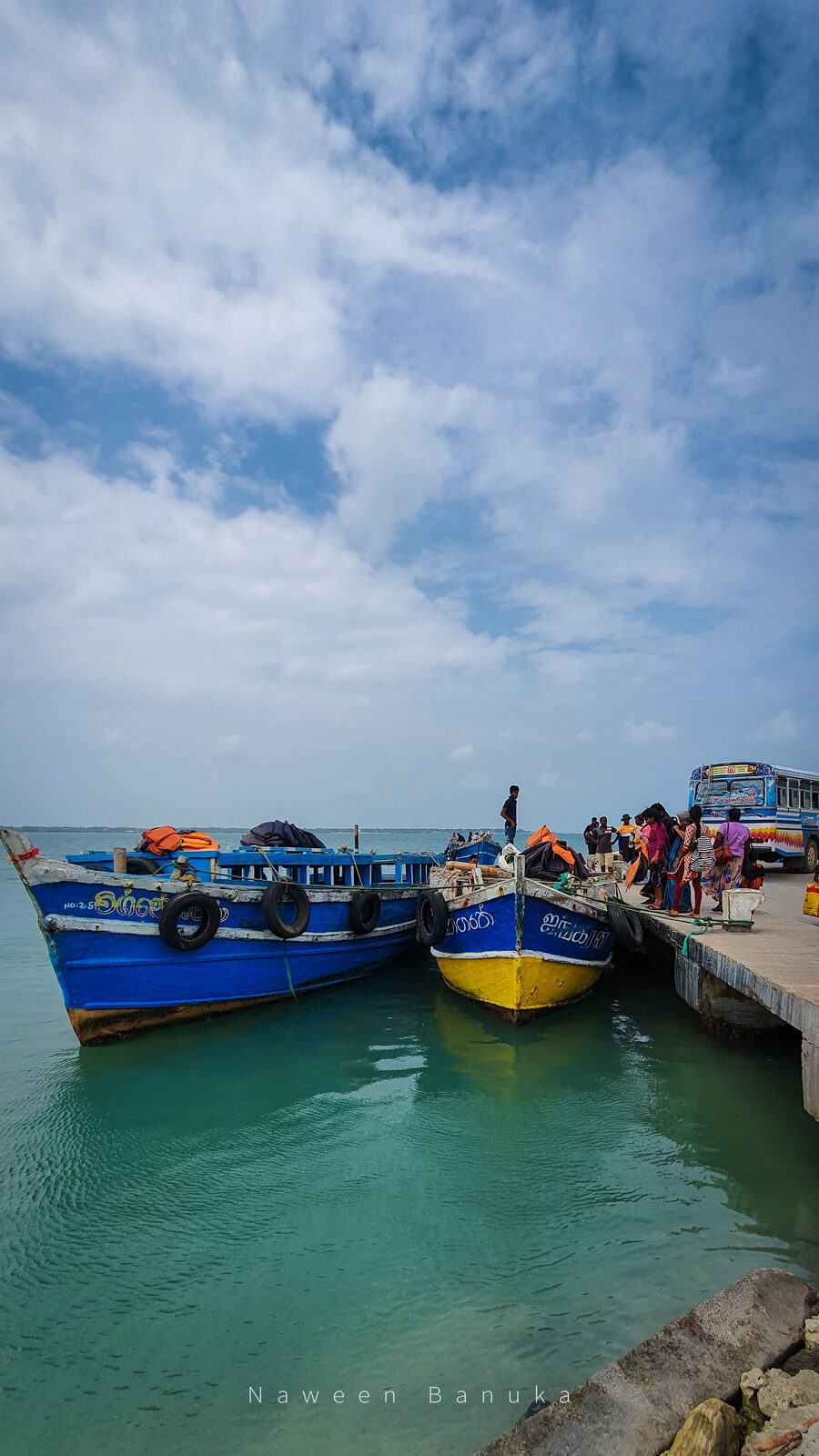
The ferry to Delft Island leaves Kurikadduwan jetty at roughly eight in the morning, and if you are on it you will be walking coral-walled lanes past wild ponies by mid-morning. If you are not on it, you are standing on a concrete pier in the Jaffna sun reading a timetable that has just become your entire day. There is no bridge, no second jetty, and no app. Delft is a fifty square kilometre island of palmyrah scrub and Dutch ruins off the northern tip of Sri Lanka, and the boat that takes you there is also the boat that decides when you come back.
This page covers the three departures, what the crossing costs in 2026, what to do when you arrive, and the ordering mistake that leaves travellers sleeping on the island without a booking.
The short answer
Go as a full day trip from Jaffna and treat the ferry as the fixed point that everything else obeys. From Jaffna, take bus 776 or a tuk-tuk to Kurikadduwan jetty on Pungudutivu (roughly 30–50 minutes, LKR 200 on the bus, around LKR 1,500–2,500 by tuk-tuk), then take the public ferry to Delft. Boats from Kurikadduwan typically run at around 08:00, 14:30 and 16:00, with returns from Delft at around 07:00, 11:30 and 15:00; the crossing is 50–60 minutes. There is no advance booking and no online payment — you queue at the jetty and pay cash on the boat, and the fare is small (reported anywhere from free to about LKR 100 per person on the subsidised service, or around LKR 1,000 return if you end up on a private boat). Plan the 08:00 out and the 15:00 back and you have five or six usable hours on the island.
Two things follow. This is a morning trip: the afternoon departure only works if you sleep on Delft or arrange a private return. And the timetable is not guaranteed — weather and boat condition cancel sailings, so confirm the day before and on the morning.
What’s worth doing on Delft
Delft’s sights are scattered with no fenced heritage park and no interpretive centre. You hire a tuk-tuk, a tractor-and-trailer or a scooter at the jetty and work through them; the driver knows the route better than any map. Budget two to three hours of driving between stops.
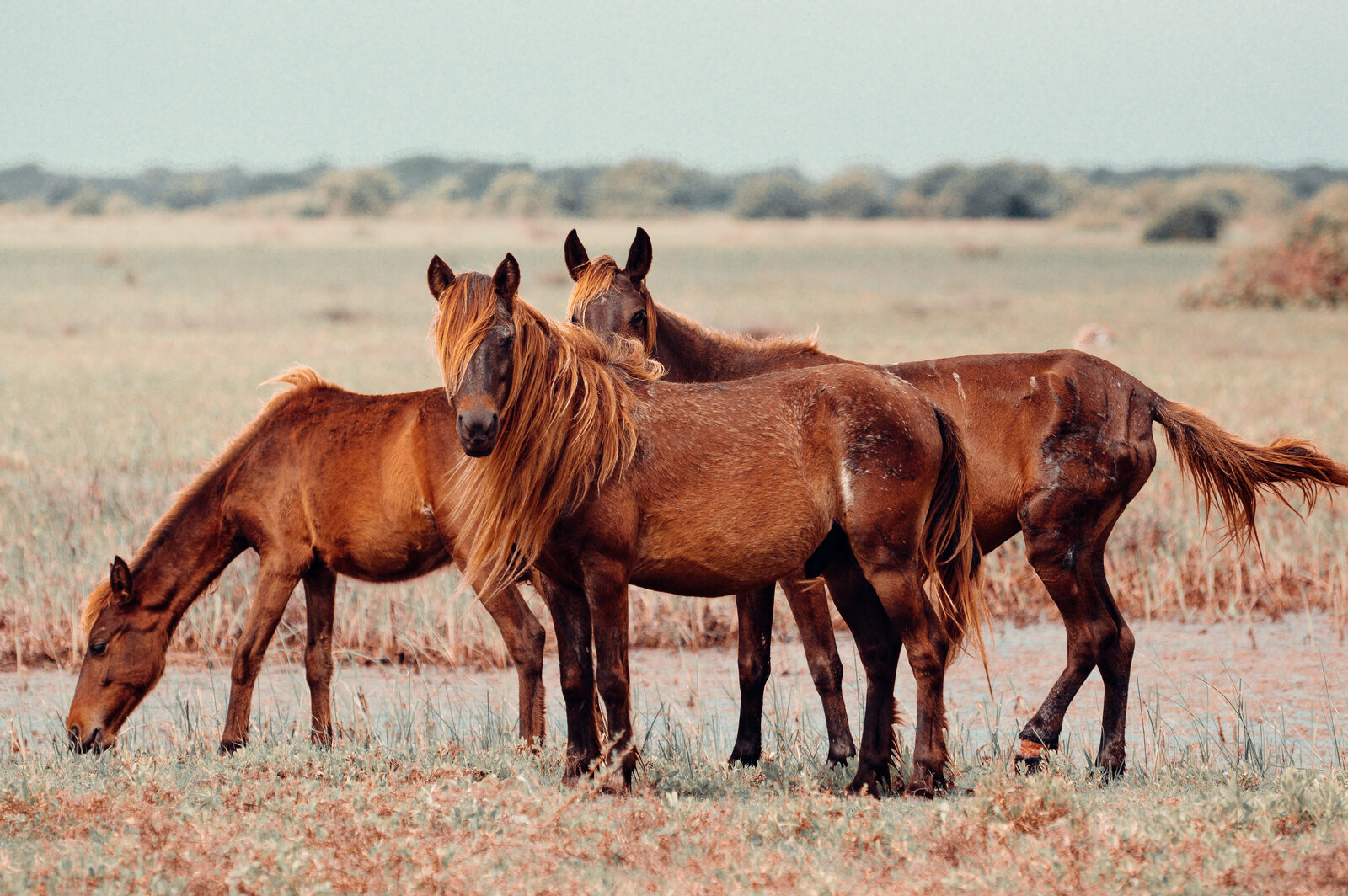
- The wild ponies. Delft’s most photographed residents are small, stocky horses descended from animals left behind in the Dutch period, now roaming free in family groups across the dry grassland. They are genuinely wild in temperament — do not walk up to them, do not feed them, and photograph from the vehicle. In reviews of northern stays they are the single thing people come back talking about, and reviewers consistently note that Delft is not crowded or touristic in the way the southern coast is.
- The coral walls and coral lanes. Much of the island is divided not by hedges but by dry coral-stone walls, some waist-high, some chest-high, laid without mortar from reef material gathered over centuries. The effect is a landscape that looks built out of the sea, and the lanes between the walls are the best quiet walking on the island.
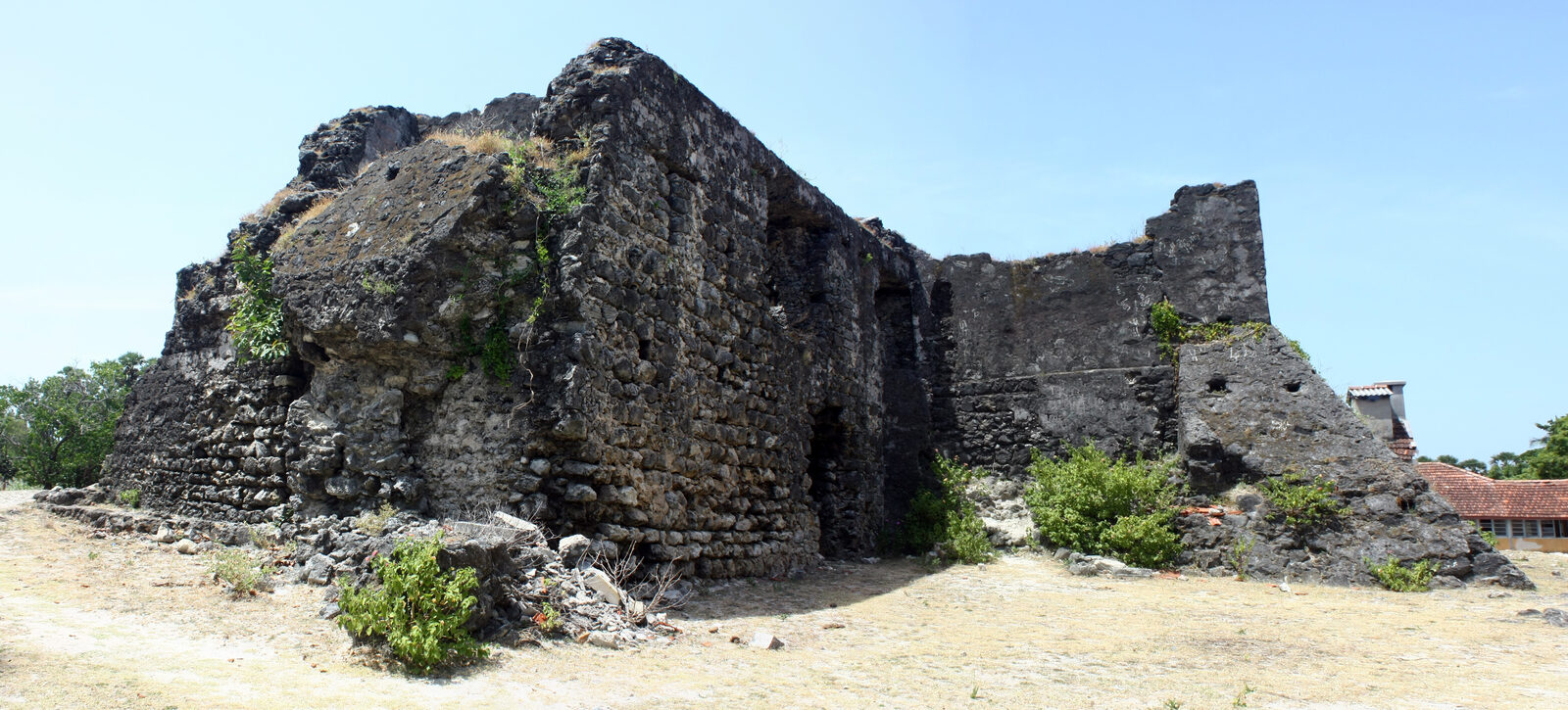
- The Dutch and Portuguese fort remains. Ruins rather than a restored monument: low walls, a gateway, cannon, and a great deal of wind. Worth fifteen minutes and your best photographs, especially in low morning or late afternoon light.
- The giant baobab. A single enormous trunk wrapped around itself, said to be several centuries old and one of the largest trees of its kind in the country. It is short stop, five minutes, and it is genuinely strange.
- The pigeon nest and the footprint. A colonial-era domed pigeon house and a rock said locally to bear a footprint. Neither takes more than a few minutes, which is why they belong to the drive rather than to a plan.
- Village life and the coast. A few thousand residents, small shops, a school, and fishing boats pulled up on the western shore. This is the actual texture of the day — palmyrah toddy, quiet, and a horizon with nothing on it.
Getting around, and what it costs
Four legs, and each has its own price. Costs last updated 22 October 2026; all cash-only and approximate.
- Jaffna → Kurikadduwan jetty. Bus 776 from the central bus stand, about LKR 200, roughly an hour including the causeways and Pungudutivu. A tuk-tuk is LKR 1,500–2,500 and closer to 40 minutes; agree the fare first, including whether the driver waits.
- Kurikadduwan → Delft by ferry. LKR 0–100 per person on the subsidised public service (policy has shifted over the years, so carry small notes either way), about 50–60 minutes. Private boats at the same jetty quote roughly LKR 1,000 return per person when they are running and when the public boat is full.
- Getting around Delft itself. Tuk-tuk tours arranged at the jetty are usually LKR 3,000–5,000 for a half-day circuit for two people; a scooter is cheaper but the roads are sand-and-coral and the ponies are free-range. There is no public transport on the island worth relying on.
Coming from Colombo, the overnight bus to Jaffna is how most people arrive; getting around Sri Lanka covers the wider picture.
Realistic total for one person doing it properly on the public ferry and a shared tuk-tuk tour: LKR 6,000–9,000 for the day, or roughly USD 20–30. The most expensive mistake is missing the last public boat and paying for a private charter.
What to avoid. Do not plan a Delft day and a Nagadeepa day on the same date. They leave from the same jetty but they are different crossings in opposite directions, and travellers who try to combine them reliably end up doing neither properly. Do not accept a “Delft trip” from a Jaffna guesthouse without asking whether the price includes the ferry fare and the island vehicle — those are two separate payments made to two separate people.
What to budget for the day
Excluding Jaffna accommodation, a Delft day costs this much per person:
- Transport to the jetty: LKR 200 (bus) to LKR 2,500 (tuk-tuk). Heavy, but split between two or three people the tuk-tuk becomes about the same as a bus ticket each, and much faster.
- Ferry both ways: LKR 0–200.
- Island vehicle: LKR 3,000–5,000 per tuk-tuk, not per person. This is the largest fixed cost of the day.
- Food and water: LKR 1,000–2,000. Carry it — there are small shops, but no shaded café circuit.
- Excluding your Jaffna room, that is roughly LKR 5,000–9,000 (USD 17–30) per person on the public ferry, most of it the island vehicle.
- Cash buffer: LKR 1,000 — no cards, no ATM on the island.
If you stay overnight on Delft instead of returning, arrange it in advance: there is no walk-up accommodation strip, and nothing in the review record that lets you shop around on arrival.
Watch out for
Almost every disappointment here has the same shape: the ferry was treated as a taxi rather than a tide.
- The return-boat trap. This is the pattern to plan around. One guest paid a hotel to arrange a tuk-tuk to the jetty for the Delft ferry — well done, fair price — got across, and then found “the return ferry was completely full, and we did not manage to find a private boat”, so they stayed on the island overnight. Another asked their Jaffna villa owner for the boat times to Delft, arrived to find the boat had already gone, and had to rebuild the day. The mechanism: the return boat carries locals home first, capacity is finite, and the afternoon departure is the one everybody wants. Get to the return jetty 30–45 minutes early, and ask on the way out what time the boat actually loads — not what time it leaves.
- A timetable you found online is not a timetable. There is no central booking site for these services, and sailings are suspended for weather and boat condition with little notice. Confirm the day before with your host or the jetty, and again on the morning of travel. Do not book anything downstream of a Delft day — an onward bus, a train, a flight — that cannot absorb a four-hour delay.
- Sandwich optimism. A four-star Jaffna hotel that packs takeaway sandwiches for your Delft excursion is doing you a kindness; a reviewer who took one look at them and chose to go hungry is a reminder to bring your own food rather than trust the island to provide. Buy in Jaffna the night before.
- Heat, and no shade. Very little of it on the jetty, the boat or the island. Between 11:00 and 14:00 this is an uncomfortable place to be outdoors — the morning boat is not a suggestion, it is the whole design.
- Vehicles that overpromise. A private “Delft tour” including ferry and island car is a real product, but check what happens if the boat does not sail, and confirm the vehicle waits at Delft rather than dropping you and leaving.
- Luggage. Several travellers leave bags with their Jaffna host while they go across, and one Sobia Villa guest had theirs kept safely for a multi-day Delft stay. Do that. Dragging a suitcase on a coral jetty in 34 degrees is not the version of this trip you want.
Good to know
- Timing. Target the 08:00 sailing and the 15:00 return. Arrive at Kurikadduwan by 07:15 — the queue forms before the boat does, and capacity limits apply.
- The best months. Jaffna’s 2026 review record peaks in January and February, then falls away as the northern monsoon and heat take over. Delft in the dry, breezy early months is the version to plan, and January in Sri Lanka explains why; windy monsoon days are when cancellations cluster.
- Water, hat, sun cream, and a waterproof bag for electronics. Spray on the crossing is normal, and rough water in the Palk Strait is not rare.
- Give the island a purpose. Delft rewards people who want quiet, ponies, coral and ruins. If you want a beach day or a restaurant lunch, this is the wrong island.
- Last updated: 22 October 2026. Confirm current sailings locally before you travel.
Where to stay in Jaffna
Your Jaffna base decides whether this day works, because Delft is not somewhere you stay by default — the logistics come from your host. These are the names that keep appearing in northern reviews about island trips.
- Tony’s Garden House Back Packers inn — 9.45 across 237 reviews. The clearest island-logistics signal in the northern record: guests write that Tony is “so helpful in planning things to do and how to get to Delft Island”, that he organised the excursion and the peninsula tuk-tuk, and that he can point you to a village stay on Delft itself.
- Humming Birds Suites — 8.49 across 293 reviews. Guests report the owner and staff “arranged tuk-tuk to the Jetty for Delft ferry at a very reasonable price”, and the manager rose early to confirm it was outside.
- Nallur Residence — 9.09 across 148 reviews. Haran is repeatedly credited with transport planning, with food packed early for a Delft day trip and an escort to the bus station on departure.
- Berty’s Cottage Home Stay — 9.20 across 59 reviews. Smaller and hands-on: Berty and Hilda “organised a tuk tuk driver for us to visit Delft island” and cook breakfast reviewers rate as the best of their trip.
- Thambu Illam — 9.03 across 155 reviews. A calm, spacious house with a pool, where staff found a reliable tuk-tuk driver and suggested a guide for Nainativu. Good for running both islands across two days in comfort.
One note from the data: of Jaffna’s 3,778 written reviews, only 45 mention the ferry or the islands — and those 45 average 9.49 against a Jaffna average of 8.01. The people who went loved it. Almost nobody goes.
For the mainland half of the trip, the full Jaffna guide covers the fort, Nallur and where to eat, and the Nagadeepa ferry page handles the other island from the same jetty. If you are still deciding whether the north earns its place in the itinerary, is Jaffna worth visiting lays out the honest case, and the seasonality map shows when the north is dry.
The bottom line
Delft is one of the last genuinely unpolished places in Sri Lanka, and the awkward logistics are what kept it that way. Give it a full morning, take the early boat, come back on the fifteen hundred. Two nights in Jaffna — one for the city, one for the island — and Delft quietly becomes the part of the trip you talk about for years.
Have a specific question about your Sri Lanka trip?
Ask BYC at byc.lk — Free and honest. Some links are affiliate links and never change our advice.
Ask BYC Your Question →