Sri Lanka in January - Peak Season at Its Peak (and Where the Data Says Skip)
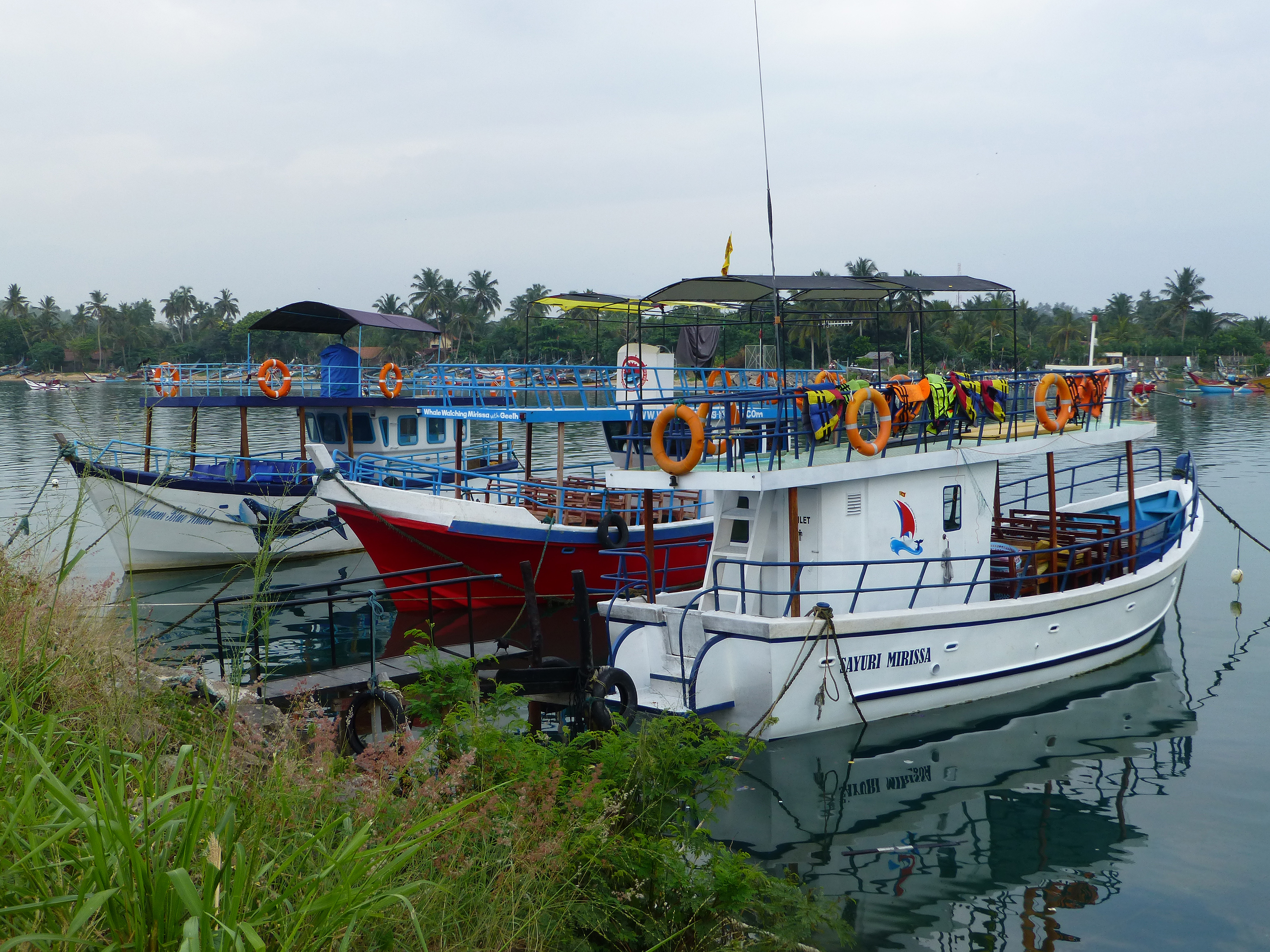
January is Sri Lanka's peak season at its peak — the most-visited month of the year, with 40,370 guest reviews in our database, and the southwest coast at its absolute dry-season best. The blue whales are back in Mirissa, the turtles are nesting on the south coast, and the Cultural Triangle is hot, dry and magnificent. But it is also the most crowded and most expensive time to visit, and the data from 353,633 guest reviews shows January satisfaction (8.59/10) trails February (8.70) and March (8.81, the year's best). The month mostly delivers — if you book early, move early, and know where the crowds concentrate.
The January weather split — region by region
January sits at the tail of the northeast monsoon (October–January), which means the island's weather is the mirror image of a European summer. Here is the region-by-region picture:
Southwest coast (Galle, Mirissa, Unawatuna, Weligama, Bentota, Tangalle). This is the headline: the southwest coast is deep in its dry season (November–April), with daytime highs of 29–31°C, blue skies and calm, swimmable seas. January is one of the driest months of the year here — the monsoon that battered these beaches from May to September is long gone. The classic Sri Lanka beach postcard is real in January.
East coast (Trincomalee, Nilaveli, Passikudah, Arugam Bay). Still in the tail of the northeast monsoon: early January brings frequent showers and overcast mornings, improving noticeably as the month winds down. The east coast's real season runs May to September, so January is a transition month — quiet, affordable and moody, with the weather improving week by week.
Hill country (Kandy, Ella, Nuwara Eliya). Cool, crisp and often stunningly clear. Daytime temperatures run 18–24°C in Ella and 14–20°C in Nuwara Eliya, with nights dropping to 8–12°C — genuinely cold by Sri Lankan standards. January mornings are famous for their clarity: one of the best months for views from Ella's viewpoints and the Kandy–Ella train.
Cultural Triangle (Sigiriya, Dambulla, Anuradhapura, Polonnaruwa). Hot, dry days with clear skies and highs of 30–33°C. The dry zone lives up to its name in January — excellent climbing weather at Sigiriya if you start at dawn, and comfortable evenings for the ancient cities.
Colombo and the west coast. Dry and warm with the occasional shower. Fine for a city break or transit night, though traffic is at its annual worst as the city returns to full swing after the holidays.
Where January delivers
The south coast at its absolute best. If you want the classic image of Sri Lanka — hot sun, warm bath-like sea, palm shadows on white sand — January is the month, full stop. Galle, Mirissa, Unawatuna, Weligama and Tangalle all deliver their best weather of the year. See our Mirissa booking guide and Galle booking guide for property-level advice.
Whale watching in Mirissa. The blue whale season runs November to April, and January is prime time — seas are calmer than November's and sightings are frequent. Morning tours leave around 6:30 a.m. and cost $40–55 per person; blue whales, sperm whales and spinner dolphin pods are all common. Our 353,633-review whale-watching study and whale-watching guide cover how to pick a boat.
Turtle nesting on the south coast. November to April is nesting season, and January is a peak month — including the giant leatherback, which arrives from December through February. Night visits to Rekawa Beach near Tangalle regularly see green and hawksbill turtles coming ashore to lay. The Tangalle deep south guide explains how to do it with licensed local guides.
Yala and Udawalawe in dry-season mode. Yala's main season runs October to July; in January the park dries out, animals concentrate around the remaining waterholes, and leopard sightings are at their most reliable. Udawalawe is dependable year-round for elephants. Read what to know before booking Yala before you commit.
The Cultural Triangle in perfect conditions. Sigiriya's dawn climb in January's clear, dry air is one of the great Sri Lankan experiences — and the review data agrees: Polonnaruwa (9.02), Habarana (9.21) and Sigiriya (8.89) all rank among the island's top January destinations. Check the Sigiriya booking guide for the practicalities.
The hill country at its clearest. January's crisp mornings give the best views of the year from Ella's viewpoints, and the Kandy–Ella train is glorious in the clear light. Nuwara Eliya's parks are green and the nights are fireplace-cold — a refreshing contrast to the coast.
Where January disappoints
The east coast, early in the month. Trincomalee, Nilaveli, Passikudah and Arugam Bay are still in the monsoon tail in early January — showers, humidity and swim-unfriendly seas. Pigeon Island snorkelling trips get cancelled on rough days, and Arugam Bay's surf breaks stay mushy until the winds shift.
The honest upside: the travellers who do visit the east coast in January tend to rate it well — in our review data, east coast satisfaction in the December–February window (8.69/10) actually beats the west coast (8.46), and January alone follows the same pattern (8.58 east vs 8.46 west), though from a much smaller sample. If you come knowing the weather will be moody early, you will find empty beaches and rock-bottom prices. Our Trincomalee guide explains what stays open.
Anyone expecting a quiet, cheap January. There is no version of January where the south coast is quiet or cheap. The first two weeks continue the Christmas rush, and the last week picks up again as Chinese New Year travellers arrive (February 6 in 2027). Disappointment comes from expecting shoulder-season prices in the busiest month of the year.
WATCH OUT FOR
Peak-season pricing through mid-month. From January 1 to around January 10, south coast rooms can still carry Christmas-week rates — double or triple their November price. Prices ease in the middle two weeks before climbing again toward Chinese New Year (February 6 in 2027). If your dates are flexible, January 10–25 is the value window within the peak.
Thai Pongal on January 14–15. The Tamil harvest festival is a big deal in Jaffna and the east, with colourful celebrations and rice-and-milk cooking ceremonies. Expect festive crowds, some shop closures, and full guesthouses in Jaffna — book ahead.
Duruthu Poya on January 22. The January full moon marks Duruthu Poya, the anniversary of the Buddha's first visit to Sri Lanka. The Duruthu Maha Perahera at Kelaniya (just outside Colombo) is held around this date — one of the island's grandest processions, with elephants, dancers and drummers. Alcohol sales are prohibited nationwide on Poya day, and Kelaniya is packed for the perahera nights.
Crowds at the famous spots. Galle Fort, Mirissa Beach, Unawatuna and the whale-watching boats are all busy in January — the busiest month of the year. The famous viewpoints (Coconut Hill in Mirissa, the Galle Fort ramparts at sunset) have queues. Start early and book dinners ahead.
Sun and heat. Expect 30–32°C with fierce UV on the south coast. January heat surprises travellers expecting "winter" — hydrate, use reef-safe sunscreen, and respect the midday sun.
Mosquitoes after rain. The monsoon tail keeps mosquito activity up in the hills and east coast early in the month. Bring DEET or picaridin repellent.
GOOD TO KNOW
The data says: January is good, but February and March are better value. Across 353,633 guest reviews, January averages 8.59/10 — respectable, and well above December's 8.45 low — but February (8.70) and March (8.81, the year's best) score higher with fewer crowds. In fact, January ranks last of all 12 months by average guest score — see the full month-by-month ranking chart. Shift your dates two weeks later and you buy better weather, emptier beaches and lower prices.
Homestays beat hotels in January too. In January's review data, homestays average 9.1/10 against 8.38 for hotels — a gap that is widest in peak season, when big hotels raise rates and cut corners. For the best experience-per-rupee in the busiest month, a good homestay is the smartest booking you can make.
The east coast quietly out-scores the west in January. It sounds backwards — the east is supposed to be in monsoon — but January's reviews give the east coast 8.58/10 versus 8.46 for the west and south. Travellers who brave the moody weather find empty beaches and the island's most laid-back atmosphere. Do not book a swimming holiday; do book it for solitude.
Flights and trains book out. January is the peak inbound month. Book international flights 3+ months ahead and the Kandy–Ella observation car at least two weeks ahead. Drivers fill up fast — see the 2026 cost guide for realistic budgets.
Adam's Peak is in full pilgrimage season. December to May is the climbing season, and January's full-moon nights draw the biggest crowds of pilgrims. The sunrise view from the summit is unforgettable — just expect a conga line on the stairs and cold, windy conditions at the top.
WHAT'S BLOOMING, WHAT'S CLOSED
Blooming. The south coast gardens are lush after the monsoon, and the hill country is at its greenest with waterfalls — Devon, St. Clair's and Ramboda — running full. Nuwara Eliya's parks are in flower, and the Kandy–Ella corridor is misty and photogenic. Hikkaduwa's coral viewing is at its clearest in the calm January seas.
Closed or quiet. Arugam Bay's surf shops and many guesthouses wind down after the October season end, and Trincomalee runs at reduced capacity until the weather turns. Minneriya's great Elephant Gathering ended months ago — wildlife travellers should aim for Yala or Udawalawe instead. Pigeon Island trips are weather-dependent in early January.
PACKING TIPS
Layers, not just beachwear. You will need swimwear and light clothes for the coast, but also a fleece or light jacket for Nuwara Eliya's 8–12°C nights and a warm layer for Adam's Peak at dawn — it is genuinely cold at 2,243 metres. A packable rain jacket covers early-month east coast and hill country showers.
The essentials: reef-safe sunscreen, a wide-brim hat, DEET repellent, a dry bag for boat trips, a power bank, and modest clothes for temple visits — especially if you are in Kelaniya for the Duruthu perahera or in Jaffna for Pongal. Pack one smart outfit: January is the month of New Year dinners and festival nights.
WHERE TO STAY
Three Gables Boutique Villa (Mirissa) — A consistently praised boutique stay a short walk from the beach and the whale-watching departure point. Guests highlight the pool, the breakfast, and last-minute whale tours arranged by the owners. January fills up faster than any other month — book early.
Jetwing Lighthouse (Galle) — Geoffrey Bawa's iconic clifftop hotel north of Galle Fort. January is its element: sunset drinks over the Indian Ocean in the dry-season heat. A splurge that books out weeks ahead.
Anantara Peace Haven (Tangalle) — The deep south's most luxurious address, with a dramatic clifftop setting and easy access to the Rekawa turtle night visits. January is peak turtle season and peak demand — book 2–3 months ahead.
KOMOREBI (Weligama) — A design-led boutique hotel thirty seconds from Weligama Beach, loved by surfers and couples. Guests rave about the rooms, the Japanese-Sri Lankan restaurant, and the easy access to Weligama's beginner-friendly breaks.
Water Garden Sigiriya (Sigiriya) — A serene, garden-set resort at the foot of the rock, ideal for the January dawn climb. Guests praise the pool, the quiet setting, and the short distance to the Sigiriya entrance — book the night before your climb so you can be first up the rock.
The bottom line
January is Sri Lanka at its most beautiful and its most crowded — the peak of the peak, with the southwest coast at its best, whales in Mirissa, turtles on the south coast, and the Cultural Triangle in perfect dry-season form. The data is honest about the trade-off: satisfaction (8.59/10) is good but not the year's best, and the crowds and prices are real. Book early, move early, choose homestays over hotels, and consider the quiet east coast or hill country to dodge the crush — and January will deliver one of the best trips Sri Lanka offers.
And be ready for company — January sits at the very peak of the European winter rush, when German and Russian travellers converge on the same coastlines and hill stations you are eyeing. It adds buzz, but it is the single biggest driver of January crowds, so the early-booking and homestay advice above matters all the more.
Have a specific question about your January Sri Lanka trip? Ask BYC at byc.lk — Free and honest. Some links are affiliate links and never change our advice.
Have a specific question about your Sri Lanka trip?
Ask BYC at byc.lk — Free and honest. Some links are affiliate links and never change our advice.
Ask BYC Your Question →