Sri Lanka in November - The South Wakes Up, The East Shuts Down
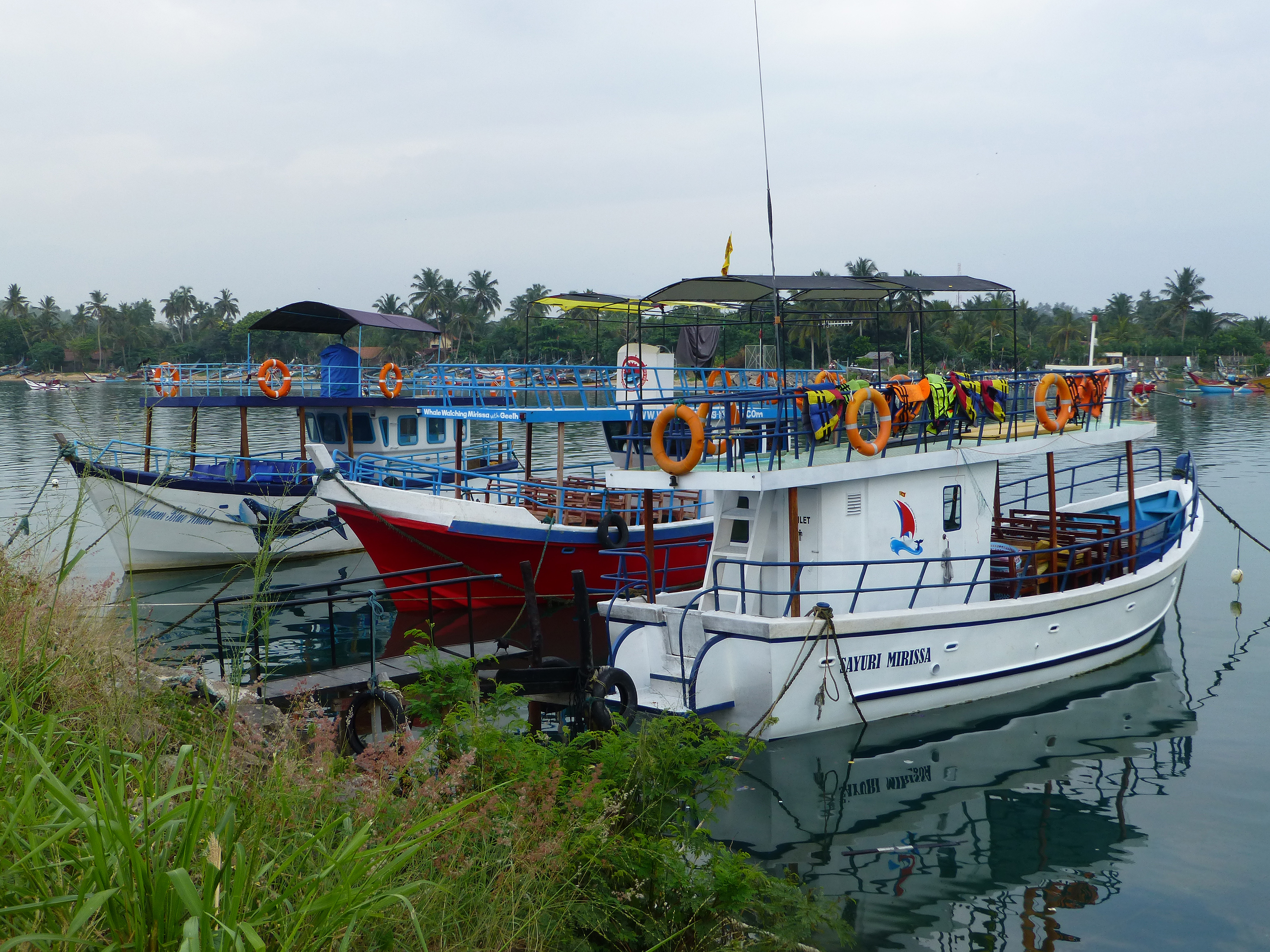
November is Sri Lanka's quietest pivot month. The southwest monsoon is over, the northeast monsoon is just beginning, and for roughly three weeks the island sits in a gap where the weather could go either way — and usually goes better than expected.
The east coast is shutting down. The south coast is waking up. The whales are back off Mirissa. The Cultural Triangle is green and quiet. And the prices are the lowest you will see until May next year.
The travellers who love November are the ones who understand it is two different months in one: early November is wet and transitional, late November is dry and beautiful. Plan for the second half and you get the best of both seasons.
Where the weather actually works in November
South coast. November is when the south coast starts to recover. The southwest monsoon officially ends in October, and by mid-November the sea around Galle, Mirissa, and Tangalle is calming down. It is not December-perfect yet — expect the occasional squall and some debris on the beaches — but the trend is unmistakably towards better conditions. Whale-watching boats resume from Mirissa harbour, which is the strongest signal that the season has turned. Read more at Is whale watching in Sri Lanka worth it? for what to expect on the water.
West coast. The west coast follows a similar pattern. Colombo, Negombo, and Bentota get improving weather through the month, though the sea stays unsettled into early December. The upside is that accommodation rates are at their lowest and the tourist crowds have not yet arrived. If you want to see the Galle Face Green without the Christmas crush, late November is your window.
East coast. The east coast closes in November. The northeast monsoon arrives, bringing rough seas, wind, and regular rain to Trincomalee, Nilaveli, Pasikudah, and Arugam Bay. Pigeon Island snorkelling stops. Surf at Arugam Bay becomes inconsistent. Most beachfront restaurants in Nilaveli shut or reduce hours. If you are planning an east coast trip, aim for October or wait until April.
Hill country. Ella, Nuwara Eliya, and Bandarawela sit in a weather pattern of their own. November brings mist, occasional rain, and temperatures that hover between 15–22°C. The views are not as clear as in January, but they are noticeably better than in October. Visit the Ella in November and December guide for the full picture of hill country conditions right now.
Cultural Triangle. Sigiriya, Dambulla, Anuradhapura, and Polonnaruwa get moderate rain in November — nothing like the south coast downpours, but enough to keep the landscape lush. Temperatures are pleasant, around 27–30°C, and the crowds are minimal. This is one of the best times to cycle Anuradhapura or hike Pidurangala without the queues.
North. Jaffna and Mannar experience the northeast monsoon in November, which means more rain than mid-year but nothing unmanageable. Jaffna’s dry season runs from March to September; November is the start of the wetter half of the year. If you are heading north, go early in the month.
What to do in November
Whale watching in Mirissa
The single biggest reason to visit the south coast in November is that the blue whales are back. The Mirissa whale-watching season runs from November through April, and the opening weeks are a sweet spot: the whales are plentiful, the boats are not yet crowded, and the prices are lower than peak-season rates. The boats leave at 6:00 AM from Mirissa harbour. The ride lasts 3-5 hours depending on where the whales are. Seasickness medication is not optional — take it an hour before departure regardless of how good a sailor you think you are.
Birdwatching at Bundala and Yala
November is prime time for migratory birds. Bundala National Park reaches its peak in November and December, with thousands of flamingos, pelicans, and migratory waders arriving from Siberia and northern Europe. Yala is also excellent for birding, though leopard sightings become harder as the park greens up after the rains. The safari park comparison can help you decide which park suits your November priorities.
Cultural Triangle on a budget
November is low season in the Cultural Triangle. Sigiriya and Dambulla are noticeably quieter than in July and August. Hotel rates drop, and you can often get the best rooms at mid-range hotels without booking weeks ahead. The downside is occasional rain, which makes the Sigiriya climb slippery — go early in the morning and wear proper shoes. Anuradhapura is best explored by bicycle on the dry mornings, checking the forecast for an afternoon window of clear weather.
Galle Fort without the crowds
Galle Fort in November is the closest you get to having it to yourself. The Christmas rush does not start until the second week of December, and the monsoon rains have stopped but the message has not spread yet. You can walk the ramparts at sunset, browse the boutiques, and eat at Ministry of Crab-backed restaurants without queuing. Read more at Galle Fort Hotels — What to Know Before You Book for accommodation tips.
Ella between the showers
Ella in November is quieter, greener, and cheaper than peak season. Little Adam’s Peak and Nine Arch Bridge are less crowded. The mist that rolls through the valley in the mornings creates exactly the moody mountain atmosphere that photographers hope for. The Ella November and December guide has specific advice on which trails are driest and which cafes stay open.
Packing tips for November
November requires the most versatile packing of any month in Sri Lanka because you could hit three different weather patterns in a single week.
- Rain gear. A lightweight rain jacket or poncho is essential. You will not need it every day, but when it comes, it can be heavy. An umbrella is fine for town but useless on a hiking trail.
- Layers for the hills. Ella and Nuwara Eliya can drop to 15°C at night. A fleece or light sweater makes a big difference.
- Sea-sickness meds. If you are doing the Mirissa whale watch, bring motion sickness tablets. The sea in November can still have a residual swell from the monsoon.
- Waterproof footwear. The Cultural Triangle and hill country trails can be muddy. Closed-toe shoes with good grip are better than sandals if you are doing any walking.
- Mosquito repellent. November rain means standing water, which means mosquitoes. Repellent with DEET is available locally but bring your own preferred brand.
- Sunscreen. The sun is still strong, especially on the south coast. SPF 50 is not optional.
Crowds vs quiet
November is the quietest month of the year on the south and west coasts. The peak-season crowds do not arrive until mid-December, and the last of the summer travellers have gone home. You will find empty tables at Galle Fort restaurants, available rooms at Mirissa beachfront hotels, and uncrowded trains on the Kandy-to-Ella line.
The Cultural Triangle is also quiet. Sigiriya and Anuradhapura see a fraction of the January and February crowds. Dambulla cave temple is visitable without the usual queue jostle.
The one place that gets busier in late November is Colombo, as the city gears up for Deepavali. The festival of lights brings crowds to Pettah, colour to the streets, and excellent food pop-ups across the city.
For a full comparison of how crowds and weather work across the year, see our breakdown at East Coast vs South Coast by month.
What's blooming, what's closed
Blooming. The south coast comes alive in November. After the monsoon, the beaches clean up, the water clears, and the restaurants and guesthouses that closed for the wet season reopen. The big winner is Mirissa, where the whale-watching restart signals the start of the high season.
Closing. The east coast effectively closes in November. Trincomalee’s whale-watching ends. Pigeon Island boat trips stop. Arugam Bay’s surf season is finished by mid-November. Most beach bars in Nilaveli and Pasikudah close or reduce to weekend-only hours.
Migrating. Thousands of migratory birds arrive at Bundala, Yala, and Kumana. If you are a birder, November is one of the two best months of the year (the other being January).
Deepavali. The festival of lights falls in October or November depending on the lunar calendar. It is celebrated across the island but most visibly in Colombo and the northern towns. Streets are decorated, sweets are everywhere, and many Tamil-owned businesses close for a day or two. It is a wonderful time to be in Sri Lanka but plan around the public holiday closures.
Sample 7-day November itinerary
If you have one week in November, route through the south and the Cultural Triangle. Skip the east coast entirely.
- Day 1: Arrive Negombo. Overnight.
- Day 2: Drive to Sigiriya. Climb Pidurangala in the afternoon. Overnight Sigiriya area.
- Day 3: Sigiriya Rock at dawn. Then Dambulla caves. Drive to Kandy for the evening temple visit.
- Day 4: Kandy to Ella train. Settle in, explore the town.
- Day 5: Ella. Little Adam’s Peak in the morning, Nine Arch in the afternoon.
- Day 6: Drive to Mirissa via Udawalawe for an afternoon safari. Overnight Mirissa.
- Day 7: 6:00 AM whale watch. Beach afternoon. Late drive to Colombo or Galle.
- Day 8: Departure.
For a more detailed look at south coast accommodation, see our south coast towns comparison.
The verdict
November is not the easiest month to travel Sri Lanka, but it is the most rewarding if you get the timing right. The country is essentially between seasons, which means you get low-season prices, uncrowded attractions, and the satisfaction of watching the south coast come back to life.
The east coast is a write-off. The south is improving by the day. The whales are back. The birds are arriving. The rain is easing. And the prices are as low as they get.
Go in the second half. Skip the east. Spend your time on the south coast, the hill country, and the Cultural Triangle. Bring a rain jacket. And book that whale watch.
You are also arriving at the front edge of the winter wave — November is when the European seasonal rush visibly builds toward its December–February peak, so lock in south-coast and hill-country stays before the prices climb.
Still weighing the calendar? If November’s south-rebound timing feels close but not quite right, October is the quieter, even-cheaper shoulder just before it, while December brings the high-season prices, crowds and crispest beaches — and January sits at the very peak. For the full picture across all twelve months — weather, prices and review-satisfaction by month — our month-by-month data ranking is the quickest way to lock the call.
Keep planning November
November flips the island back to the southwest. December is where that rebound peaks — high-season prices, crowds and the crispest beaches; if you are weighing the family Christmas–New Year window specifically, the Christmas and New Year guide has the date-by-date picture. Before booking flights, confirm exactly which coast is in season for your dates with the coast-by-coast dry-season explainer, and price the whole trip off the 2026 cost guide.
Have a specific question about your Sri Lanka trip?
Ask BYC at byc.lk — free, honest, no upsell. Ever.
Ask BYC Your Question →