Is Kalpitiya Worth Visiting? The Honest 2026 Answer From 2,982 Guest Reviews
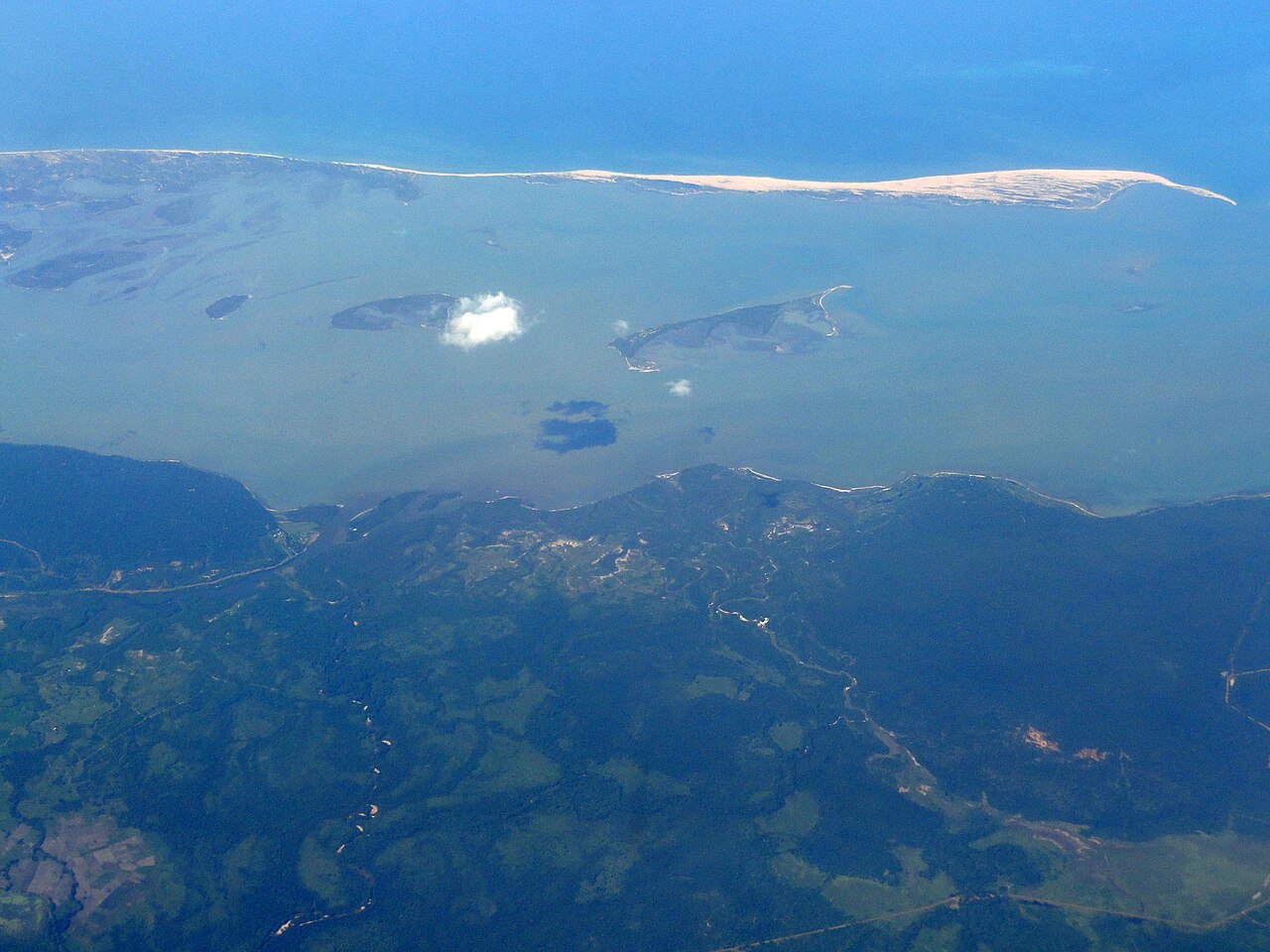
You are staring at a map of Sri Lanka’s northwest coast, and Kalpitiya looks like a mistake — a thin, windswept claw of sand and lagoon sticking out into the Indian Ocean, hours from the beach towns everyone else is booking. So you are asking the obvious question: is it actually worth the detour, or is this a kite-surfers’ in-joke that will leave a non-rider bored by day two?
We did not guess at the answer. We read 2,982 verified guest reviews of Kalpitiya properties, checked what people actually did with their days, and separated the kite crowd from everyone else. Here is the honest version.
Last updated: October 1, 2026.
The short answer
Yes — but only if you go for the right reason. Kalpitiya is a world-class kitesurfing destination and a genuinely lovely, unpolished lagoon-and-dolphin getaway, and it is a poor choice if what you want is a luxury beach resort or a nightlife scene.
The numbers back that split. Across 2,982 reviews of Kalpitiya stays, the average score is 8.72 out of 10, and 76.5% of every review — 2,282 of them — lands at 9 or 10. That is a strong, warm verdict. But the same corpus has a sharp edge: 308 reviews (10.3%) score below 7, and when you read them, they are almost never about the place — they are about people who booked it expecting the wrong thing. Kalpitiya delivers brilliantly on wind, water, sunsets and home cooking. It does not deliver on polish, nightlife or fine dining, and it never claims to.
What’s worth doing
Kalpitiya’s whole appeal is the water and the wind around it. Everything worth doing happens on or beside the lagoon.
- Kitesurfing — the reason the town exists. Kalpitiya is Sri Lanka’s undisputed kite capital, and it earns the title on the geography: a huge, shallow, flat lagoon that makes mistakes cheap and progress fast. Schools here are IKO-affiliated, most beginners stand up on the board within about three days, and lessons run from roughly US$55–70 an hour depending on season and group size. The wind arrives in two distinct seasons — a stronger southwest season (roughly May to October, 20–30 knots) and a calmer northeast season (roughly December to March, 15–22 knots). The winter season is the friendlier one for first-timers; the summer season is for riders chasing power.
- Dolphin watching — the best in the country, and it is not close. 107 reviews mention dolphins, and the trips run a few kilometres offshore into pods of hundreds of spinner dolphins, with bottlenose, Risso’s and humpback dolphins also regular, plus sperm whales in the deep water between November and April. Boats leave early — around 8am — before the afternoon wind chops the sea. A private boat for up to six people runs about US$40–55 for the whole boat, and you also pay a separate wildlife department ticket of roughly US$10 for adults. The best window is December to April.
- The lagoon itself, even if you never touch a kite. 204 reviews mention the lagoon, usually for its mirror-flat water at sunrise and the boat rides out to the sandbanks and mangrove channels. A lagoon boat trip through the fishing villages and out to a shallow sandbank is the single best half-day for a non-rider, and it costs a fraction of the kite gear you will not need.
- Wilpattu National Park — the quiet safari. Sri Lanka’s largest national park sits about 45 minutes inland, and it is the country’s leopard-and-sloth-bear park without the Yala crowds. A half-day jeep safari is the standard pairing with a Kalpitiya stay, and it is the one land-based activity that justifies the journey north on its own.
- Bar Reef Marine Sanctuary. One of the largest coral reefs in Sri Lankan waters, with snorkelling and diving from roughly November to April. Go early morning or late afternoon; the midday sun on open water is punishing.
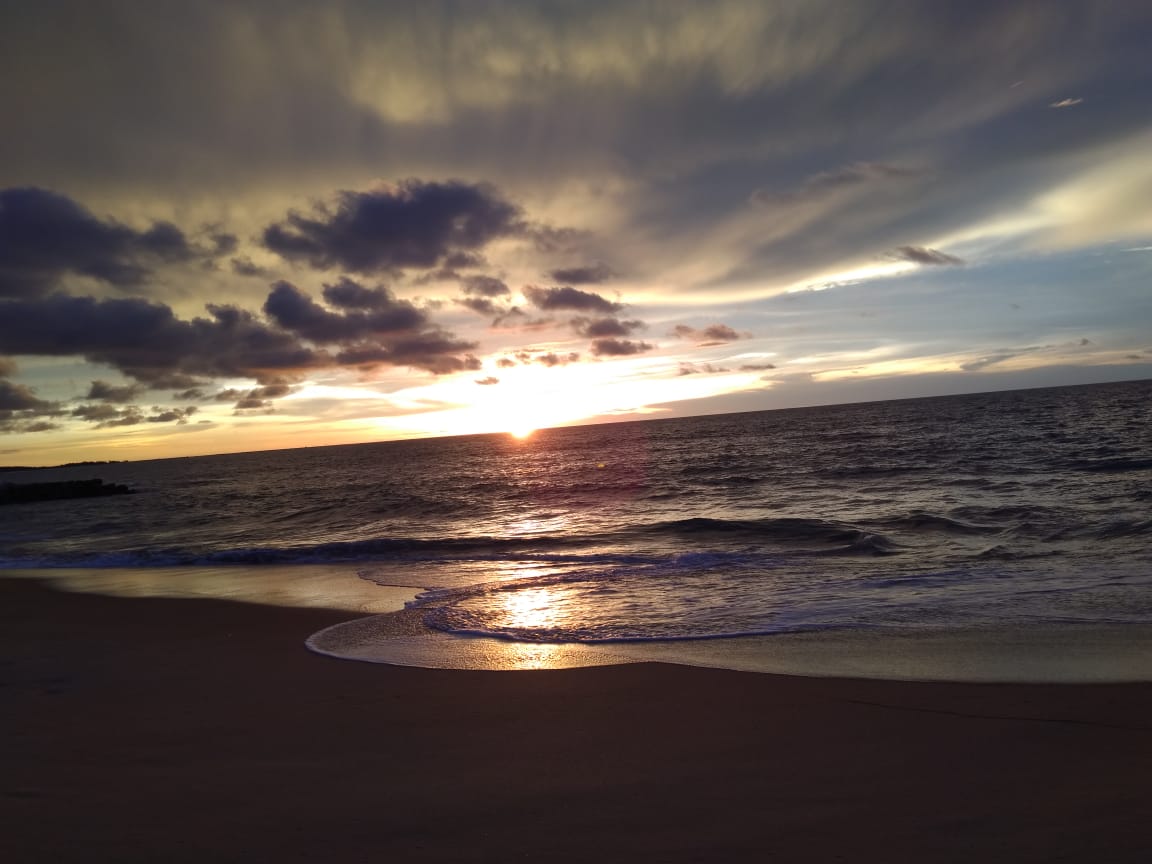
- Sunset on the dunes. 60 reviews mention sunsets, and the west-facing beach is the whole point — a walk out across the sand to watch the light drop into the ocean costs nothing and is, repeatedly, the thing people remember.
- The Dutch Fort. A crumbling 17th-century fort at the southern tip, quiet and unsigned. Worth an hour for the history and the view over the lagoon, but go in with low expectations — it is a ruin, not a museum.
Getting around
This is the part nobody warns you about properly. Kalpitiya is genuinely remote, and getting there is a commitment. The peninsula hangs off the mainland on a narrow, winding road, and the last stretch is slow.
- From Colombo by private car or van. Roughly three to three-and-a-half hours for the ~150 km, depending on traffic escaping the city. Expect US$60–90 for a private car one way, more for a van. This is the most common and most sensible option.
- From Bandaranaike International Airport. The airport is north of Colombo, which works in your favour — a direct transfer is around 3 to 3.5 hours and US$65–95. If you land late, sleep near the airport and travel in daylight; the final road is not one you want to meet for the first time at night.
- By public bus. The cheapest route is a bus from Colombo to Puttalam, then a second local bus or tuk-tuk down the peninsula to Kalpitiya. Total cost is a few dollars, but it takes four to five hours with a change, and luggage on a packed local bus is its own adventure. Fine for confident budget travellers, miserable for anyone else.
- Getting around once you are there. There is no real public transport on the peninsula. A tuk-tuk is the practical way to reach Wilpattu, the fort or a restaurant, and a half-day hire runs US$10–20. Most resorts will call one for you, or arrange their own transfer.
- What to avoid. Do not try to do Kalpitiya as a day trip from Colombo — the drive alone eats six hours. Do not rent a scooter in Colombo to ride up; take the transfer and hire locally if you need wheels. And do not book a “cheap” transfer through a roadside tout; agree the price and the vehicle type in writing with your accommodation before you arrive.
What to budget
Kalpitiya is mid-range for Sri Lanka — cheap by international kite-destination standards, not a budget backpacker town. A realistic per-person day:
- Accommodation. Small guesthouses and kite-camp rooms start around US$18–35 a night. Comfortable mid-range resorts with a pool: US$45–110. The best-reviewed lagoon-side properties sit in that middle band and often include breakfast and airport pickup. True luxury is scarce here — that is the honest limitation.
- Meals. This is where Kalpitiya punches above its weight. 683 reviews mention food, and the recurring theme is home-cooked rice and curry with vegetables from the garden. Local meals run US$2–5; a fresh seafood dinner US$10–20. Budget US$15–28 a day for eating well. Note the pattern in the reviews: Western breakfasts are limited — toast, jam, fruit — so do not book for the bacon, book for the curry.
- Activities. Kite lessons US$55–70/hour; a multi-day beginner course typically runs US$400–600. Kite gear rental (board and kite) around US$40–70 a day. Dolphin boat US$40–55 per boat plus the ~US$10 wildlife ticket. Wilpattu half-day safari US$40–70 per jeep plus park entry. Lagoon boat trip US$15–30. Snorkelling or diving trips from US$40.
- Transport. Airport or Colombo transfer US$60–95 one way; local tuk-tuk half-day US$10–20.
All in, a comfortable day — good mid-range room, three meals, one paid activity and a tuk-tuk or two — lands at roughly US$80–130 per person. A budget traveller skipping the kite school and eating local can hold the same day near US$35–50. If kitesurfing is the point of the trip, budget for lessons as your single biggest line item. See our 2026 Sri Lanka cost guide for how Kalpitiya fits a full island budget.
WATCH OUT FOR
These are the recurring patterns across 2,982 reviews. None of them is a reason to skip Kalpitiya — they are reasons to book it with your eyes open.
- Arriving in the wrong season and finding nothing open. The single most common disappointment. The kite schools wind down outside the two wind seasons, and in the dead of the southwest monsoon or a light June–September window the peninsula is quiet, some restaurants close, and the beach can be rough and unswimmable. Guests who came expecting a lively resort town in the off months wrote some of the lowest scores in the corpus. Check the season before you book, not after.
- Mosquitoes and insects are a genuine feature, not a footnote. 689 reviews — 23% of the whole corpus — mention mosquitoes, flies or ants. The lagoon environment breeds them. This is not a property fault, it is a peninsula fact. Bring strong repellent, pack long sleeves for dusk, and treat an open-air cabana bathroom as part of the deal.
- Renovation and maintenance lag. Several properties, including some at the higher price points, draw repeated notes about rooms that feel overdue for a refresh — tired fixtures, cold-water-only showers, missing power outlets, bathroom floors with no shower partition that flood. The photos are usually the best the room has ever looked. Read recent reviews and look at guest photos, not listing photos.
- Dinner is often late and inflexible. Several properties serve dinner around 8:30pm, sometimes earlier only on request, which is too late for families with young children or anyone wrecked after a day on the water. Ask the dinner time when you book, and if it does not suit you, ask whether it can be moved — many kitchens will, but only if you ask in advance.
- Outside dining is thin. Beyond the resort restaurants there are very few standalone cafes or eateries, and the peninsula has almost no nightlife. If you are staying a week and want variety, plan a couple of meals in Puttalam town or accept that you will eat where you sleep. Guests who expected a beach-town strip were the ones most likely to score the stay low.
- The “beach lounging” expectation. The west coast here is a windy, working-peninsula beach, not a calm swimmable strip for most of the year. If your holiday is lying on a towel in still water, this is not the beach for it — our best beach in Sri Lanka comparison covers where that holiday actually lives.
- Do not judge Kalpitiya from one night. The best-reviewed stays here are small, owner-run places, and they are the ones a rushed booking never finds. Give it a minimum of three nights — one for the boat or dolphin trip, one full kite or safari day, and one buffer day for wind or weather.
GOOD TO KNOW
- Season, properly understood. Kalpitiya has two wind seasons, which is unusual and genuinely useful: a stronger southwest season roughly May to October (20–30 knots, for experienced riders) and a calmer northeast season roughly December to March (15–22 knots, ideal for beginners and lessons). April and November are the shoulder months — light, variable wind, good for non-kite activities and a quieter peninsula. For a general holiday rather than a kite trip, December to April is the window, matching the wider monsoon and season guide.
- Three to four nights is the sweet spot. That gives you the dolphin or lagoon trip, a full day of your chosen activity, and a weather buffer. A single night is unpacking, eating and leaving; a full week only makes sense if you are kitesurfing hard.
- Book your kite school before your room. During peak wind season the good schools and their instructors fill first, and the best-reviewed lagoon-side properties fill right behind them. Sort the school, then book accommodation within walking or short-tuk distance of the lagoon.
- Book small properties direct. The family-run guesthouses and kite camps that dominate the review data are often cheaper on their own sites or by message than through an agent, and you get a straight answer about the room, the view and the dinner time.
- Bring cash. Card machines are patchy on the peninsula, ATMs are scarce, and the small kitchens that buy fresh fish often want cash. Carry enough for meals, tips and any activity you book on the spot.
- Pack for wind and insects, not for a resort. Reef-safe sunscreen, a strong repellent, a light long-sleeve layer for dusk, and a dry bag for boat days. If you are kiting, your own harness if you have one — rental sizes run out in peak season.
- Pair it with the north or Wilpattu, not the south. Kalpitiya sits on the northwest coast, so it belongs with Wilpattu, Anuradhapura and Puttalam rather than a south-coast beach hop. Our Wilpattu in two days guide covers the natural pairing.
- Set your expectations on food timing and pace. Breakfast is simple, dinner can be late, and service is unhurried. That is the rhythm here, and the guests who loved it most are the ones who slowed down to match it. Our getting around Sri Lanka guide covers the transport realities of a northwest detour.
WHERE TO STAY
Named properties below are drawn from verified guest review data — positive mentions only, each with the review-backed reason it earns its place.
- Anawasal — the highest-rated stay in the whole corpus, averaging 9.87 across 41 reviews. The recurring theme is calm, natural design and genuinely attentive hosting; it is the pick for a couple or solo traveller who wants quiet over a party scene, and it books up fast.
- Greenbury Kite Hostel & Restaurant — 9.55 from 100 reviews, and the most social-value option on the peninsula. Reviewers repeatedly name the food and the easy atmosphere, making it the strongest budget-to-mid pick for a solo kiter who wants company and a school on the doorstep.
- Elements Beach & Nature Resort — 9.50 from 138 reviews, and the one guests describe in the most glowing terms for families. Bungalows set among the dunes with direct beach access, staff that reviewers call exceptionally kind with children, and a dolphin trip the reviewers single out as a highlight. The best all-rounder if you are travelling with kids.
- Kitesurfing Lanka — 9.47 from 40 reviews, and the most social spot in town by a distance. The signature is communal dining — guests share meals at one big table — which makes it the natural base for solo riders who want to fall in with a crowd immediately.
- Villa Sethawadi Hotel and Kitesurf Centre — 9.25 from 118 reviews. A colonial-style property with pool views over the lagoon and an on-site kite school that reviewers name-check by instructor. The pick if you want a comfortable room and your lessons in the same place.
- Windy Waves Beach Nature Resort & Kite School — 9.09 from 279 reviews, the most-reviewed property in Kalpitiya and the most convenient for kiters: right on the beach, kite school on site, walk from room to water. The volume of reviews makes it the best-documented choice in town.
The bottom line
Kalpitiya is worth visiting — emphatically — as long as you go for the wind, the water and the sunsets rather than a manicured resort holiday. For kitesurfers it is one of Asia’s best-kept training grounds and the two-season wind makes it near year-round. For everyone else it is a raw, friendly, slightly scruffy lagoon peninsula where the dolphins show up in their hundreds, the rice and curry is cooked from the garden, and the sunset lands right in front of your room. Give it three nights, go in the right season, book a small place with a good recent review, and it will quietly become one of the stops you tell people about. Start with our full Kalpitiya destination guide, then pair it with Wilpattu in two days to build the northwest leg of your route.
Last updated: October 1, 2026. Costs, seasons and entry fees are 2026 figures and can change; confirm with your operator or accommodation before travel.
Have a specific question about your Sri Lanka trip?
Ask BYC at byc.lk — free, honest, no upsell. Ever.
Ask BYC Your Question →