Hela Bojun: Sri Lanka's women-run food courts, from Anuradhapura to the south coast
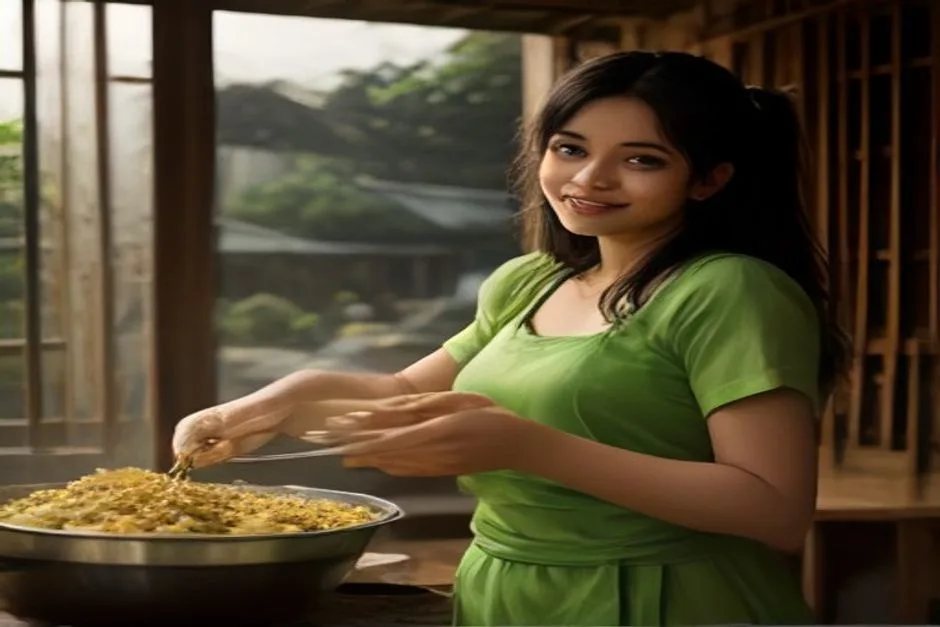
Hela Bojun Hala — Sinhala for “traditional food court” — is one of the best-value and most heart-warming food experiences in Sri Lanka. It is a government-backed network of eateries run by local women, serving the tagline “true Sri Lankan taste”. From the big Anuradhapura complex to the original Kandy hub, satellite stalls around the major cities, the Jaffna north and the southern coast, these are the places where you eat hoppers, string hoppers and undu wade exactly the way Sri Lankans do — at prices that are hard to beat anywhere on the island.
The short answer
Look for a cluster of women in green aprons behind open counters, and you will not be far from a Hela Bojun. These food courts sell authentic, largely vegetarian Sri Lankan staples — hoppers, string hoppers with curry, undu wade, undu walalu, pani walalu, kokis and more — cooked on-site from local ingredients. What began as a single stall in Gannoruwa, Kandy, in 2006 has grown into a country-wide network. The biggest and best-known landmark outlet sits in Anuradhapura (run under the Department of Agriculture), with a now-famous side venture on Kurunegala Road serving a vegetarian buffet on lotus leaves. Beyond that, you will find outlets around Kandy and Peradeniya, in Colombo and the cities, in hill-country Nuwara Eliya, in the far north under the Tamil sister brand Ammachi Unavagam, and down south in Matara and the coastal towns.
What Hela Bojun is and why it matters
Hela Bojun is more than a cheap lunch. It is a women’s-empowerment initiative set up by the Ministry of Agriculture with the provincial agriculture departments, aligned with the UN’s Biodiversity for Food and Nutrition project. The model is deliberately grassroots:
- It recruits local women who can already cook, trains them in hospitality, hygiene and entrepreneurship, and offers financial help to set up their own workstation.
- The women run the stalls themselves — taking orders, cooking, and keeping the profit after covering subsidised rent and utilities.
- Opportunity is shared fairly. At the busy Kandy centre, 36 women work rotating six-hour shifts so the income is spread around.
- It has scaled impressively. Since the first outlet opened in 2006, the programme has trained roughly 750 women entrepreneurs across more than 20 urban outlets.
In the north, the same mission runs under the Tamil brand Ammachi Unavagam (“grandma’s kitchen”), launched in 2017 to give livelihoods to war widows and women whose lives were disrupted by the civil war. During Sri Lanka’s food crisis, both brands were a lifeline — providing affordable, nutritious meals to low-income families and travellers alike.
What to order
This is street food done properly, with an emphasis on native millets, fruits, cereals and jaggery. The classics to try:
- Hoppers (appa) — the bowl-shaped rice-flour pancakes, cooked in a tiny wok; look for pani appa, the sweet honey-and-treacle version.
- String hoppers (idiappa) — steamed nests of rice noodles, served with keselmuwa (banana blossom) or polos (tender jackfruit) curry.
- Undu wade — crisp black-gram (ulundu) lentil fritters, the savoury snack of choice.
- Undu walalu — sweet, coiled, syrupy spirals, the dessert version of the same lentil. Not to be missed.
- Wade variety — masala wade and the newer cowpea wade are also common.
- Sweetmeats — pani walalu, konda kevum, mung kevum, narang kevum and kokis for an Avurudu-style sugar hit.
- Kola kenda — an ancient herbal porridge drink, and aasmi, a deep-fried rice-flour and coconut-milk specialty.
Everything is vegetarian-friendly, much of it organic, and cooked in front of you — you watch the kothu roti being chopped on a hot flat pan while you wait.
Where to find them (the map)
Hela Bojun outlets are spread across the island. The ones travellers most commonly hit:
- Anuradhapura — the big one. The Hela Bojun Hala under the Department of Agriculture sits on the Anuradhapura–Rambewa Highway (about 8.37°N, 80.42°E), a large, busy complex beloved by locals and pilgrims. The Hela Sathkaara Bojun Hala on Kurunegala Road is the one famous for its unique vegetarian buffet served on lotus leaves.
- Kandy region — the original hub. The first stall was at Gannoruwa in 2006; the Peradeniya outlets (including 216/1 High Level Rd) sit right near the botanic gardens and stay busy from morning to evening.
- Colombo and the cities. Outlets around the capital and major towns dish up the same fare, with vegan surprises like jackfruit burgers and ash-plantain fried rolls.
- Nuwara Eliya. Hill-country outlets serve up hoppers and string hoppers against the cold-morning backdrop of the tea country.
- Jaffna (Ammachi Unavagam). In the north, the sister brand serves authentic Tamil food — parippu vadai is the most popular snack, including at Keerimalai.
- The south. Newer outlets in Matara and along the southern coast, plus recent openings at Padiyathalawa, Wakare and Kanthale.
Map tip: Search “Hela Bojun” on Google Maps or near-place — most sites list coordinates and hours. For first-time visitors, the easiest stop is the Kandy–Peradeniya–Gannoruwa belt; the single most impressive is the Anuradhapura complex.
WATCH OUT FOR
- Cash is king. Hela Bojun stalls are low-tech and usually cash-only — carry small notes, especially in rural outlets.
- Go early for the full spread. Sweets and the most popular items like undu walalu can sell out by mid-afternoon; mornings and lunchtime have the best selection.
- Not every town has one. Coverage is improving but not universal — check for a Hela Bojun before assuming the town you are in has one, so you are not hunting on an empty stomach.
- Cleanliness and heat. Food is cooked fresh and hygienically, but stalls can get hot and crowded at peak times — bring water and be patient at lunch rush.
GOOD TO KNOW
- Prices are remarkably low. Travellers consistently describe walking away with a full bag of snacks “for very little” — it is among the cheapest authentic food in the country.
- You support women-run businesses. Every plate supports a local woman’s livelihood — the whole point of the scheme.
- Watch the cooking. The open-kitchen format is part of the experience; don’t just grab and go — watch a kothu roti being made.
- Great for vegetarians and vegans. Most of the menu is plant-based. The spice question is gentle at most outlets — you can often ask for milder versions.
The bottom line
Hela Bojun is where you get the real Sri Lankan food experience — hoppers, string hoppers, undu wade and undu walalu — cooked by the women who built the movement, at prices that feel like a bargain. The biggest flagship is in Anuradhapura, but the Kandy hub, the city outlets and the south-coast stalls all deliver the same honest, affordable, women-run taste. Build one into your itinerary — your stomach, your wallet and the women behind the counter will all thank you.
Have a specific question about your Sri Lanka trip?
Ask BYC at byc.lk — Free and honest. Some links are affiliate links and never change our advice.
Ask BYC Your Question →