November in Mirissa: Is the South Coast Beach Weather Worth It?
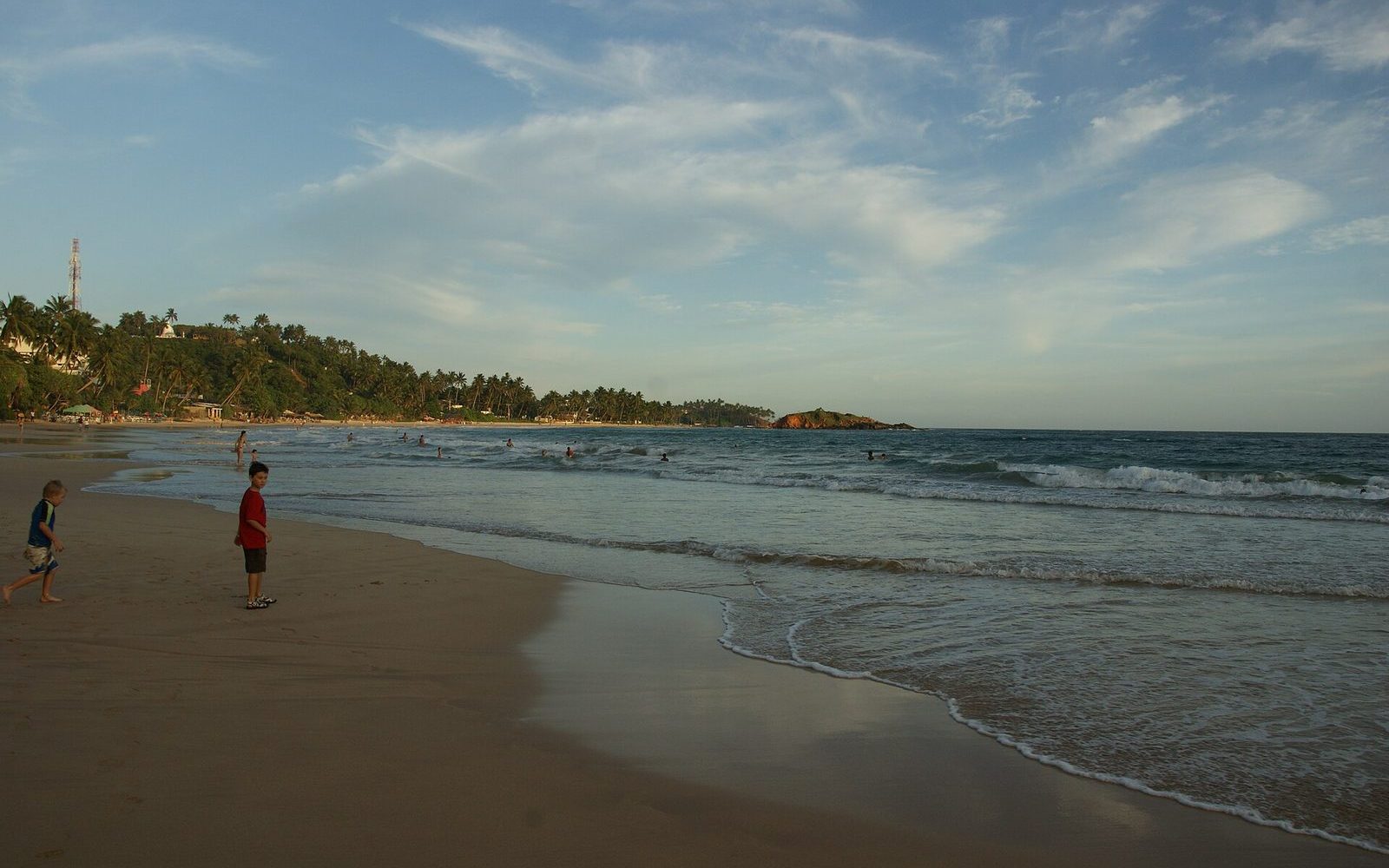
It is the first week of November and the sea at Mirissa is still arguing with itself. The monsoon that has been pushing swell into this bay since May has only just let go, so one morning the water rolls in grey and heavy and the next it flattens into the turquoise everyone came for. The beach bars are being repainted, the sunbeds are going back out, and the people already here are getting the south coast at roughly half of what it will cost in six weeks. That gap, between the monsoon ending and the Christmas crowd arriving, is what this month actually is.
So the question a lot of people are asking right now is simple: has the south coast reopened, or is November still a gamble? We looked at 17,845 guest reviews left on south-coast properties during 2026 and at what the weather and the prices actually do here across the month, and the answer is more useful than a simple yes.
The short answer
Yes, November works — but the month matters internally more than any other month on the south coast. The southwest monsoon formally ends around the middle of October and the sea settles through November, so the first ten days and the last ten days are genuinely different trips. The first week can hand you a rough, brown-watered bay and a cancelled boat trip; by the third week the water is clear, the sand has been rebuilt after the monsoon, and the swimming is what people imagine when they picture Mirissa. What you get for accepting the uncertainty is real: this is the last stretch of the year when a good guesthouse here is affordable, before rates climb through December into the January peak. Come for warmth, beach time, surf and a coast that is still half asleep — don't come specifically for whales, and don't expect a guarantee about the sea on any given day.
What's worth doing in November
Swim the main bay in the mornings. Mirissa's beach is a shallow curve that faces south-west, which is why it takes the monsoon head-on from May to September and why it calms so fast once the swell drops. In November the reliable window is early morning: the wind has not picked up, the water is glassier, and you are sharing it with a handful of people rather than the December crowd. The sea temperature sits around 28°C all month, so the only real question is the size of the swell, not the cold.
Walk out to Parrot Rock at low tide. The small rocky outcrop at the east end of the bay is joined to the beach at low water and is one of the few genuinely short walks here. November is a good month for it because the tide times move slowly and the path is not yet shoulder-to-shoulder. Check the tide before you go; people get caught out there every season because the return path fills faster than it empties.
Surf, and surf at your own level. The south coast's surf season overlaps the start of the tourist season, which is one of the reasons November is underrated. Mirissa's point is not a beginner break, but Weligama — 15 minutes east — is one of the friendliest learn-to-surf bays in Asia, and the Weligama side of the coast has the density of schools and board hire that makes it easy to start. Group lessons on this coast typically run US$15–25, board rental US$8–15 a day.
Take the short hop to Weligama and the fishing end of the coast. Mirissa itself is small — a bay, a headland, a handful of lanes. The value in a November stay is that you can move around the coast cheaply while it is quiet: Weligama for surf and a proper town, Matara for the bus and train interchange, and the little beaches in between that fill up in December and are empty now. Our comparison of Mirissa, Unawatuna and Weligama sets out which base suits which kind of traveller.
Watch the sun go down from Coconut Hill, once. It is the postcard shot, it is a five-minute tuk-tuk ride up the hill from the bay, and it costs nothing but the ride. In November the light is often spectacular because the monsoon's leftovers put structure in the sky. Go on an evening without a crowd, which in this month is most of them.
Use the month for the coast, not for whales. Blue whale season nominally opens in November, but the honest version is that November is the weakest month of it, the sea is the least settled, and trips get cancelled. If a whale trip is the centrepiece of your holiday rather than a bonus, this is the wrong month and the wrong expectation — the honest whale-watching guide explains which coast and which months actually deliver, and the review-data study of whale-trip pricing shows what the same morning costs depending on how you book.
Getting around
Mirissa sits about 150 km south of Colombo on the coastal road, with the Southern Expressway running inland of it. Prices below are the 2026 going rate and are approximate — treat them as a sanity check, not a quote.
From Colombo or the airport. An expressway bus toward Matara is the cheapest sensible option at roughly LKR 1,320–1,590 (about US$4.50–5.50) and drops you on the coast within a short tuk-tuk ride of the bay. A private car transfer from the airport runs US$80–110 and takes two and a half to three hours depending on traffic getting out of the city. The coastal train is the scenic option but slow — four to five hours — and not every service stops at the small Mirissa halt, so many travellers take it to Weligama a few kilometres east and finish by tuk-tuk.
Along the coast. Local buses between Mirissa, Weligama and Matara cost a few tens of rupees and run constantly until early evening. A tuk-tuk between Mirissa and Weligama is typically LKR 500–900 (US$1.70–3.00); to Matara, more like LKR 1,000–1,500. Within the bay itself, expect LKR 300–500 for a short hop and agree the price before you get in.
What to avoid. Two things, both specific to this coast. First, do not rent a scooter and ride it at dusk or after dark on the coastal road: the traffic mix of buses, tuk-tuks, motorbikes and pedestrians is unforgiving, and the November evenings get dark early. Second, do not accept a room up a steep unlit lane without asking how you will get up it at night — it is one of the most common regrets in the review data for this area, and it is avoidable with one question at booking.
What to budget
The point of November is that it prices like a shoulder month and improves like a high-season one, so the numbers below are meaningfully lower than December through March.
Accommodation. A clean, air-conditioned double in a well-reviewed guesthouse runs roughly US$30–60 a night in November. Design-led boutique rooms in Mirissa and Weligama sit around US$60–120. Beachfront resort rooms, which climb steeply in the peak, are more like US$120–200 now. This is the single biggest saving of the month; the same rooms commonly double or more by early January.
Meals. A local rice-and-curry lunch is US$2–4. A beachfront dinner of grilled fish with sides is US$8–15. Western cafe breakfasts are US$4–8. Mixing local and tourist places lands most people at US$12–25 a day on food, and eating where the people who live here eat is both cheaper and better.
Activities. Surf lessons US$15–25 a session, board hire US$8–15 a day, a whale trip US$45–80 if the sea allows it, a tuk-tuk to a nearby beach US$2–4. Budget US$10–25 a day if you are doing something most days.
Transport. Tuk-tuks and the odd bus within the coast come to US$3–8 a day typically. A week of getting around locally plus a transfer from Colombo is realistic at US$60–120.
Realistic total. A comfortable mid-range week — good guesthouse, eating well, surfing, a couple of trips — runs about US$500–700 per person. A tighter version with a fan room and local food is achievable at US$300–400. For the wider island picture, the 2026 cost guide covers every category, and the budget calculator will run your own numbers against these figures.
WATCH OUT FOR
The first week is not the last week. This is the single biggest mistake people make with a November booking. A stay from 1–7 November and a stay from 21–28 November are different products: leftover monsoon swell, rougher water, more rain and a higher chance of a cancelled boat trip early on, versus a settled, clear, swimmable bay late. If your dates are flexible, aim for the back half of the month and you get most of December's conditions at November's price.
Humidity and short, heavy rain. November is warm and humid, and the rain tends to arrive as a hard afternoon or overnight downpour rather than an all-day drizzle. It rarely ruins a day, but it does mean a room with working air conditioning and decent ventilation matters far more than it would in January. If a listing only offers a fan, read the recent low reviews for heat complaints before you commit.
Rooms that are not what the photographs show. In the 2026 review data for this coast, the most consistent cause of a bad stay is not the location, the bay or the beach — it is the room differing from what was booked, or a booking being cancelled very close to arrival. Read the handful of low-scored recent reviews for a property rather than the average, and prefer places that answer messages before you pay.
A hill between you and the beach. Parts of Mirissa sit up slope, and a few lanes are too steep for a car and unattractive to tuk-tuk drivers after dark. A view can be worth it, but ask the property directly how the last stretch works and whether they arrange transport, especially if you arrive late. One guest review described exactly this: a genuinely beautiful view, reached up a road nobody wanted to drive at night.
Boats that sail when they shouldn't. In the shoulder weeks around the start of the whale season, sea conditions are marginal and some operators push trips out regardless. If the harbour is running small-craft warnings, take that as the answer rather than shopping for someone willing to go.
Assuming the whole island behaves the same in November. It does not. The south and west coasts are drying out; the north and east are entering their own monsoon. A single "Sri Lanka in November" forecast will be wrong for half the island, so plan the coast first and the island second — the full November guide breaks it down region by region.
GOOD TO KNOW
Book late-ish, not last-minute. November has enough availability that you can book a week or two ahead and still get a good room at a fair price, which also means you can wait to see how the sea settles before locking in a boat trip. The exception is the last week of the month, when rates begin their climb toward December.
Ask about the beach, not just the room. The most useful question to a guesthouse in November is whether the bay is swimmable right now and which end people are using. Hosts here know the state of the water day by day, and their answer is more reliable than any forecast.
Homestays and small guesthouses outperform the big beachfront properties in the data. Across Mirissa's 2026 reviews, the properties scoring 9.5 and above are overwhelmingly small, owner-run places, while several of the large beachfront resorts with the most reviews of all sit in the 7s. You are paying for scale and a pool at those, not for a better stay. The homestay comparison covers why this gap is so wide on this coast.
Cash still matters. Larger hotels and nicer restaurants take cards, but guesthouses, tuk-tuks, surf schools and beach shacks are frequently cash or charge a fee for cards. Draw rupees in Matara or Galle rather than relying on the one or two machines in the village, which run out on busy days — the cash guide sets out how much to carry.
Poya days change the atmosphere. Full-moon days are dry days island-wide, with no alcohol sold at most places. It is worth knowing the date before you plan a big beach-bar evening.
WHERE TO STAY
Every property below is drawn from the review corpus, and each recommendation is tied to a specific thing guests actually reported — not a general claim of quality. Scores are 2026 guest-review averages.
The Secret Guesthouse (Mirissa, 9.72 from 116 reviews in 2026). For the traveller who wants quiet and a proper swim rather than a bar scene. Guests repeatedly describe a garden setting that is peaceful while still a short walk from the beach and the restaurants, with a pool and warm, attentive staff — one guest specifically noted being allowed to keep using the common areas after checkout before an evening flight.
NiiRA (Mirissa, 9.72 from 159 reviews). The most consistent option in the data. 95% of its 2026 reviews score 9 or 10 and only three of 159 fall at 6 or below — the highest share of excellent reviews of any property here with a comparable sample. A good pick if you would rather not gamble on a room in a shoulder month.
Peacock Villa (Mirissa, 9.69 from 122 reviews, no review at 6 or below). Guests describe a beautiful, comfortable room set in a quiet garden five minutes from the beach, with a pool and a host who greets arrivals with an iced coffee. The zero-low-review record across its 2026 sample is unusual and worth something in a month when weather is the variable.
MIRISSA Reef Serenity (Mirissa, 9.23 from 117 reviews). The practical choice for a whale-season start: guests note it is close to the wharf the boats leave from and to a snorkelling spot where turtles are seen, with clean, spacious, air-conditioned rooms and a desk — which matters if you are working part of the week.
KOMOREBI Weligama (Weligama, 9.40 from 285 reviews). Fifteen minutes east, for surfers and anyone who wants a town rather than a village. A design-led boutique hotel a short walk from the beginner-friendly bay, with a Japanese-Sri Lankan kitchen guests single out. November is the start of the surf window on this coast, so the location does real work here.
If you are still deciding between the south coast and somewhere further north, Mirissa vs Unawatuna vs Weligama and the south-coast towns comparison both look at the same coast from a different angle.
The bottom line
November is the south coast's quiet reopening — not its best month, but the one where you get most of the experience for a fraction of the January price. Bring flexibility about the sea rather than a fixed plan for it, aim for the back half of the month if you can choose, and book a small, well-reviewed guesthouse instead of a big beachfront name. Do that and Mirissa hands you warm water, empty sand and long evenings at exactly the point in the year when this coast feels like it is yours.
Trying to fit a south-coast week into your dates? Ask BYC at byc.lk — free, and honest about the trade-offs. Some links are affiliate links and never change our advice.
Keep planning around it
If November is your month, check what the weather does across the whole island in November, see how the south coast sits against the east coast month by month, and read which beach the review data ranks highest before you commit to a base. Booking later in the season? December is when the same rooms get expensive.
Data: BYC.lk analysis of 17,845 verified guest reviews of south-coast properties (Mirissa, Weligama, Unawatuna, Tangalle) dated 2026, plus 6,526 Mirissa reviews from 2026; weather and transport pricing reflect published 2026 rates and current conditions. Prices are indicative and change with season and exchange rate.
Have a specific question about your Sri Lanka trip?
Ask BYC at byc.lk — Free and honest. Some links are affiliate links and never change our advice.
Ask BYC Your Question →