Is Colombo Worth Visiting? What 33,196 Real Guest Reviews Reveal (2026)
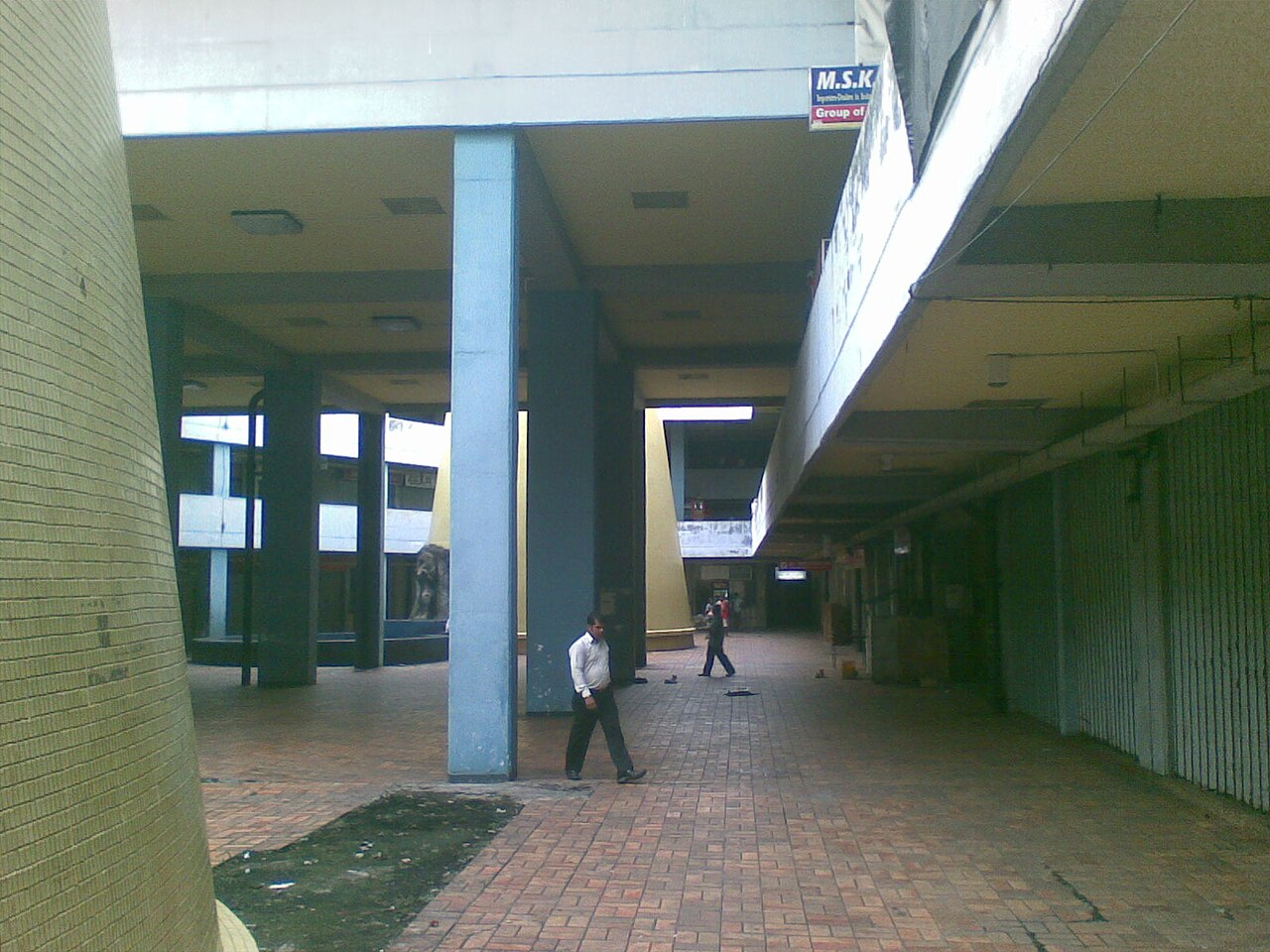
It is the first thing almost every traveller sees in Sri Lanka and usually the first thing they try to leave. You land at the airport, you have a night or two before the beaches or the hill country, and someone tells you Colombo is just traffic and business hotels. The city has one international airport, the country's biggest rail hub and its deepest concentration of restaurants, galleries and colonial architecture — and yet it also carries the lowest guest-review score of any destination on the island. Whether to give it a day, or wave it goodbye from the window of a bus, is one of the defining calls of a first Sri Lanka trip.
The short answer
Yes — but treat Colombo as a one-day city, not a destination, and you will be glad you did. It is worth a single unhurried day on the way in or out, not three nights in the middle of your beach time. The numbers behind that verdict come from our own corpus: across 33,196 reviews from Colombo properties, guests score the city 8.26 out of 10 — genuinely the lowest of any major destination we track, and a clear step below Sigiriya (9.04), Ella (8.82) and the south-coast towns (8.57–8.88). Read that carefully, though: 8.26 is still a solid score. People do not hate Colombo. They simply rate it slightly below the rest of the country, and the reviews say exactly why — noise, traffic and the feeling that the city is a launchpad rather than the holiday. Give it one well-planned day, see what its fans see, and move on.
What's worth doing
- Walk the Pettah market early. Colombo's old bazaar district is the city's most alive hour. Go before 10am, before the heat peak, and wander the lanes of textiles, spices, brassware and phone cases. It is loud, dense and utterly real — the opposite of a resort. Bring small notes, leave valuables at your hotel, and bargain as a matter of course. The Pettah floating market along the canal is the more photogenic, easier-going version if the main bazaar feels overwhelming.
- See Gangaramaya Temple and its lake shrine. The working temple beside Beira Lake is a genuine slice of living Buddhism — a jumble of statues, offerings and courtyards — and it anchors the city's spiritual side. Combine it with the Seema Malaka meditation island designed by Geoffrey Bawa, which floats just offshore and is one of the most serene spots in Colombo.
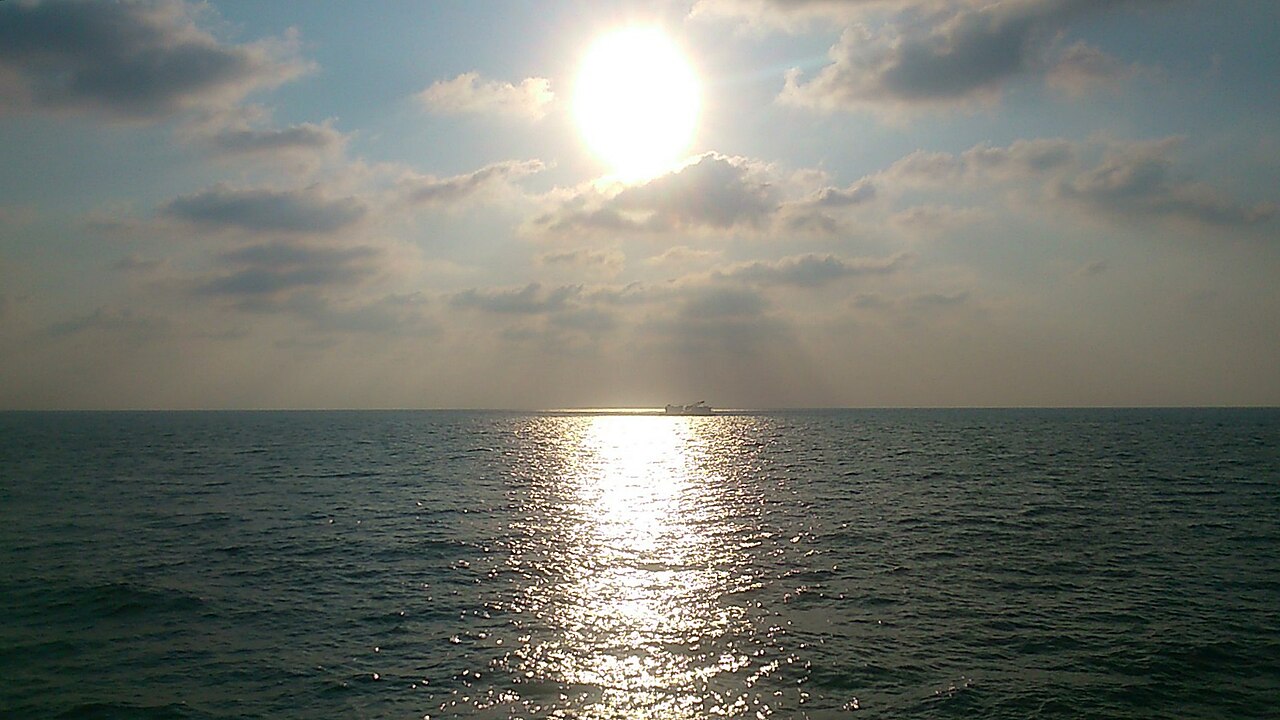
- Take in Galle Face Green at sunset. The long seafront promenade is where Colombo actually relaxes: families, kites, food carts and a sea breeze after the day's heat. Arrive an hour before sunset, buy something from a street vendor, and watch the sky over the Indian Ocean. It is the single easiest place to like the city.
- Eat a proper Sri Lankan meal. Colombo is the best place on the island for a serious food day — rice and curry, hoppers, kottu, and a growing wave of modern Sri Lankan kitchens. Our guide to women-run food courts and our spice guide will point you at the food worth the detour.
- Look at the architecture. The Fort district and Cinnamon Gardens hold some of the finest colonial and modernist buildings in South Asia, including Geoffrey Bawa's own home, now a museum. If design interests you at all, this is a half-day on its own, best done with a tuk-tuk on standby.
- Browse a gallery or two. Colombo has quietly become the island's art capital, with commercial galleries and the national museum filling a rainy afternoon without any need to leave the city.
- Shop before the beaches. Batik, handloom, tea, spices and gems are all easiest to buy here, and the city has the country's best range of quality souvenirs in one place — useful if you would rather not hunt for gifts on the last morning of your trip.
Getting around
Colombo is a city where the transport decision defines your day. It is 35km from the airport and spreads along the coast, and its traffic is genuinely heavy in the middle of the day.
Airport to the city. The airport publishes its own fixed taxi rate card, which is the single most useful money fact about Colombo: an air-conditioned airport taxi to Fort, Kollupitiya, Bambalapitiya or Cinnamon Gardens is a set 8,100 LKR (about $25), to Wellawatta 8,640 LKR, and to the inner suburbs around Borella and Maradana about 7,884 LKR. You pay at the counter in the arrivals lobby and are assigned a car — no haggling, no surge. The public route 187 air-conditioned bus runs to Colombo Fort on the expressway for around 325 LKR (about $1), takes roughly 50 minutes, and runs around the clock; there is a small baggage surcharge for bags over 23kg. Ride-hailing apps also work from the airport, but their price moves with demand and they are not always cheaper than the fixed counter rate — open the app and compare before you decide. The expressway toll from the airport is about 400 LKR, which pre-booked transfers normally include and app rides may not.
Around the city. Use PickMe or a metered tuk-tuk. Short hops within central Colombo are typically 300–600 LKR ($1–2), and a cross-town ride rarely exceeds 1,500 LKR (under $5). Tuk-tuks are the fastest way through congestion, and app-hailed ones remove the negotiation. Agree the price or insist on the meter before you get in when hailing on the street. The commuter rail line along the coast is dirt cheap and surprisingly scenic, but it is for locals' commuting, not sightseeing — use it only if you are heading out of the city.
What to avoid. Do not try to walk between the main sights in the midday heat; Colombo's distances are deceiving and the pavements are patchy. Do not assume a hotel in the suburbs means a quick trip downtown. And do not plan a tight airport run in the 4–7pm peak — leave a generous buffer before a flight.
What to budget
Colombo prices are the island's highest for accommodation but the same or lower for food and transport. Here is an honest day:
- Accommodation: $18–35 for a good guesthouse or mid-range room, $70–130 for a four-star city hotel, $150+ for the international names. Our best-value stays under $30 guide proves how far a modest budget stretches here.
- Meals: $2–4 for a local rice-and-curry lunch or a plate of hoppers from a street stall, $6–12 for a sit-down restaurant, $25+ for the city's fine-dining rooms. Our fine-dining guide covers the top end.
- Activities: $3–6 for the temple and museum entries, $10–20 for a half-day guided city tour or a tuk-tuk tour, $30–60 for a car and driver for the day.
- Transport: $1–5 for a day of city tuk-tuk hops, or $25 for the airport transfer.
- Daily total: roughly $35–60 per person for a comfortable city day including a couple of sights and one proper meal, and $80–150 if you want a four-star room and a fine-dining dinner. See our 2026 cost guide to slot Colombo into a full-trip budget.
WATCH OUT FOR
The city scores lowest for a reason — noise and traffic top the list. Across the review corpus, the recurring gripes about Colombo are constant background noise, heavy traffic and the sense that the experience is less relaxing than the coast. Choose a quiet, well-located property in Colombo 3, 5 or 7 rather than a cheap room on a main road, and the same day that frustrates other travellers becomes genuinely enjoyable. Reviews of the calm central properties repeatedly single out their quiet side streets as a reason the stay worked.
Street-level bargaining is normal, but know the fair range. Tuk-tuk drivers who approach you at the airport, at Galle Face or at hotel entrances will quote a tourist price. The app rate is your reference point; anything more than roughly double it is a negotiation, not a fare.
Not every "city tour" is a tour. Some packages pad the day with shopping stops and commission-earning spice or gem "showrooms." Ask exactly what is included and where the stops are before you commit, and prefer a driver you have agreed an itinerary and price with up front. Our trustworthy-driver guide explains how to do this.
Card readers work in the city, but carry cash for the street. Hotels, restaurants and app taxis take cards; markets, tuk-tuks and food stalls do not. Keep smaller notes on you so you are not the person holding a 5,000-rupee note for a 200-rupee coconut. Our how-much-cash guide and the pay-by-card reality check have the detail.
Do not over-schedule. The most common Colombo regret is planning three sights across opposite sides of the city for the same afternoon. Pick one area — Fort and Pettah, or Cinnamon Gardens and the lake — and do that properly.
GOOD TO KNOW
Timing is everything in Colombo. The morning (roughly 7–10am) is the only comfortable window for walking the market districts; the middle of the day is best spent indoors over a long lunch or in a gallery; and the late afternoon and sunset belong to Galle Face Green. If you have one day, structure it exactly that way and you will see the city at its best three times over.
Position matters more here than in any other Sri Lankan destination. Colombo 3 (Kollupitiya), Colombo 5 and Colombo 7 (Cinnamon Gardens) put you within easy reach of the seafront, restaurants and the temple district, and they are the areas guests praise most. A property near Galle Face or in Cinnamon Gardens turns a scattered day into a walkable one.
If you are using Colombo as a transit night, remember it is not beside the airport. The airport is at Katunayake, 35km north, and Negombo — the beach town closest to the terminal — is a genuinely good option for a final night before an early flight. If you would rather sleep near the coast than downtown, our Negombo one-night guide and the Negombo booking guide are the ones to read first. Conversely, if you are heading straight from the airport to the hill country, our airport-to-Kandy route guide saves you a wasted downtown detour.
Book accommodation a little ahead in December and January, when the city fills with travellers passing through on peak-season itineraries and hotel rates climb noticeably. The rest of the year you can book late and still find good value, especially in the boutique and guesthouse tier.
Finally, if you enjoy architecture, food and city life, one day is not enough — two is the honest figure. If you came for beaches, tea plantations and wildlife, one day is plenty.
WHERE TO STAY
The single biggest variable in whether Colombo works for you is where you sleep. The city's strongest-reviewed properties are not its biggest hotels; they are quiet, well-placed small properties and a handful of seafront names that get the fundamentals right.
- Urban Bliss Studio — 9.76/10 across 115 reviews. Guests repeatedly single out the homemade breakfast — pancakes, string hoppers, fruit, sambal and dhal, different each morning — as the reason the stay felt special, and describe the property as "an oasis in Colombo." The owners' suggestions for onward travel and nearby restaurants come up again and again.
- Aathma Colombo House — 9.65/10 across 318 reviews. A pool that guests describe as "amazing," looking out over the water, plus fully air-conditioned rooms and a gated, secure setup that reviewers with families and couples mention approvingly. It earns its score on comfort and calm.
- Marino Beach Colombo — 9.15/10 across a large 2,972 reviews. The seafront city hotel with the biggest review base in town, praised for its "fab pool," "amazing breakfast" and spacious rooms with partial sea views at sunset. Choose it if you want a full-service hotel position on the coast road with a rooftop pool.
- Sayura House — 9.05/10 across 460 reviews. A guesthouse whose reviews are dominated by the warmth of its staff and owner and by its tasty breakfast; one guest simply called it "the best place to stay in Colombo." Good value, friendly, and easy to like.
- Jetwing Colombo Seven — 8.91/10 across 476 reviews. A quiet, clean property in Colombo 7 that guests describe as "very calm," with a pool area and rooftop restaurant that come in for consistent praise and a location close to most of the city's tourist areas.
Whichever you pick, cross-check the location against your plan: a property in Cinnamon Gardens or Kollupitiya makes a one-day Colombo itinerary walkable, while a cheaper suburban room can add an hour of traffic to everything. Our broader quiet-vs-crowded stay guide explains how to read review data for that trade-off.
The bottom line
Colombo is worth exactly one well-planned day — and if you give it that, it rewards you. Its guest reviews sit lower than the rest of the island for honest reasons: the traffic, the noise, and the fact that most people are only passing through. But the market at Pettah, the temple on the lake, the sunset over Galle Face and a serious Sri Lankan meal are a genuine introduction to the country, not a waiting room. Plan one day around those four things, sleep somewhere quiet and central, and you will land on the beaches already understanding the island you came to see — and glad you stopped.
Method: 33,196 guest reviews from Colombo properties, drawn from our 353,633-review Sri Lanka corpus spanning 1,760 properties, scored out of 10. Property scores use only properties with 80+ reviews.
Have a specific question about your Sri Lanka trip?
Ask BYC at byc.lk — free, honest, no upsell. Ever.
Ask BYC Your Question →